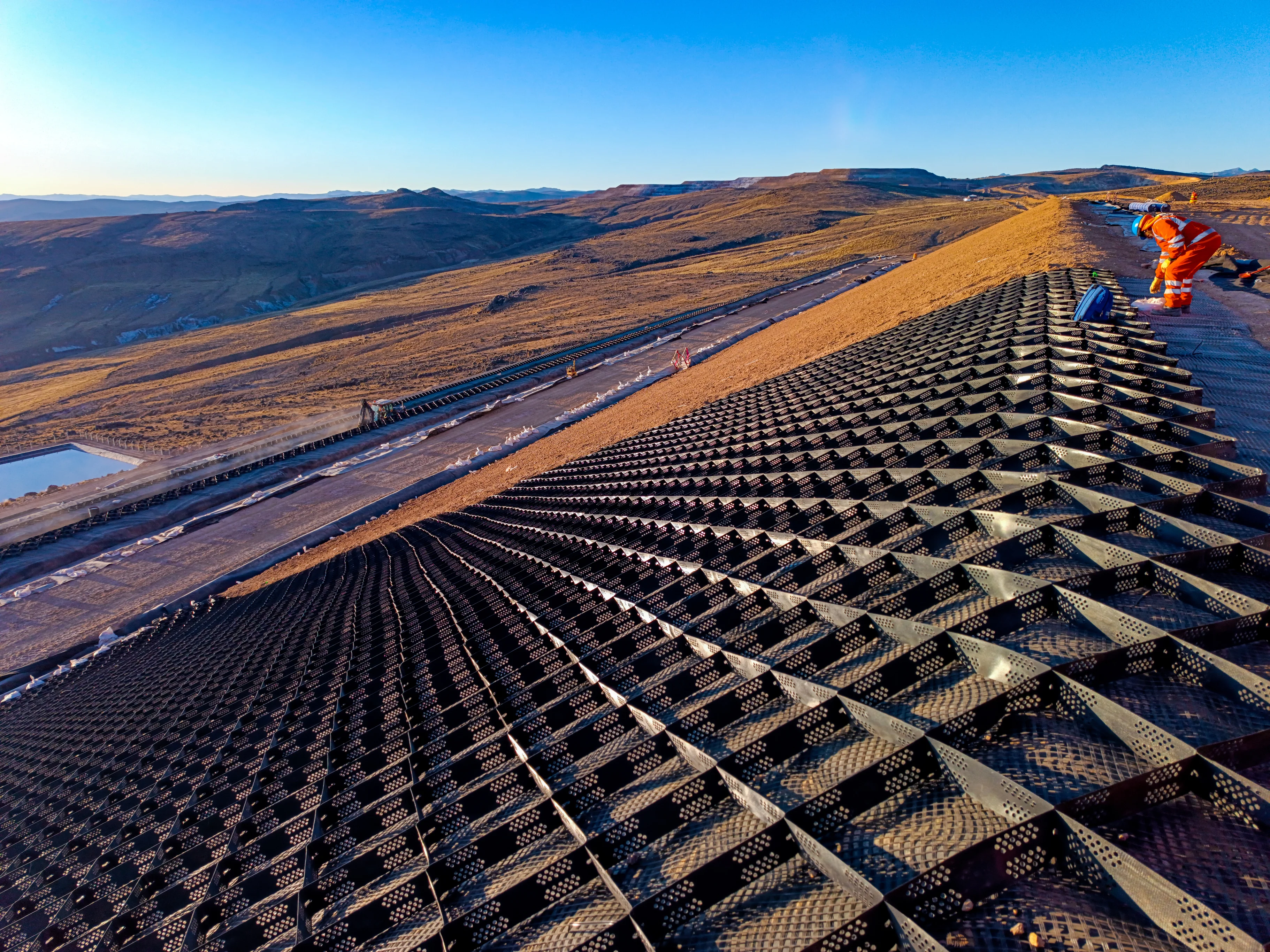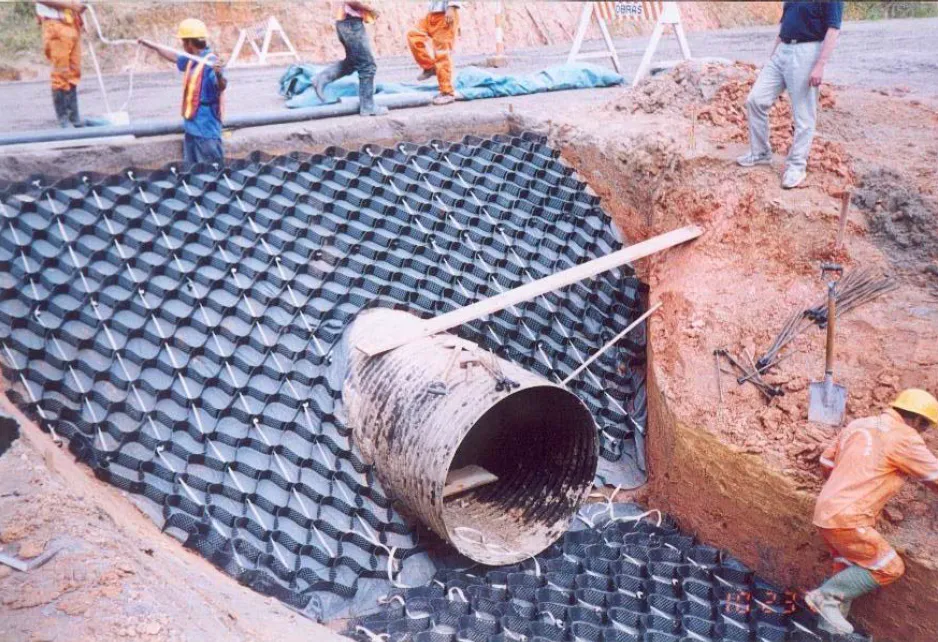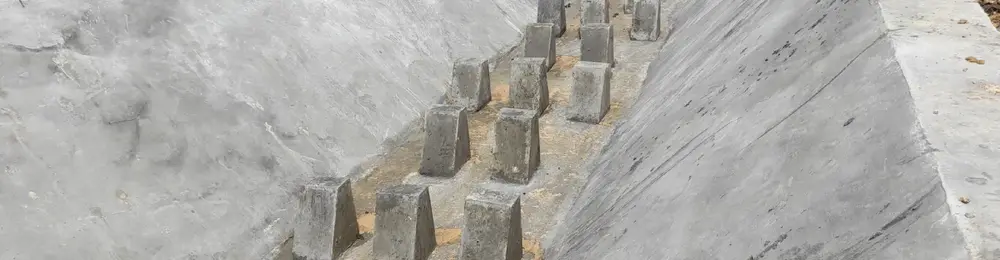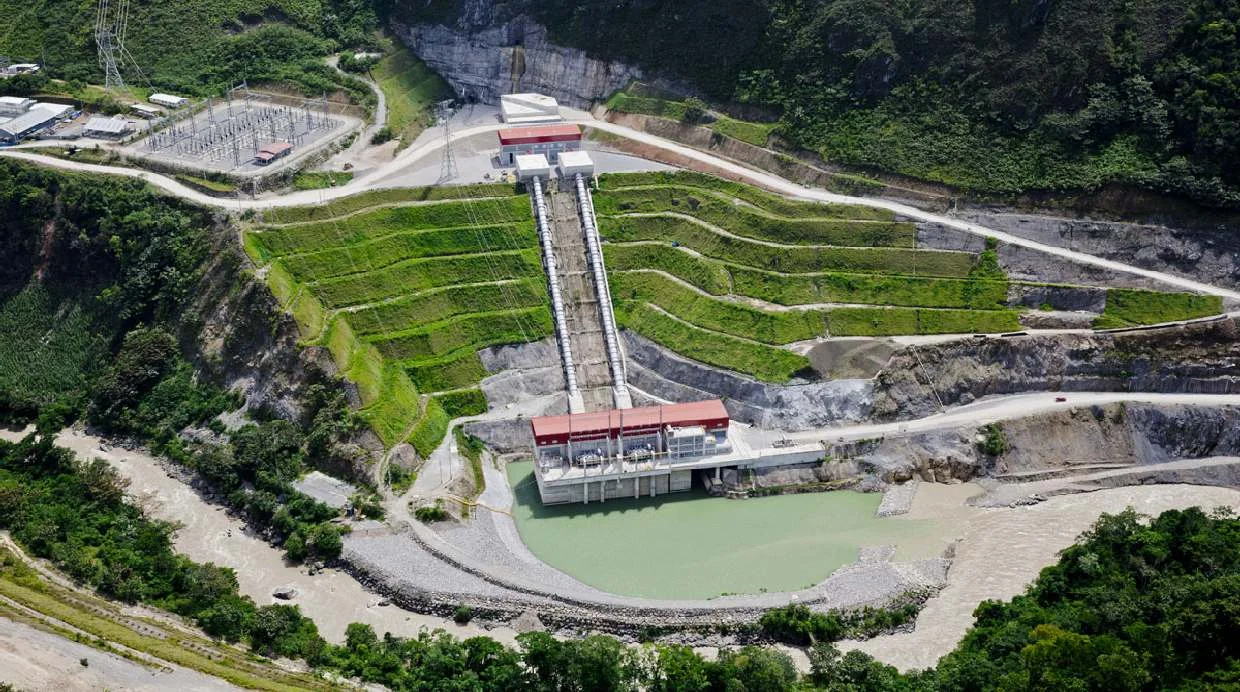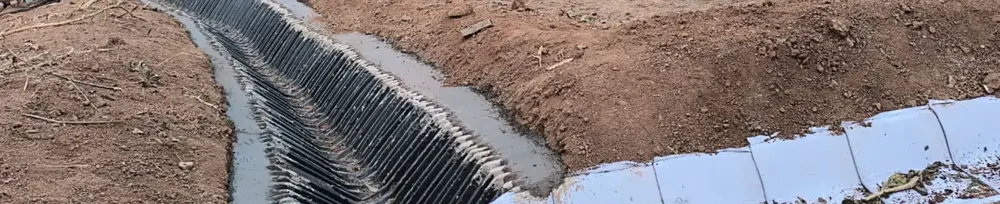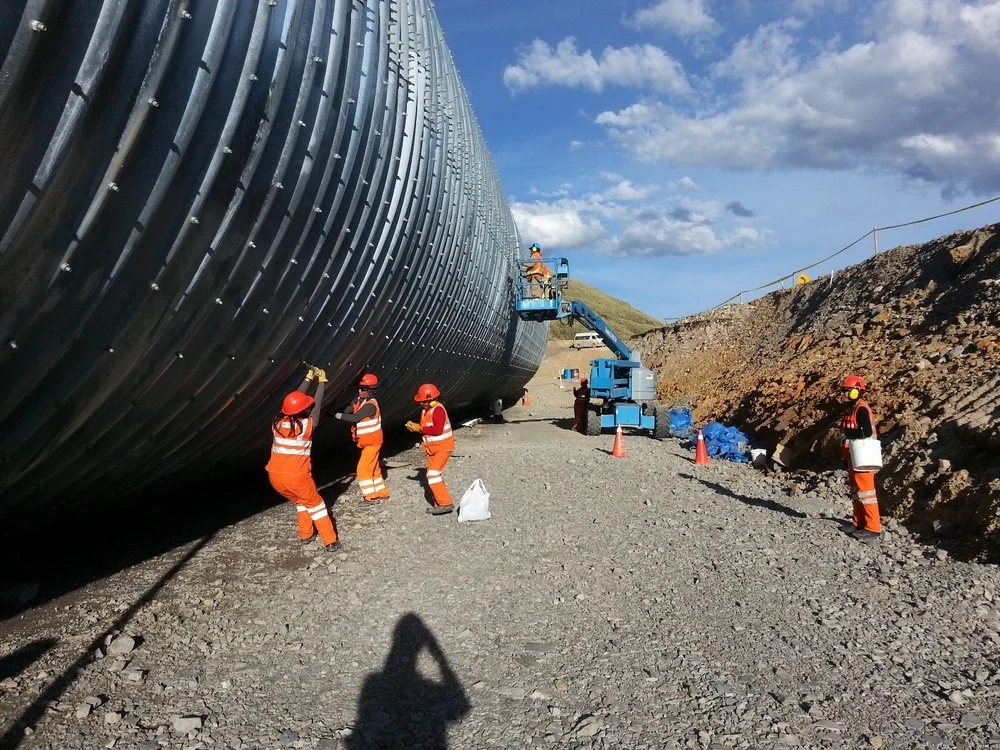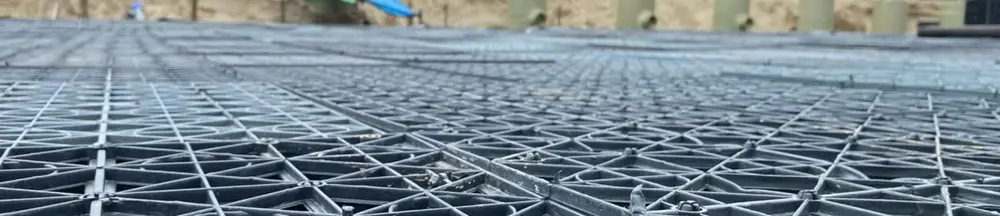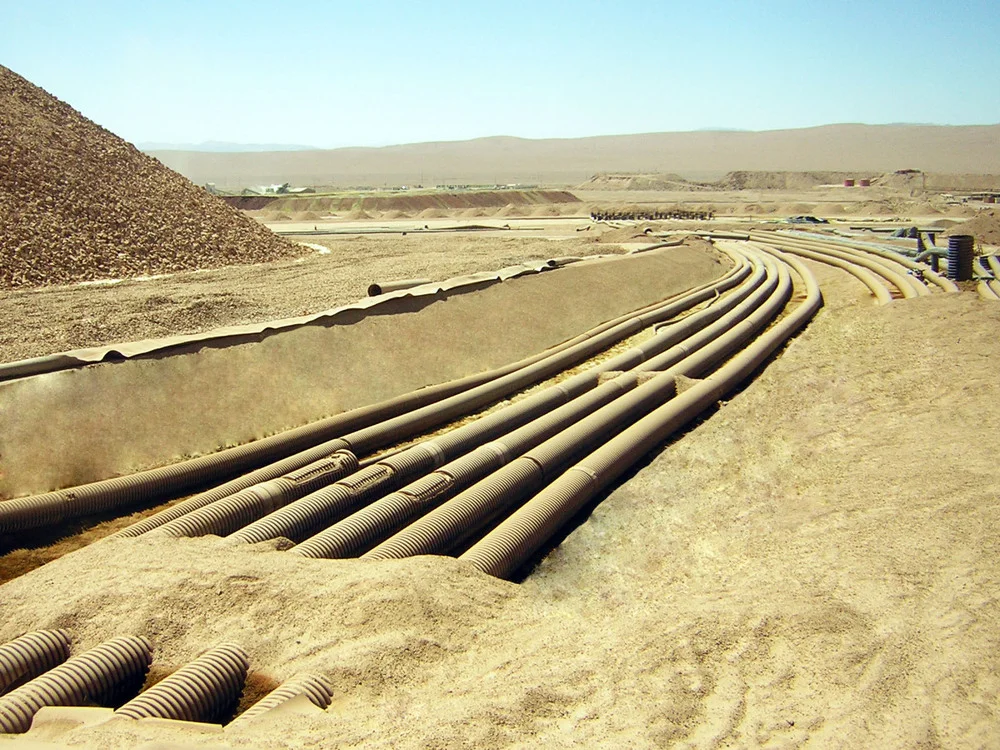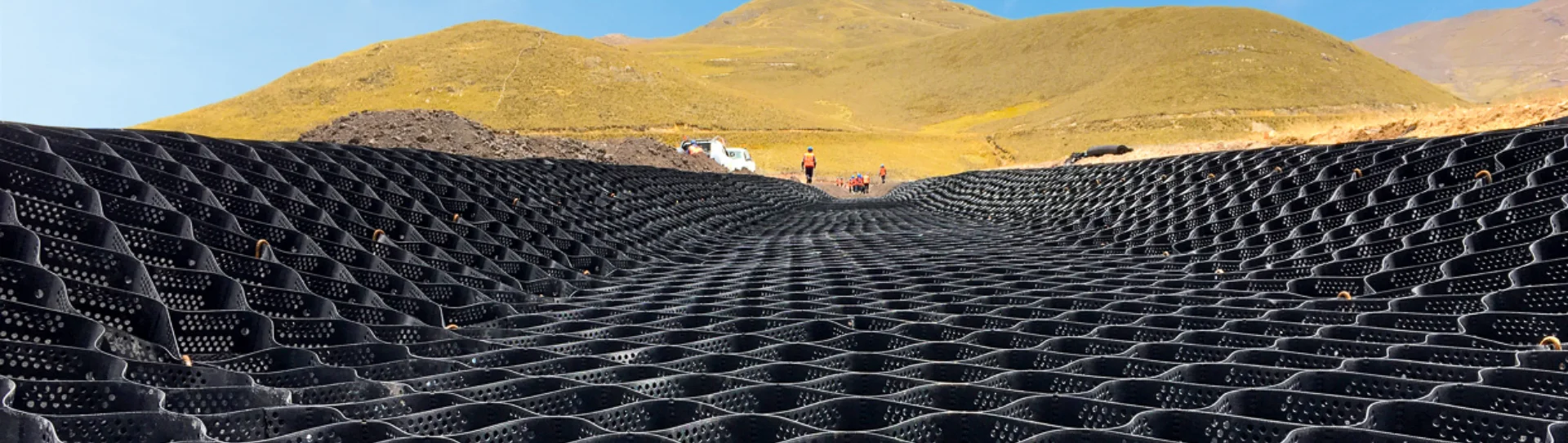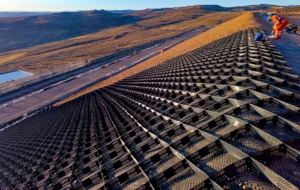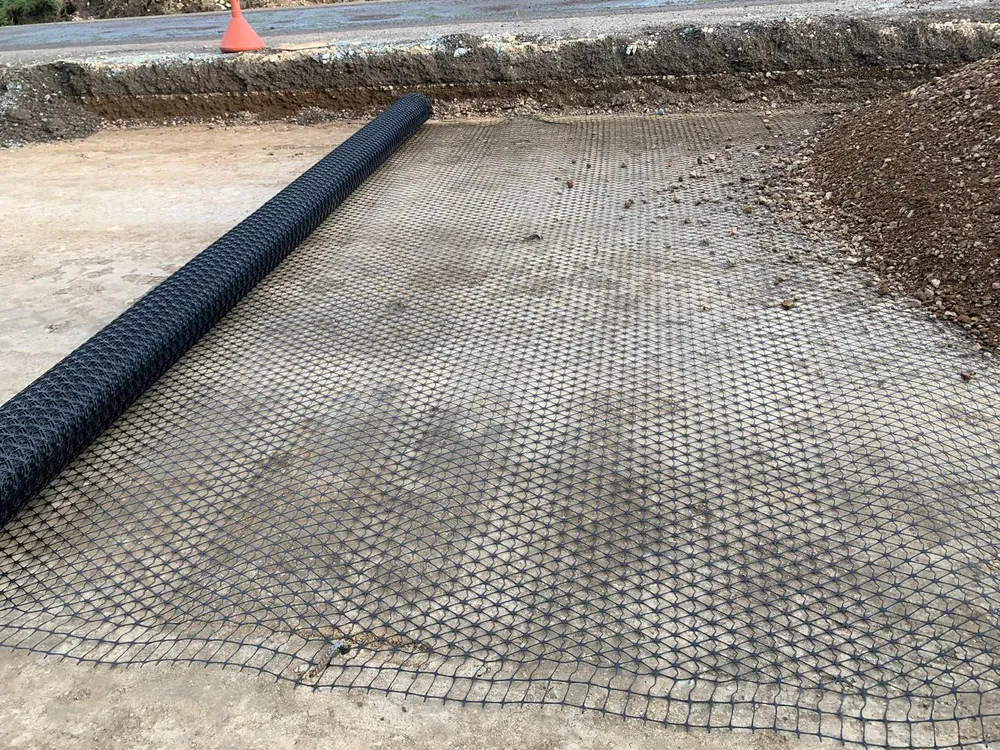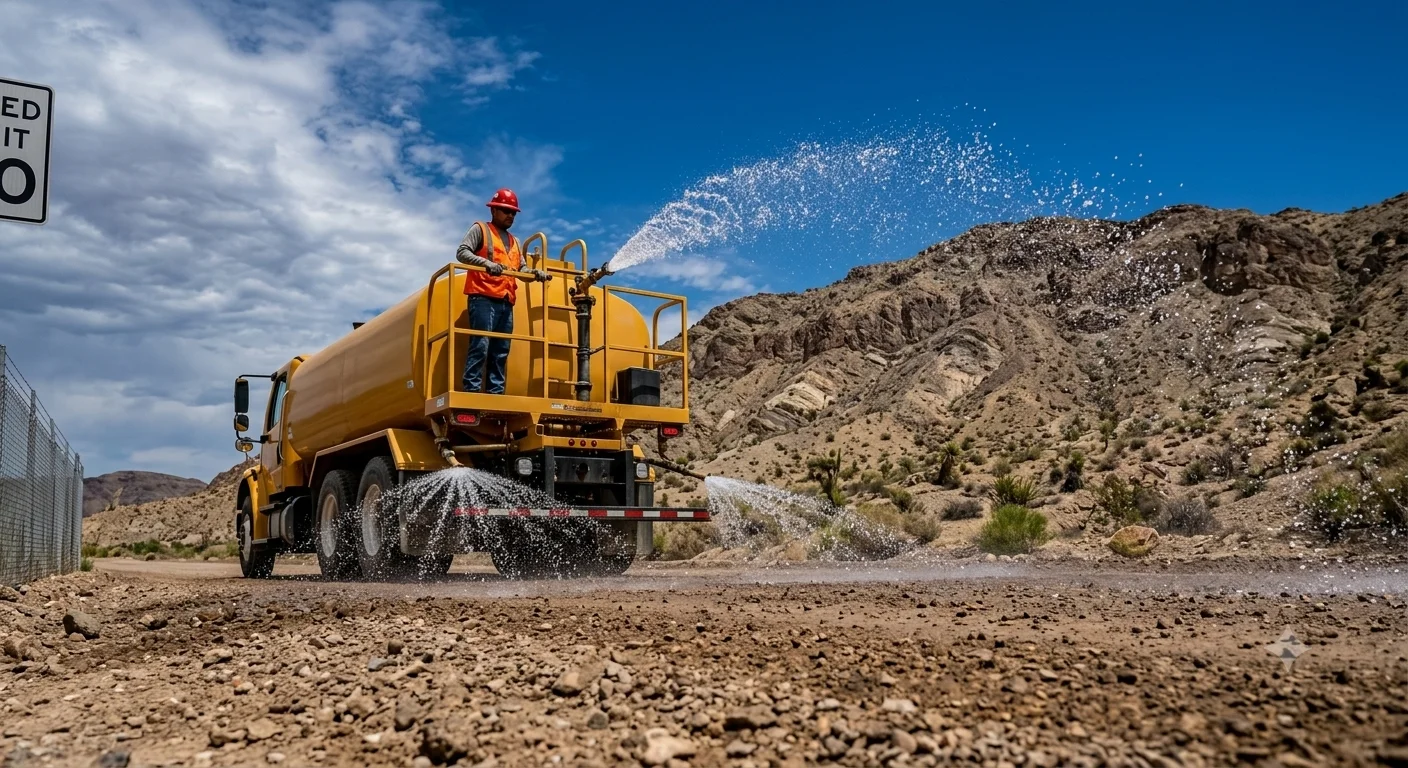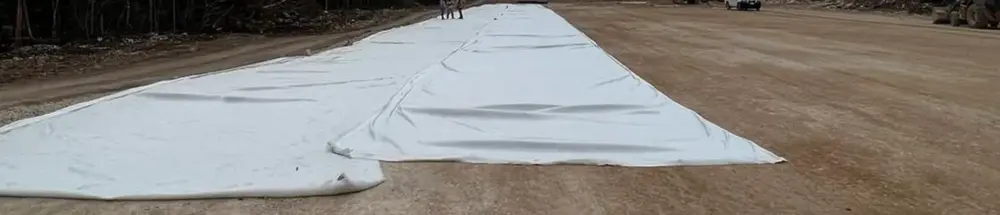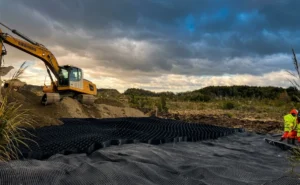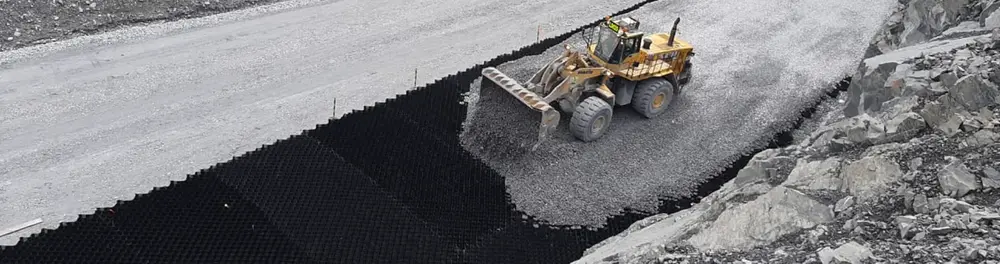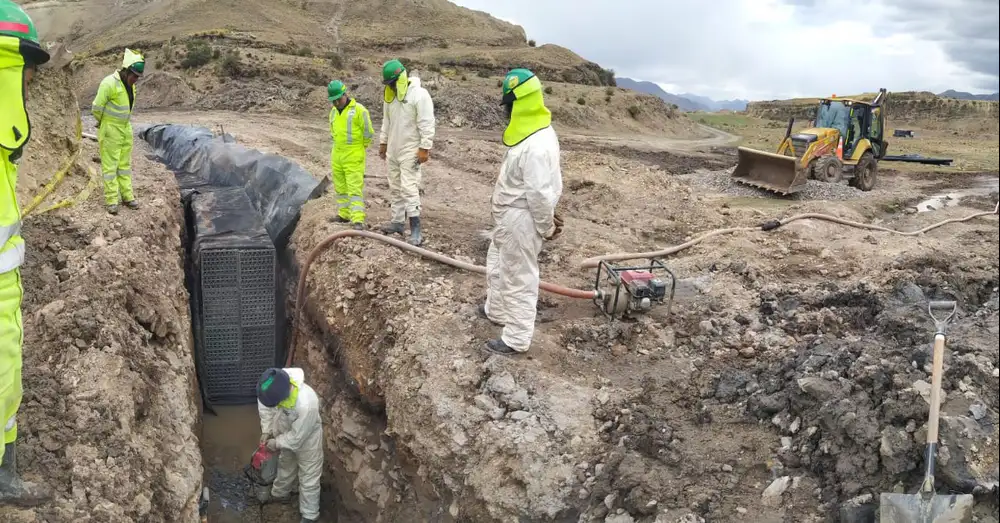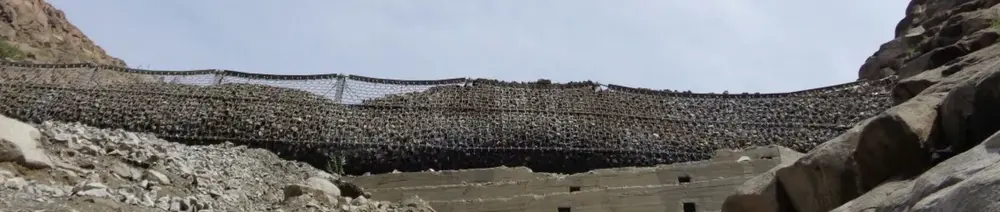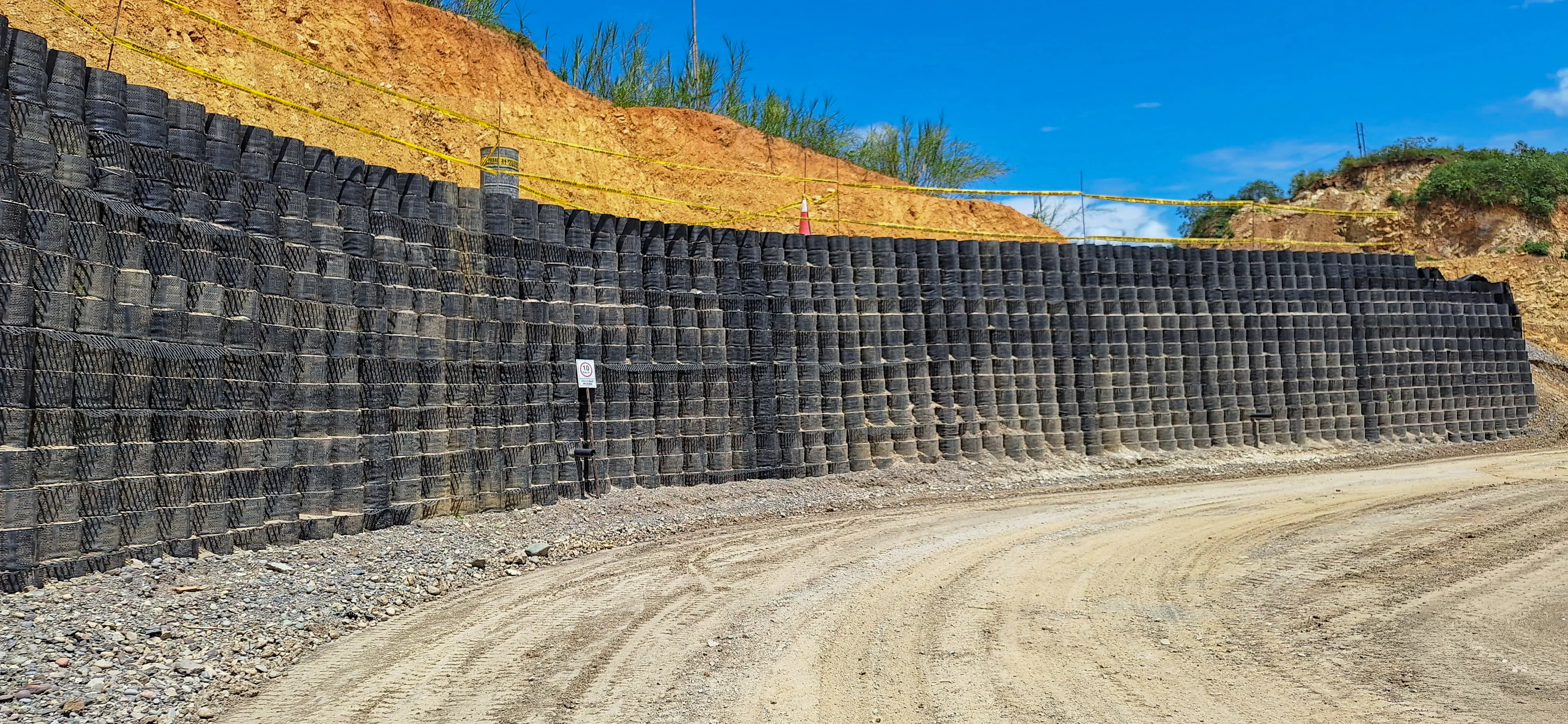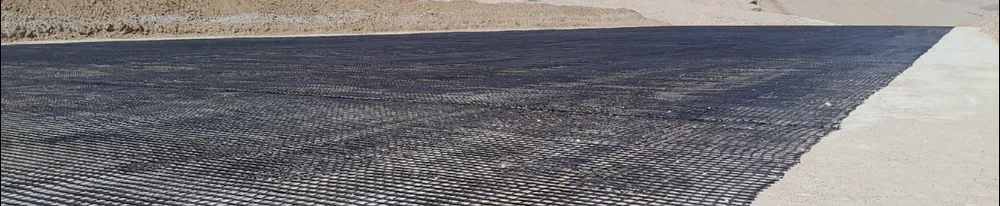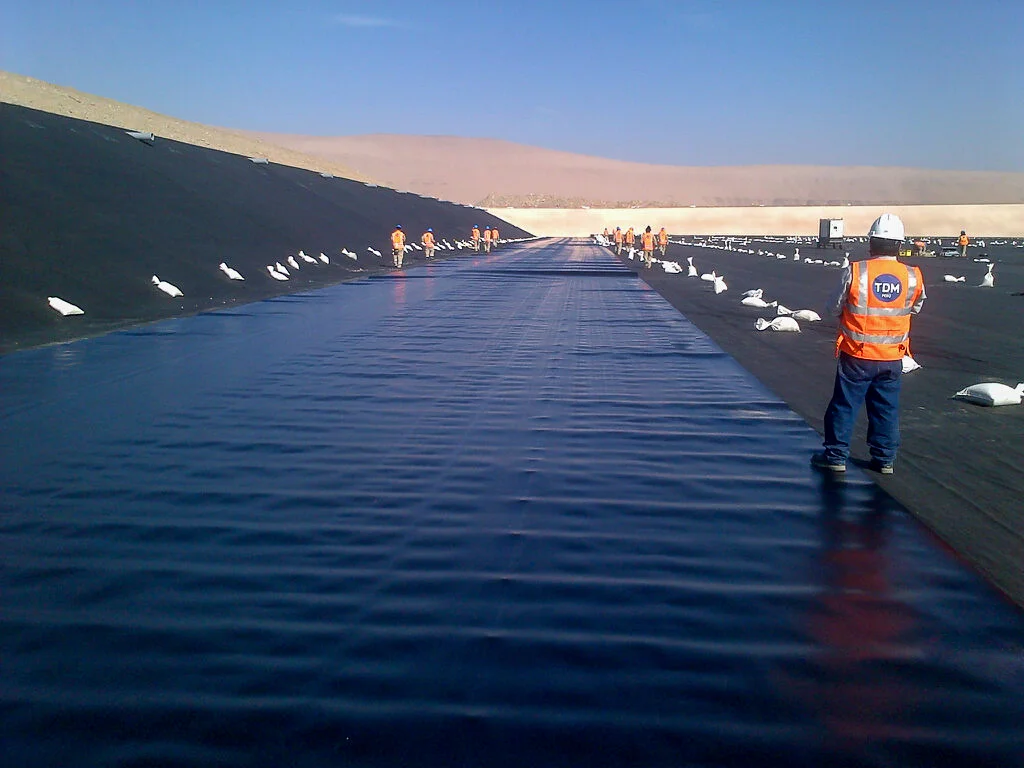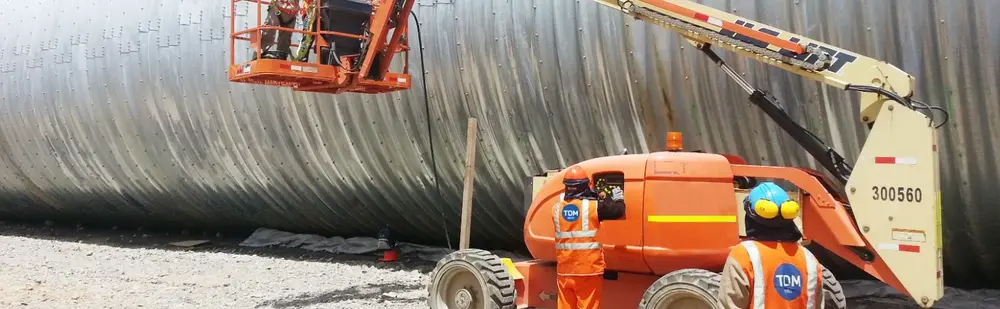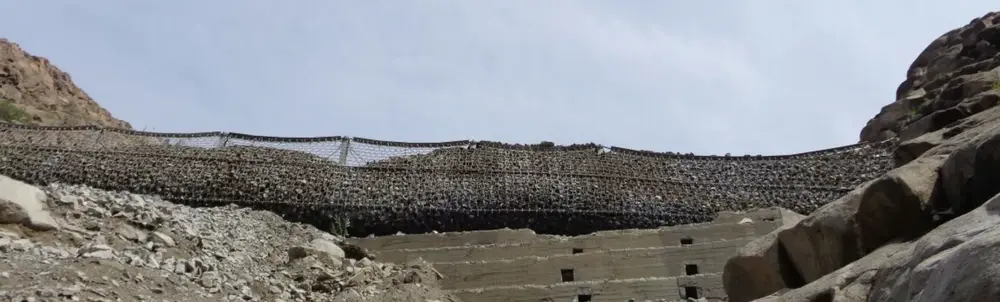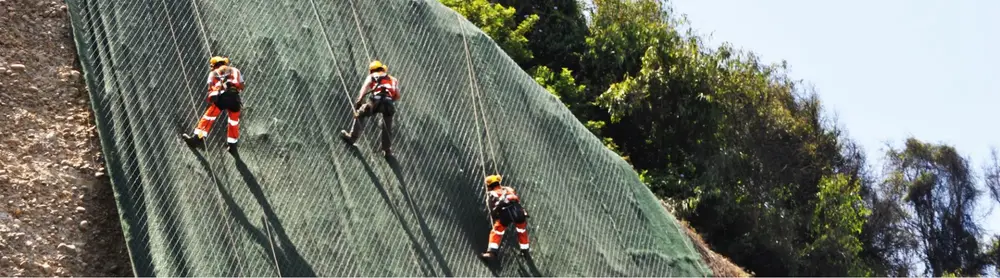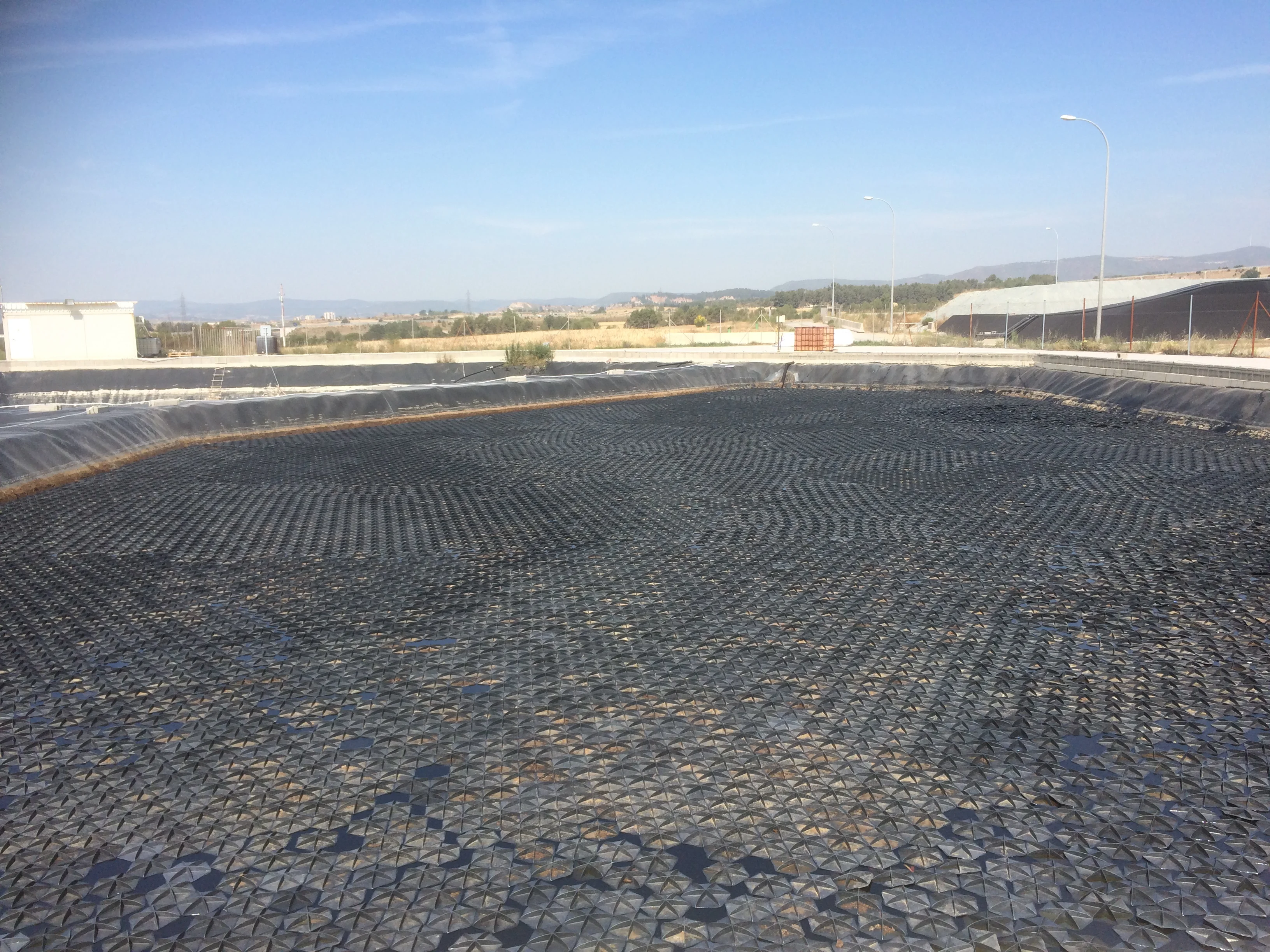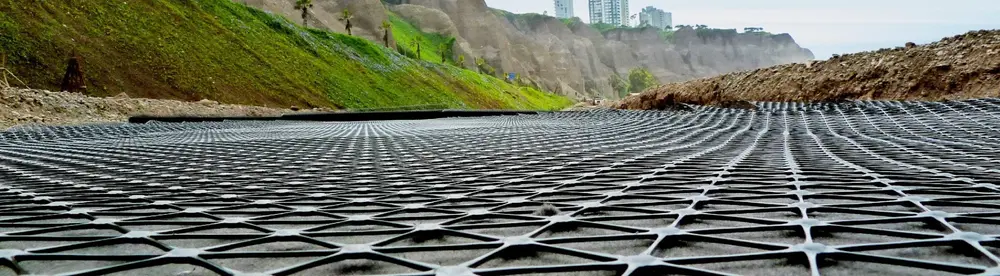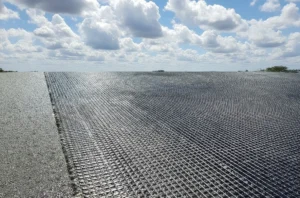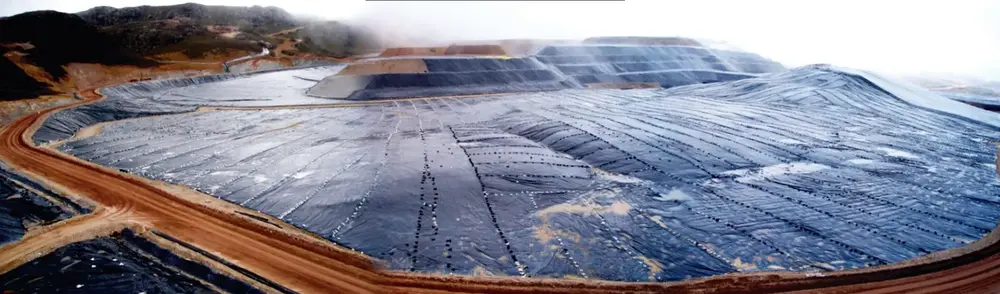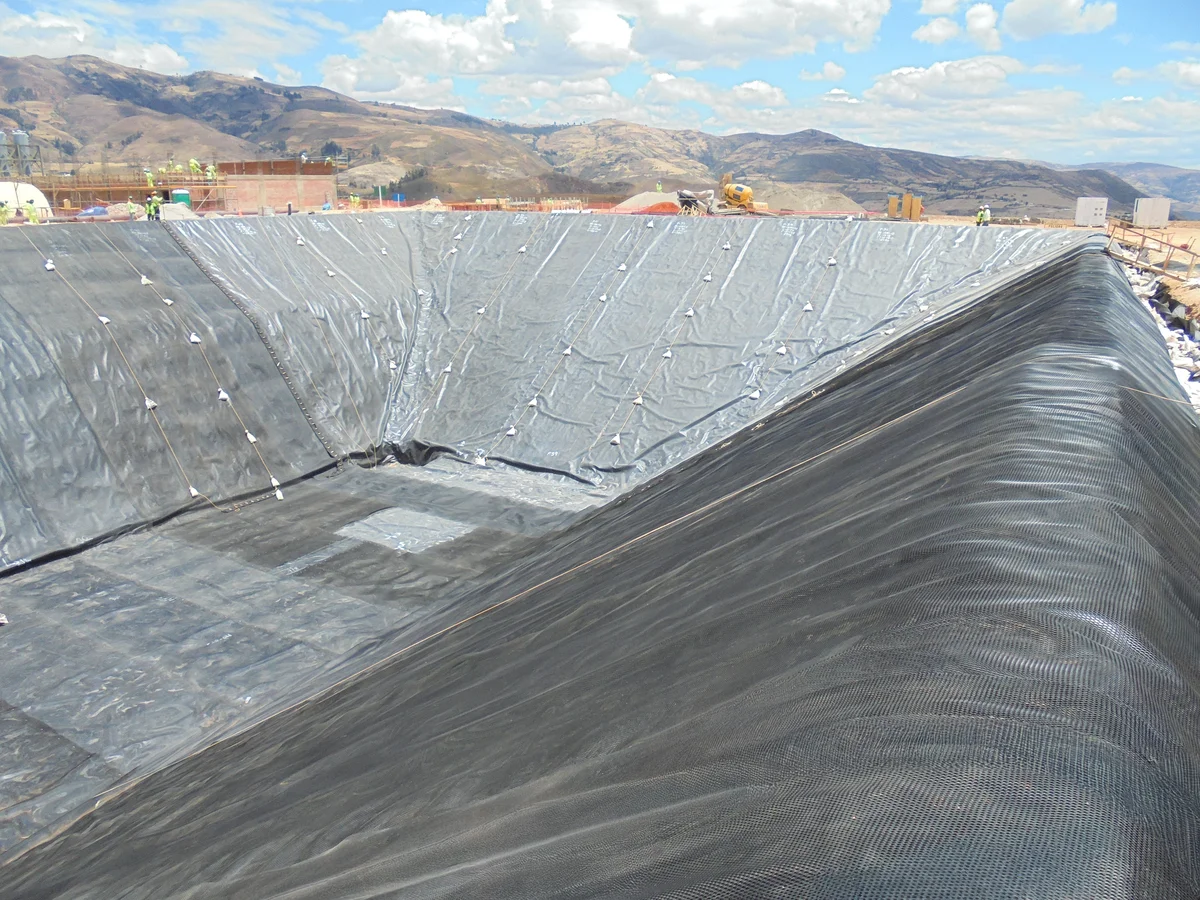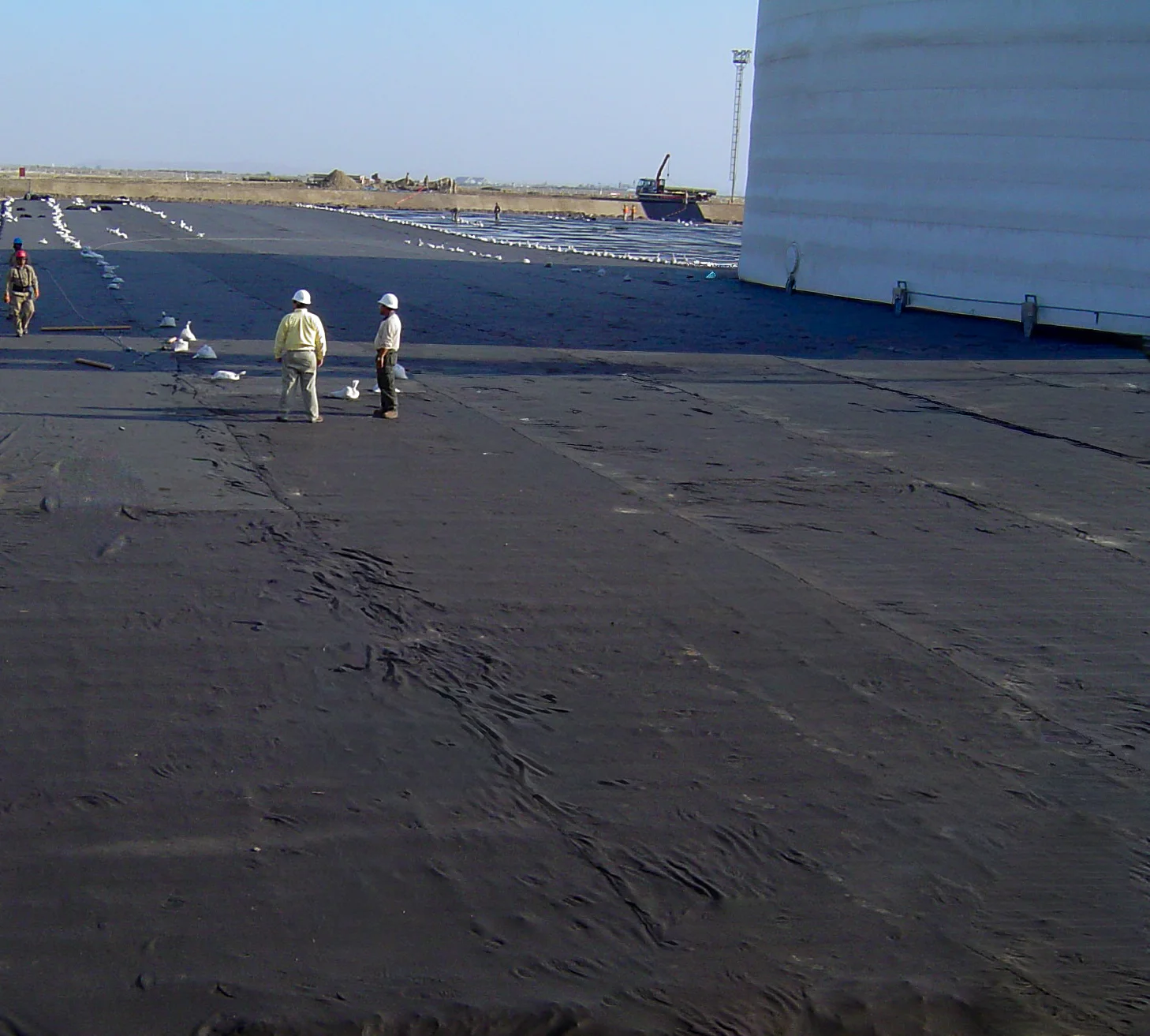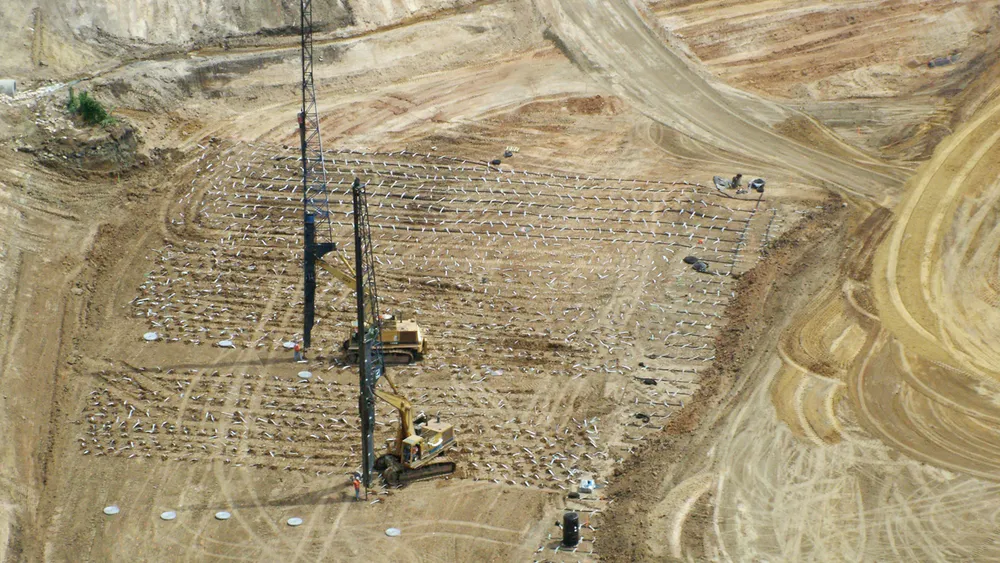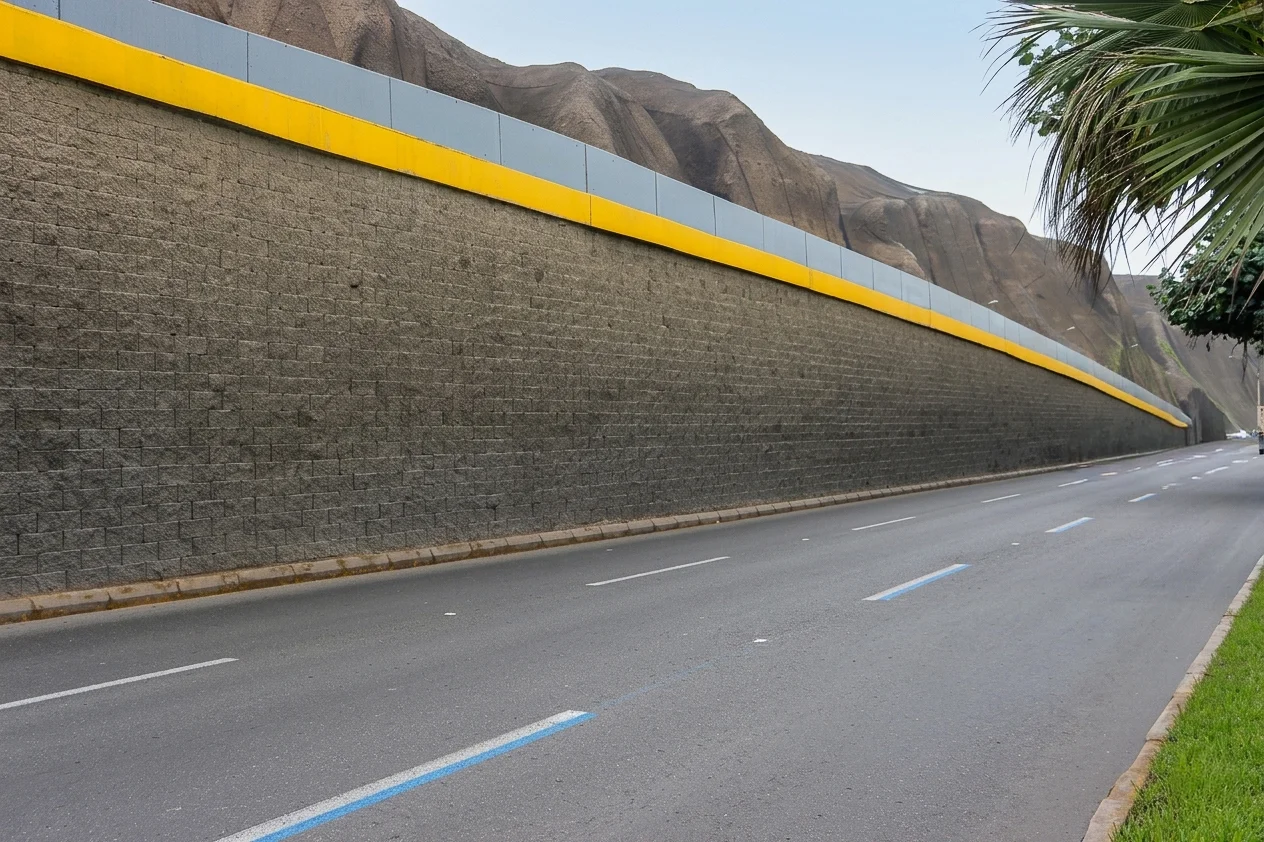

Geosynthetics are high-performance polymeric materials used in road construction to increase structural strength, improve environmental stability, and extend the service life of roads. Their design allows them to fulfill specific functions such as reinforcement, filtration, drainage, protection, and layer separation, positioning them as an efficient solution in transportation infrastructure development. The use of geosynthetics has gained prominence in recent decades due to their multiple advantages over conventional methods.
Among their most notable benefits are rapid installation, resource optimization during construction, reduced operational costs, and a significantly lower environmental impact—factors that align with current demands for sustainability and innovation in civil engineering projects.
Products used
📦
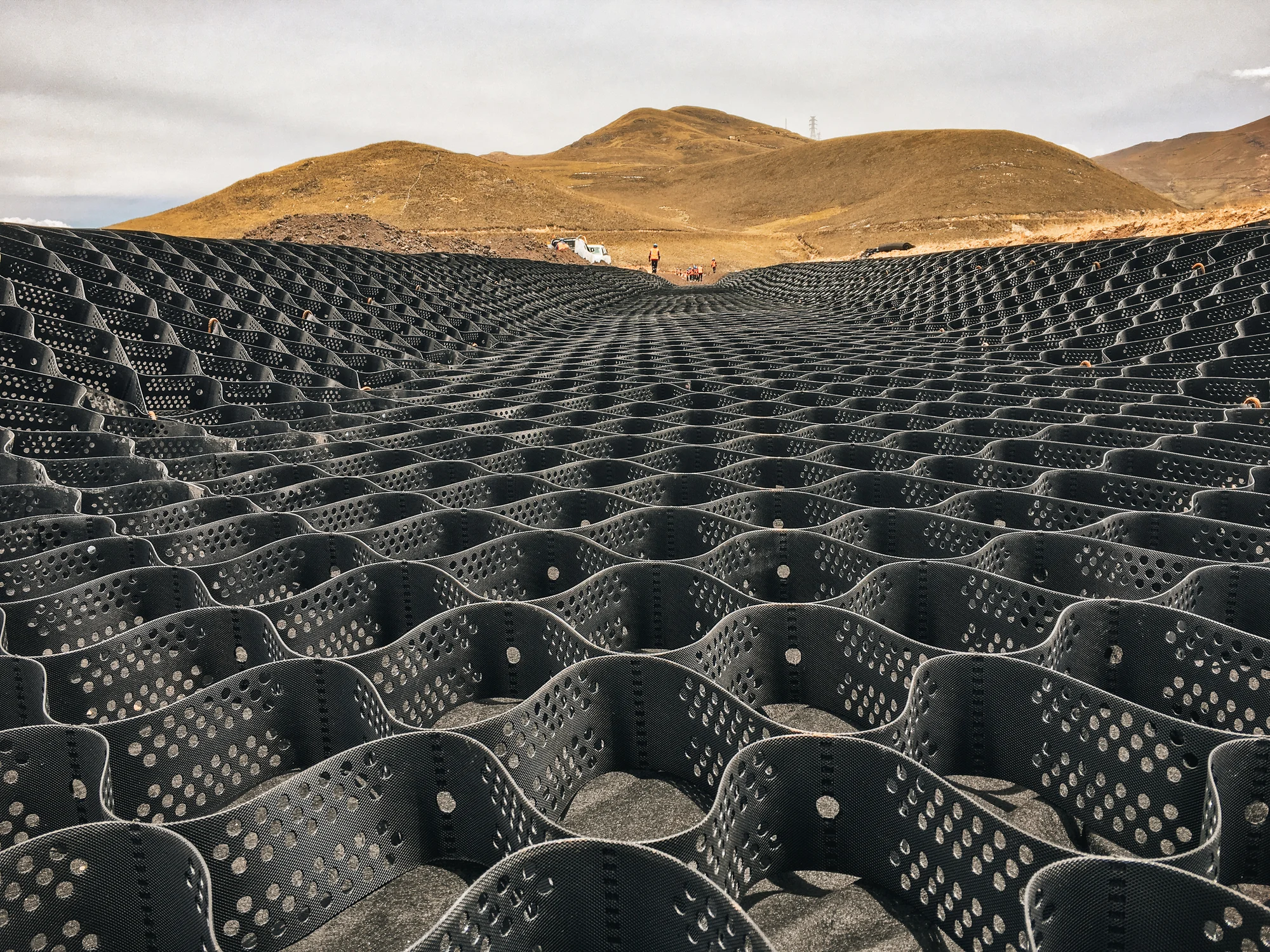
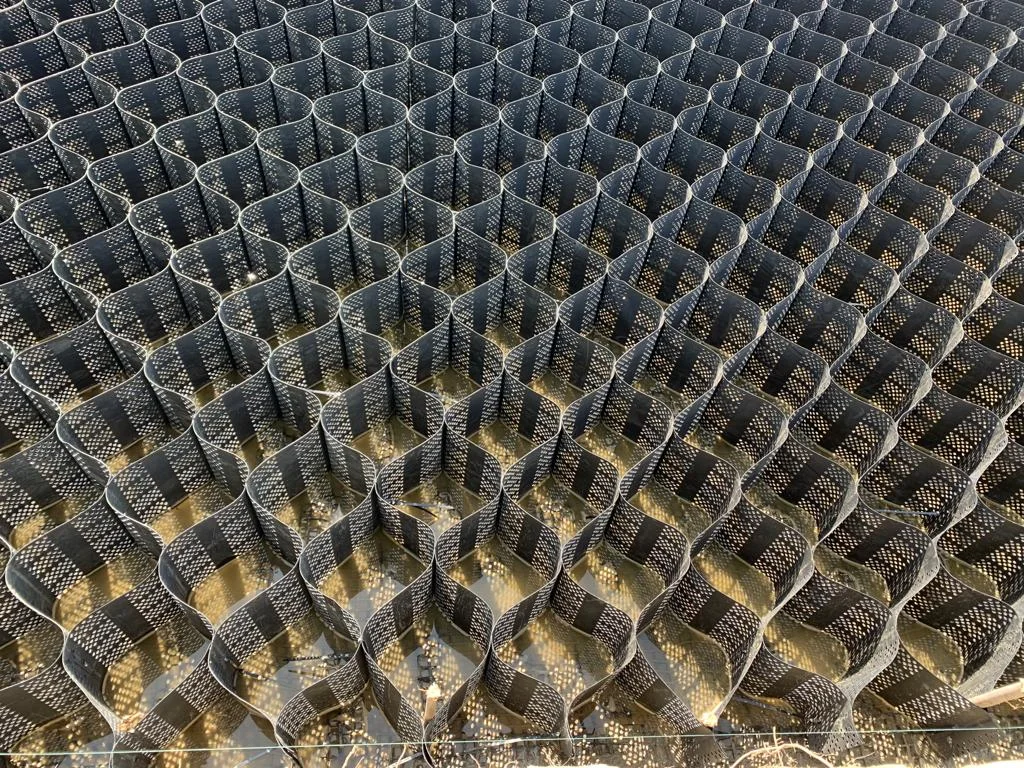
Geocells
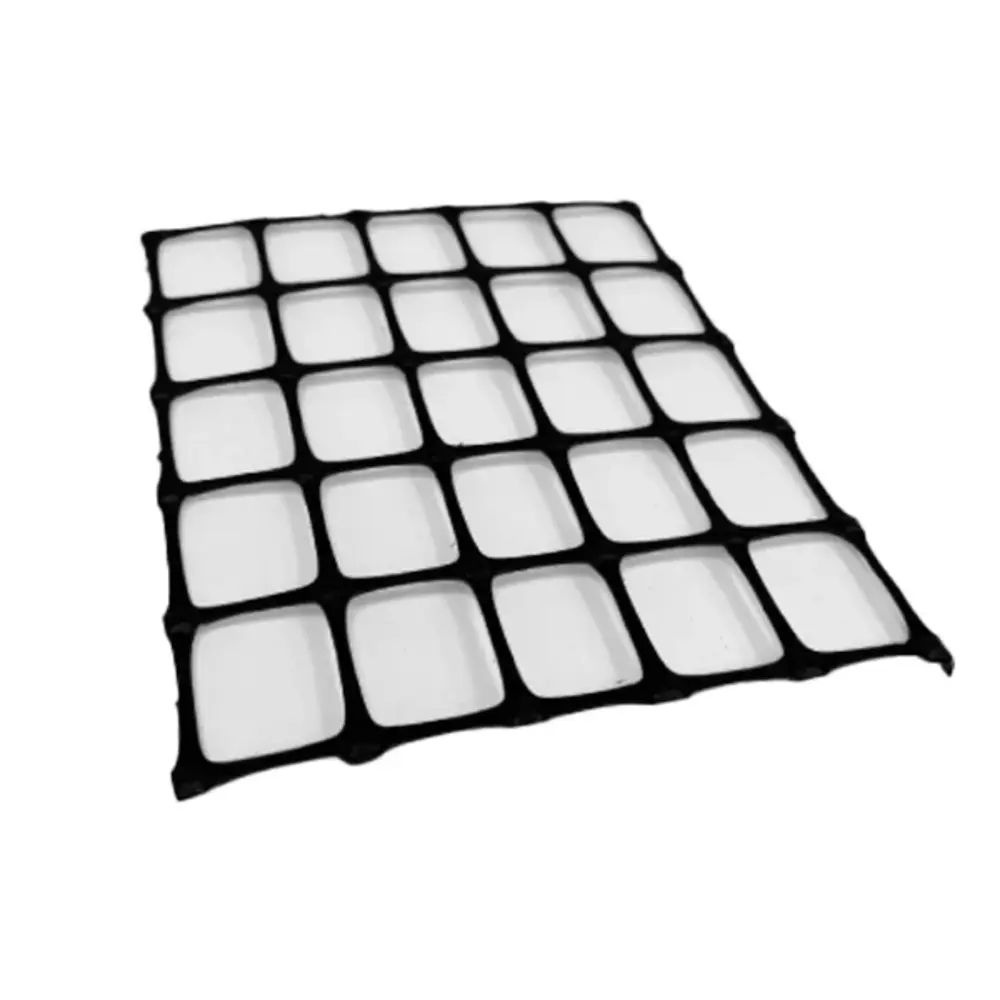
Geogrids
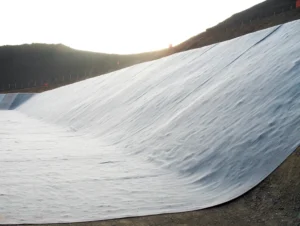
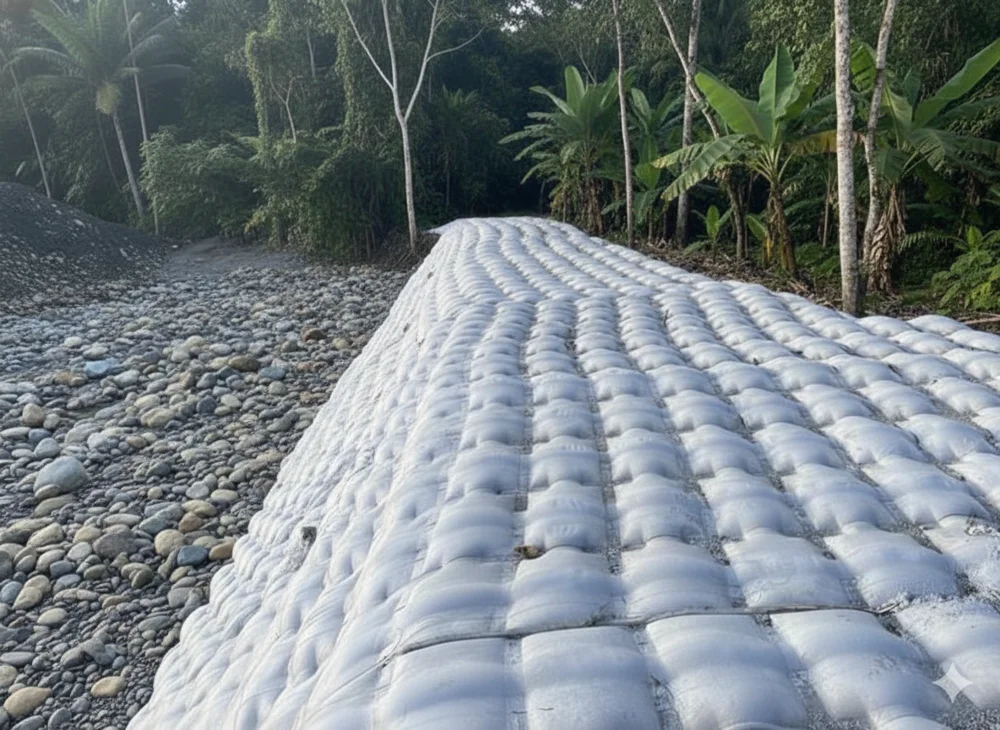
Geotextile
📦
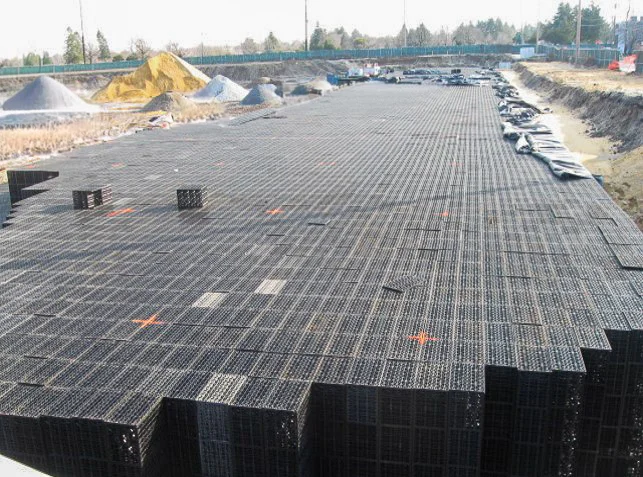
Geocells
Geogrids
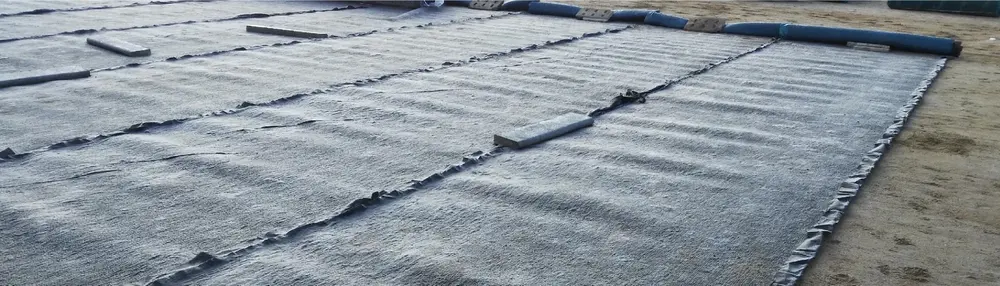
Geotextile
📦
📦
Structural reinforcement of the stabilized subgrade Increases the CBR of the treated soil, improving its bearing capacity and providing greater stability to the pavement structure.
Plasticity Index (PI) optimization Reduces soil plasticity, minimizing deformation and improving mechanical behavior under load.
Control of expansive soils Significantly decreases the volumetric expansion of soils with high clay content, preventing damage to the road surface.
Improved performance under service conditions Enhances pavement durability by improving structural response to repeated loads and varying environmental conditions.
Increase in the resilient modulus of granular layers In sub-bases and bases, it improves the material’s ability to absorb and recover energy, increasing the efficiency and service life of the roadway system.
Application sectors
Road infrastructure
Railways
Agriculture
Ports and Airports
Mining
Urban development
Road infrastructure
Railways
Agriculture
Ports and Airports
Mining
Urban development
Road infrastructure
Railways
Agriculture
Ports and Airports
Mining
Urban development
Selected projects
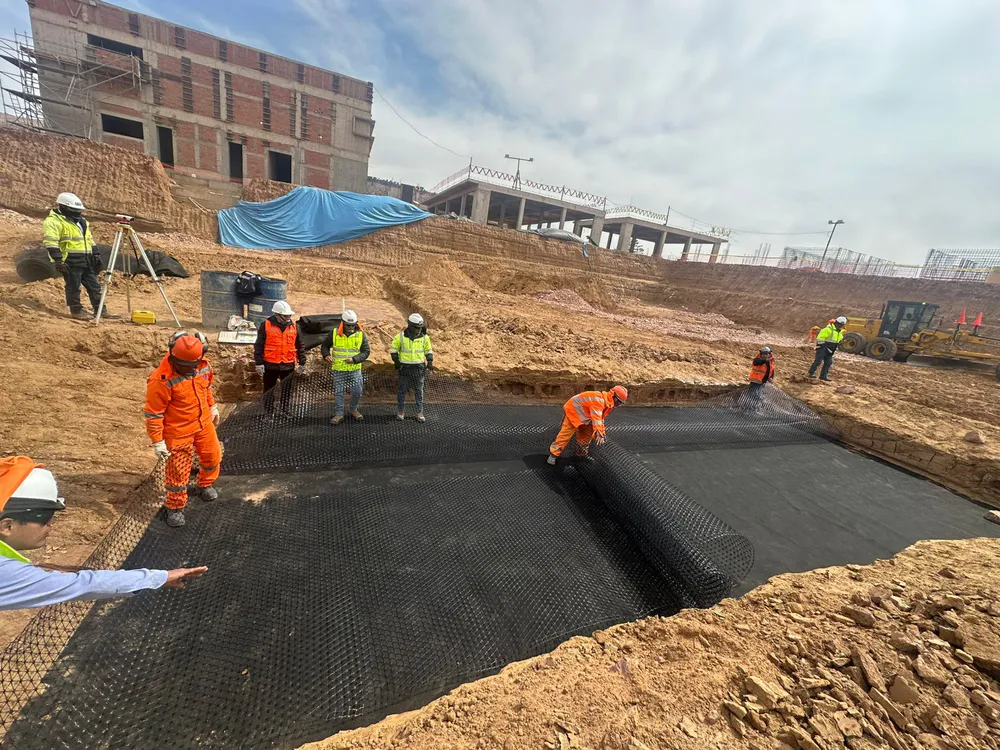
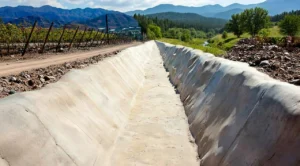
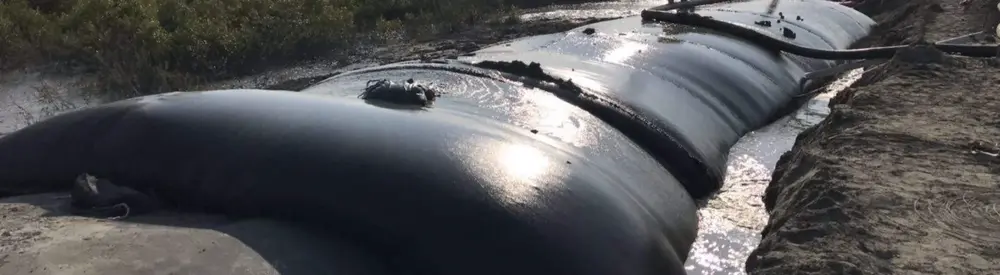
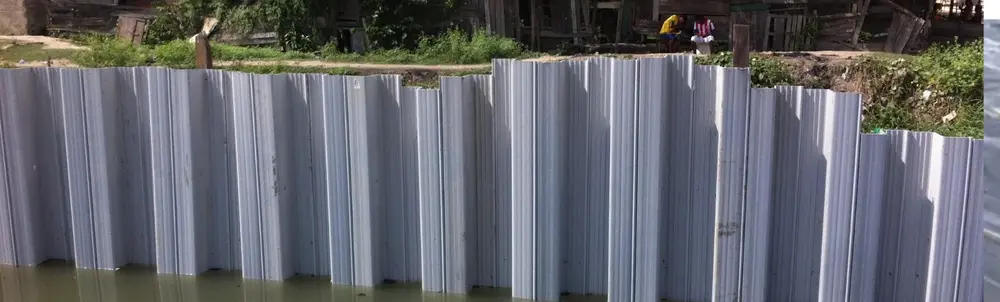
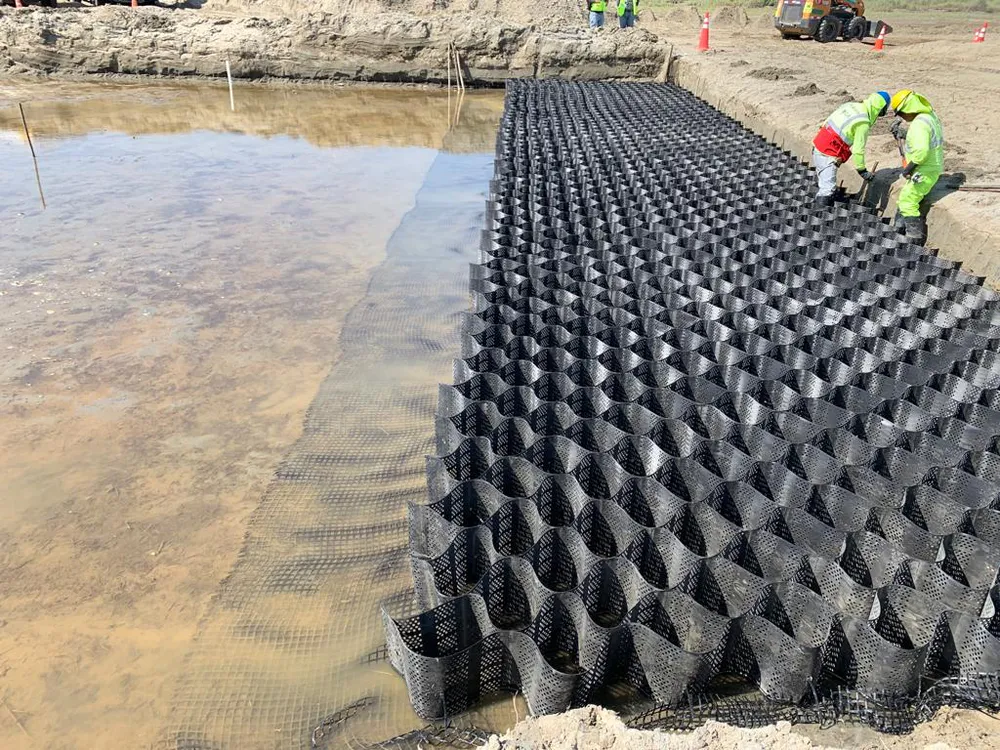
Casma River riverbank protection project, Áncash, Peru.
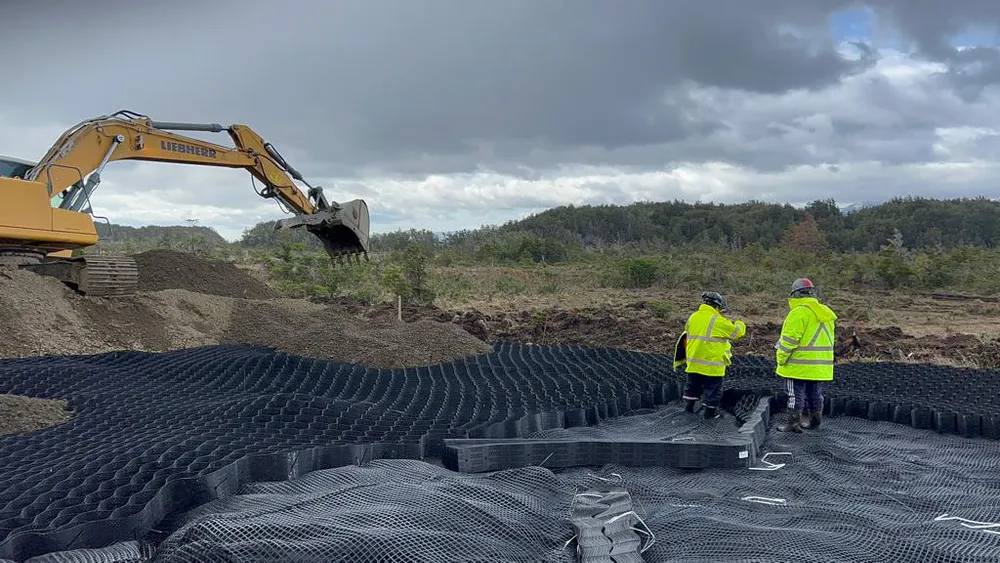
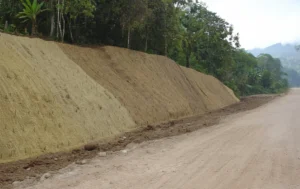
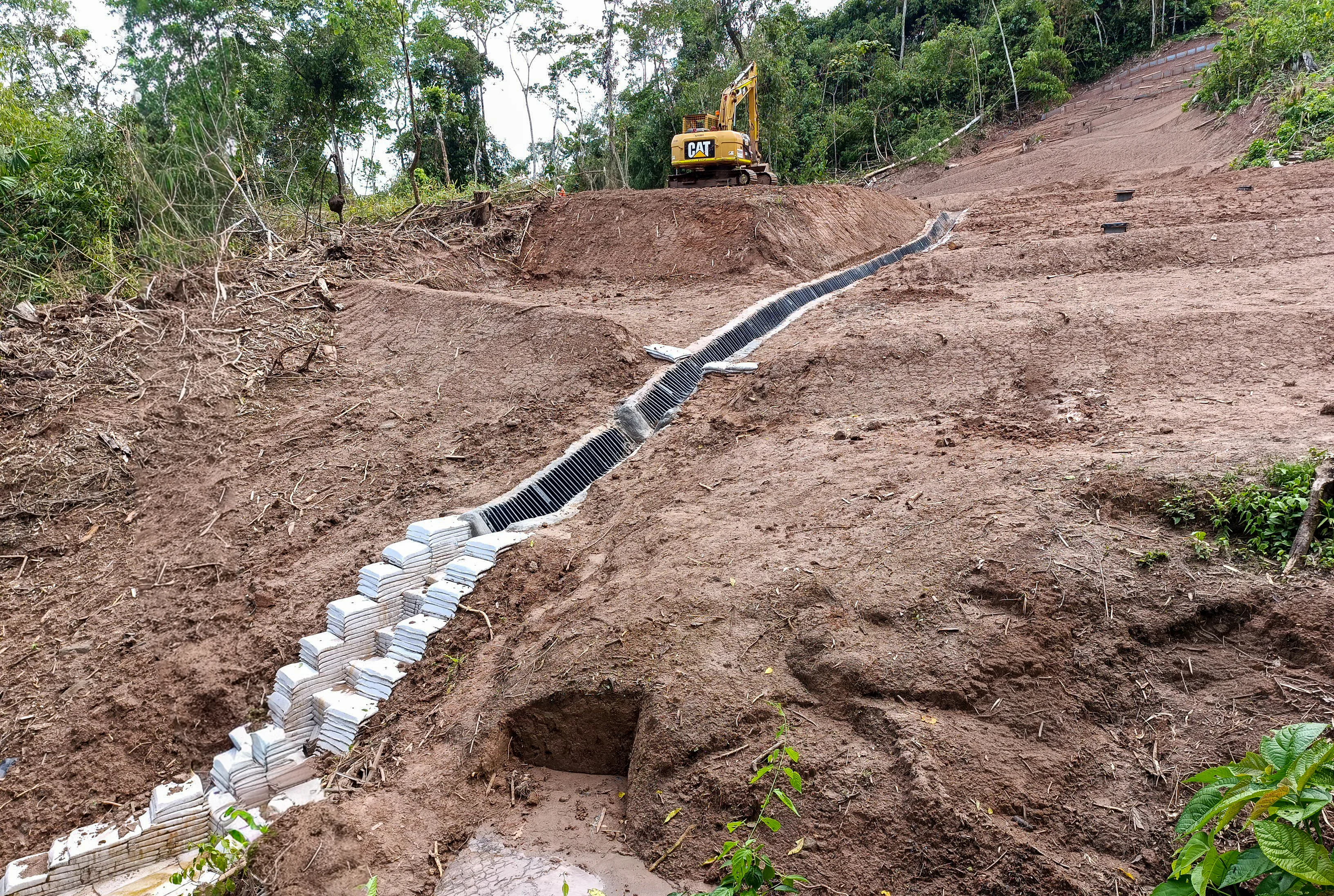
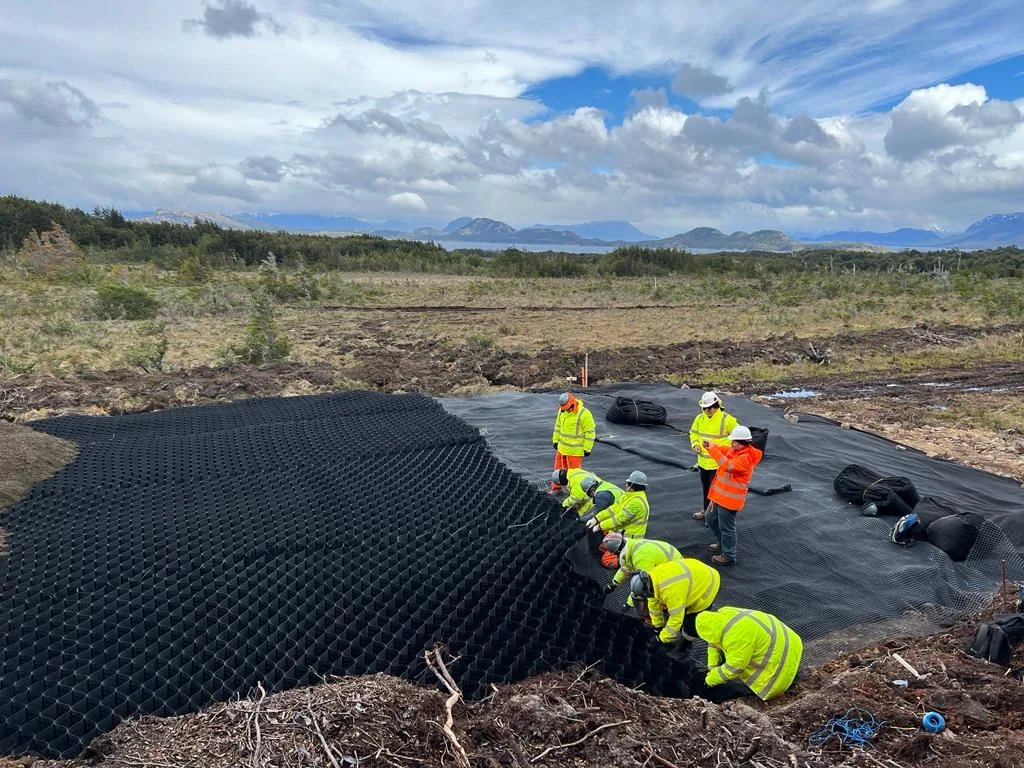
Hollemberg River–Pérez River Road Project, Province of Magallanes and Chilean Antarctica, Chile.
Casma River riverbank protection project, Áncash, Peru.
Hollemberg River–Pérez River Road Project, Province of Magallanes and Chilean Antarctica, Chile.
Casma River riverbank protection project, Áncash, Peru.
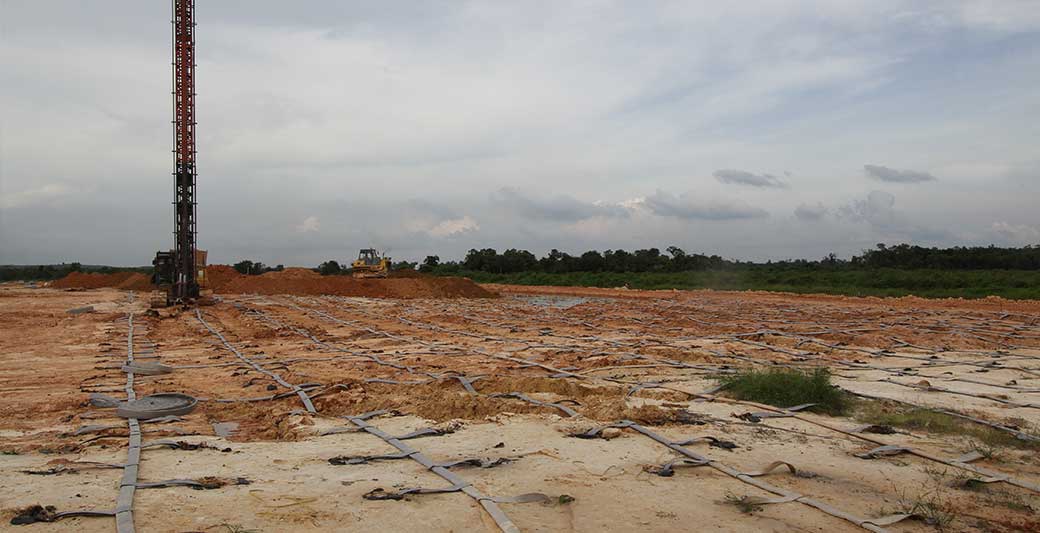
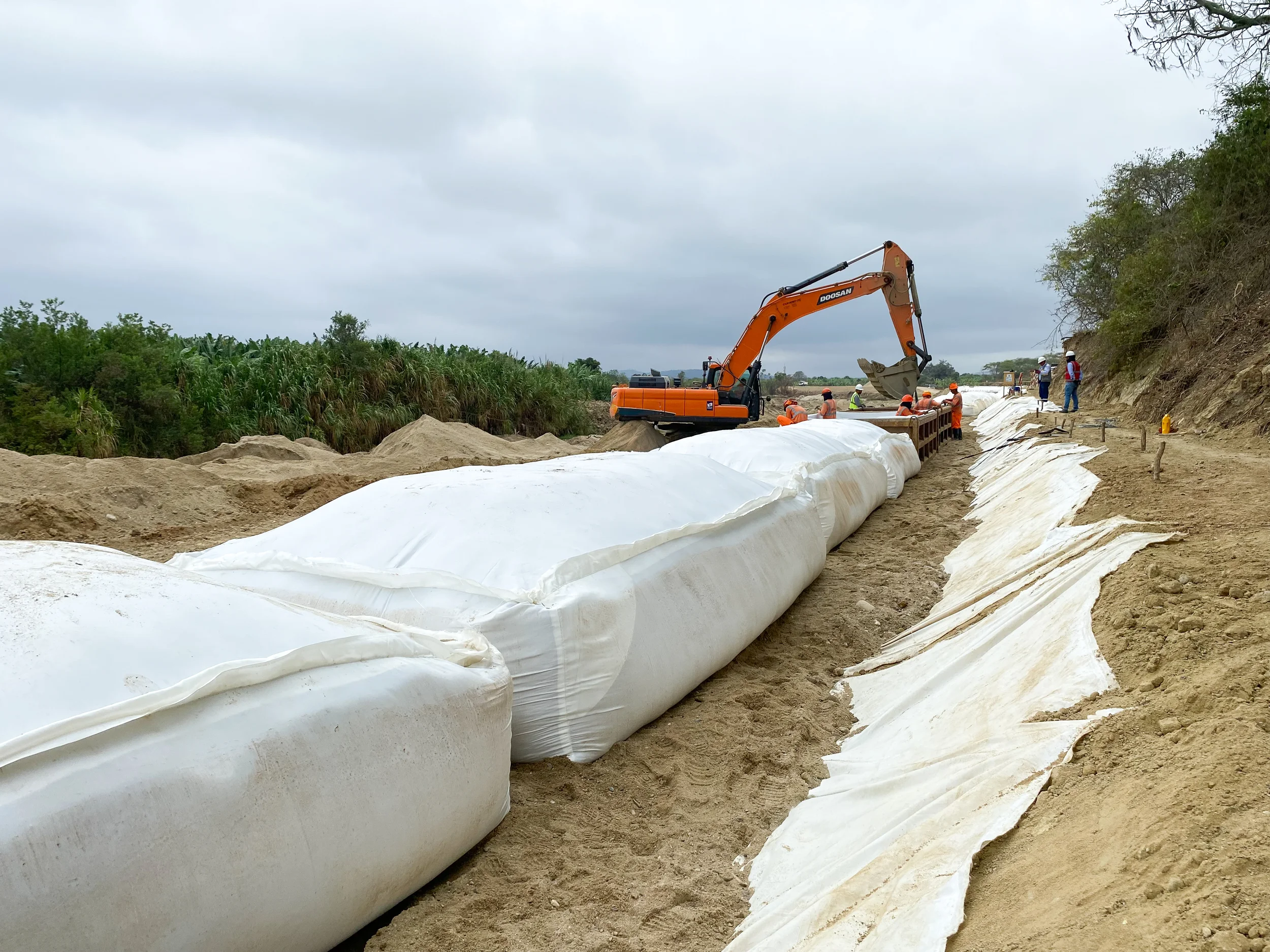
The project presented a critical technical challenge: the presence of over-saturated soft soils in the area where the proposed dike was to be constructed, on which fill material was placed.
This condition prevented achieving the required density to ensure higher shear strength, thereby compromising the stability and structural performance of the dike during its operational stage.
To overcome this limitation, a working platform was constructed over the soft ground, allowing the foundation to be stabilized and providing adequate support for the dike’s fill layers.
This technical solution made it possible to achieve the maximum densities specified in the project requirements, ensuring the integrity of the dike and the efficiency of the construction process.
Hollemberg River–Pérez River Road Project, Province of Magallanes and Chilean Antarctica, Chile.
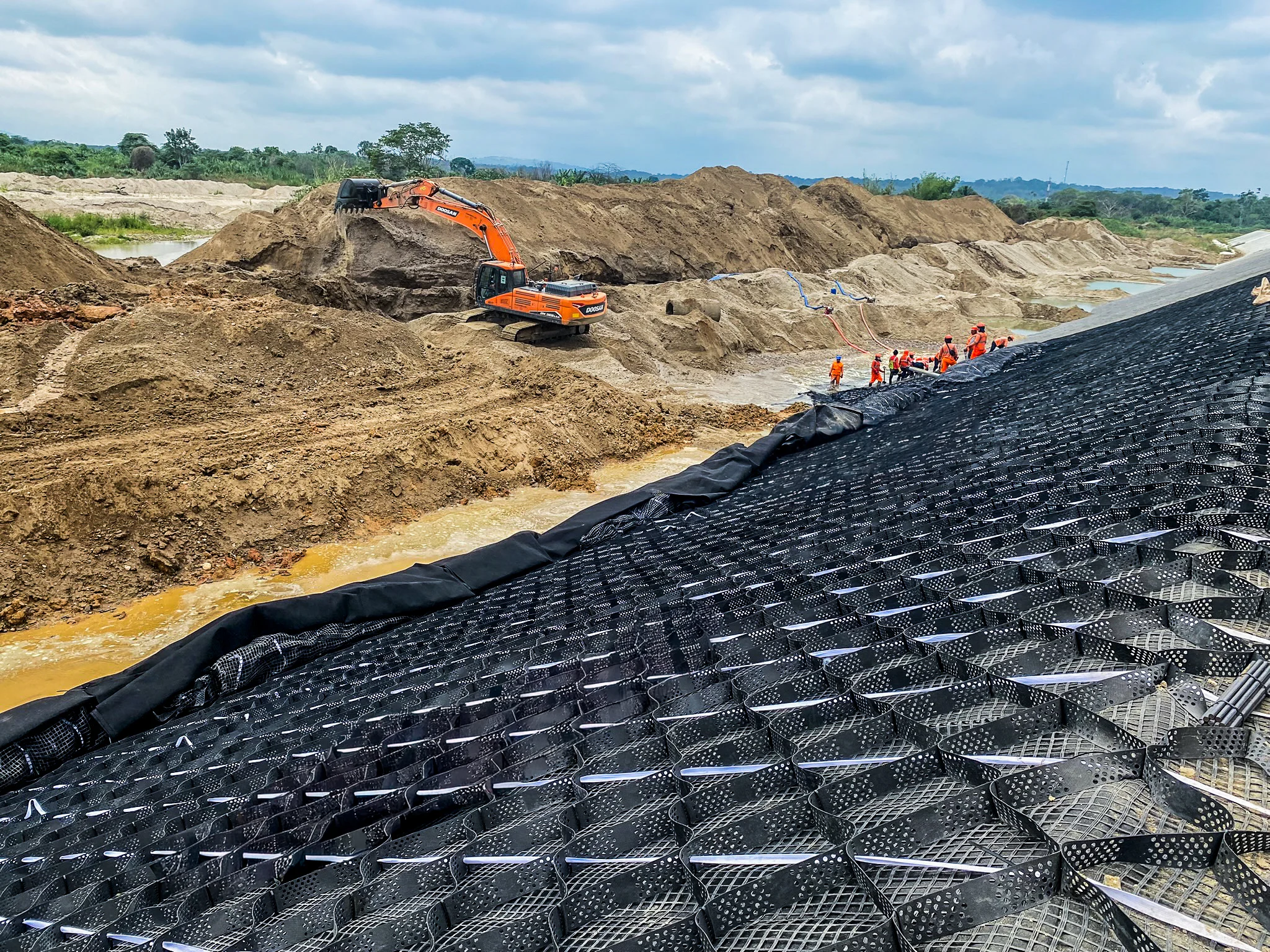
The construction of a new roadway faced complex geotechnical conditions due to the presence of peat soils. This situation represented a significant risk to the stability of the road and the long-term durability of the infrastructure.
To mitigate these limitations, a reinforcement system was implemented using a drainage granular material combined with geosynthetics, integrating a non-woven geotextile and an HDPE geocell. This solution enabled efficient load distribution, improved drainage, and increased the bearing capacity of the ground, optimizing the structural performance of the roadway from the construction stage onward.
Casma River riverbank protection project, Áncash, Peru.
The project presented a critical technical challenge: the presence of over-saturated soft soils in the area where the proposed dike was to be constructed, on which fill material was placed.
This condition prevented achieving the required density to ensure higher shear strength, thereby compromising the stability and structural performance of the dike during its operational stage.
To overcome this limitation, a working platform was constructed over the soft ground, allowing the foundation to be stabilized and providing adequate support for the dike’s fill layers.
This technical solution made it possible to achieve the maximum densities specified in the project requirements, ensuring the integrity of the dike and the efficiency of the construction process.
Hollemberg River–Pérez River Road Project, Province of Magallanes and Chilean Antarctica, Chile.
The construction of a new roadway faced complex geotechnical conditions due to the presence of peat soils. This situation represented a significant risk to the stability of the road and the long-term durability of the infrastructure.
To mitigate these limitations, a reinforcement system was implemented using a drainage granular material combined with geosynthetics, integrating a non-woven geotextile and an HDPE geocell. This solution enabled efficient load distribution, improved drainage, and increased the bearing capacity of the ground, optimizing the structural performance of the roadway from the construction stage onward.
Need advice?
Our team of experts is ready to advise you and help you find the best option for your project.
Success stories
Dynamic Barriers Against Debris Flows – Chosica, Lima, Peru
stability and containment
The Problem In recent years, the district of Chosica in Lima has been affected by debris flows (huaicos) generated in its ravines. In 2015 alone, nine fatalities were reported, 341...
TDM Group present at the 2nd Mine Closure Congress 2026
GeosyntheticsLATAM
We participated in the 2nd Mine Closure Congress 2026, a key gathering space for professionals and companies committed to more sustainable and responsible mining. The event enabled the exchange of...
Dynamic Barriers Against Debris Flows – Chosica, Lima, Peru
stability and containment
The Problem In recent years, the district of Chosica in Lima has been affected by debris flows (huaicos) generated in its ravines. In 2015 alone, nine fatalities were reported, 341...
TDM Group present at the 2nd Mine Closure Congress 2026
GeosyntheticsLATAM
We participated in the 2nd Mine Closure Congress 2026, a key gathering space for professionals and companies committed to more sustainable and responsible mining. The event enabled the exchange of...