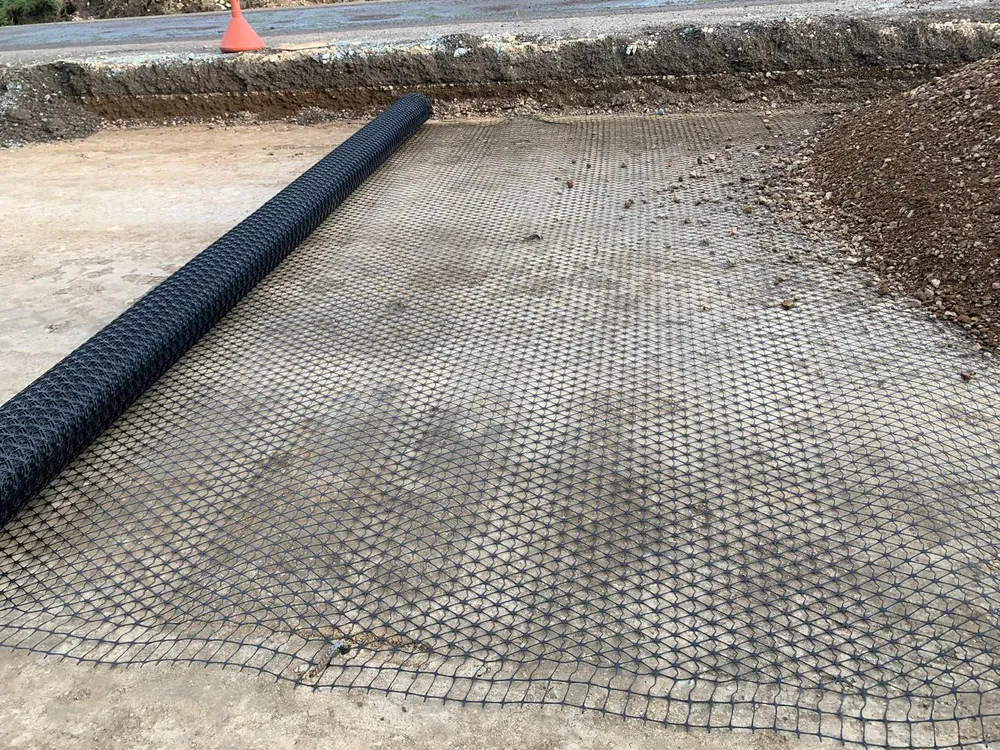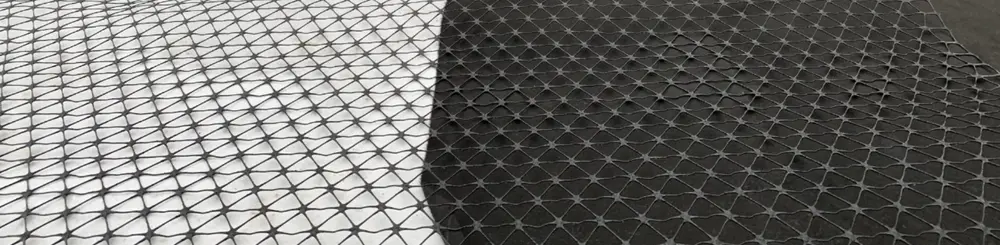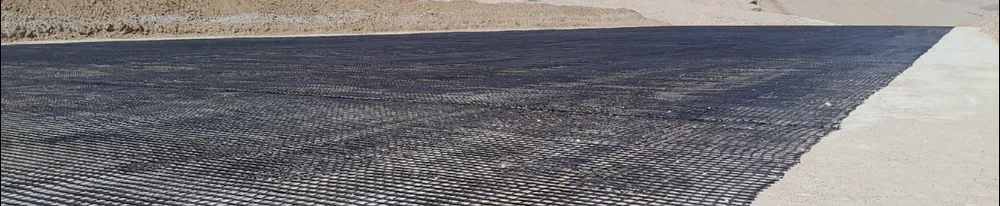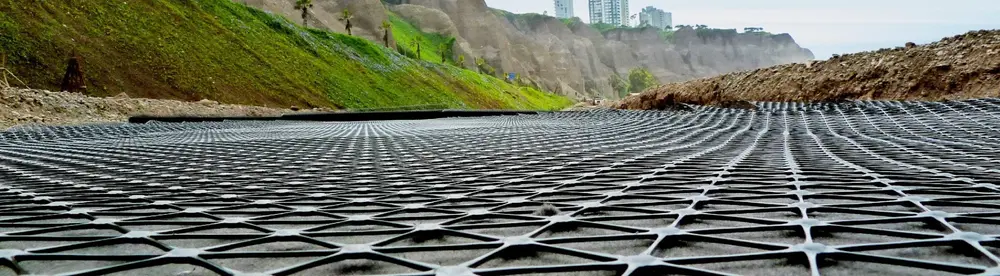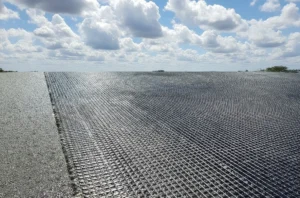
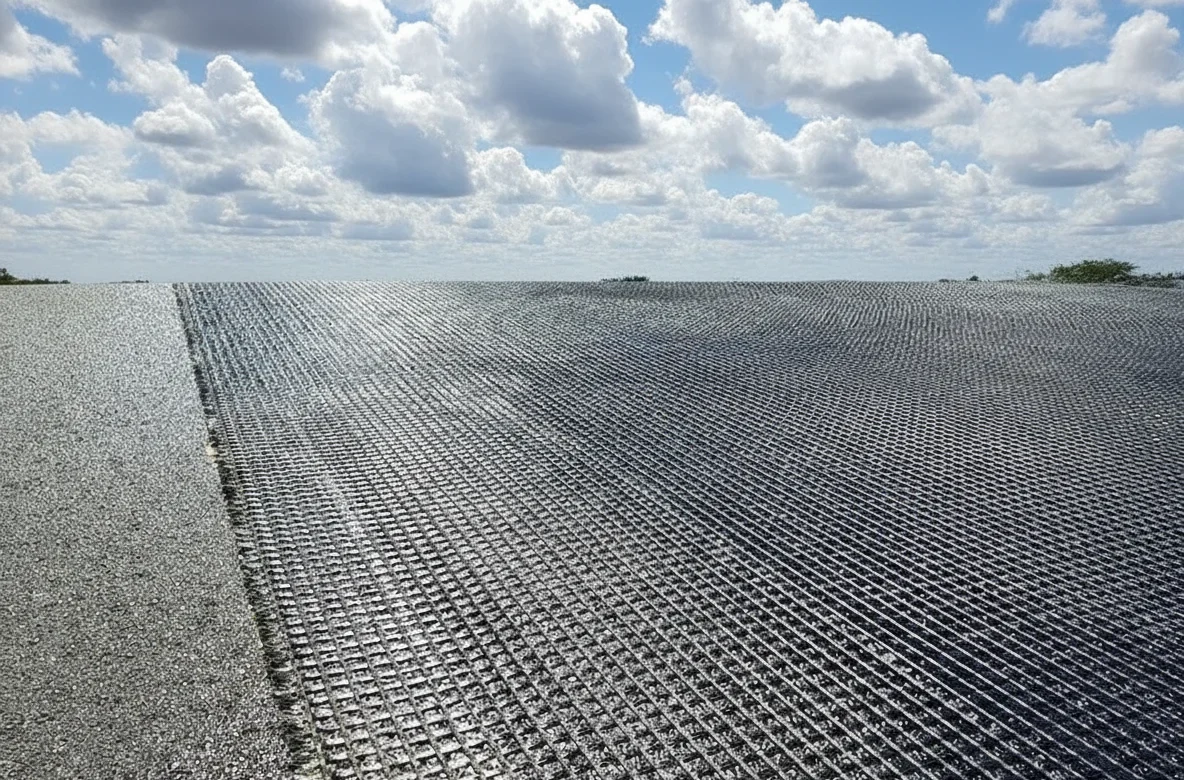
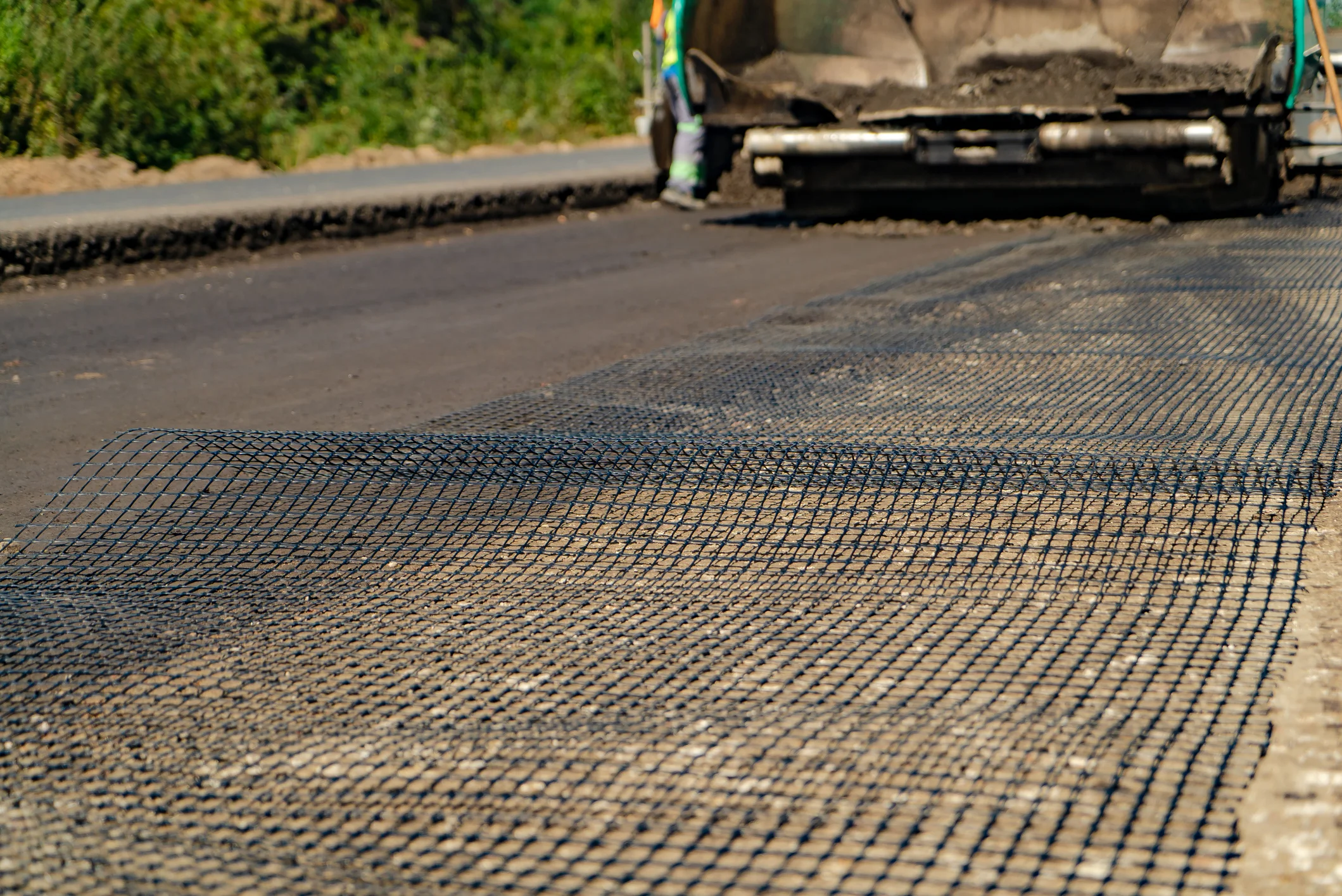
It is a product designed to absorb and distribute stresses caused by cracks in old underlying pavements, effectively reducing their propagation to the new wearing course.
Its flexible structure allows it to adapt to various surfaces and complex resurfacing conditions on streets, avenues, highways, and roads, as well as to the construction of new roads.
Advantages / Benefits
Improves pavement structural integrity: Geogrid absorbs and distributes stresses caused by cracks in underlying layers, preventing their reflection into the new wearing course and reinforcing the pavement’s structural stability.
Prolongs service life and reduces maintenance costs: By limiting crack propagation, this solution significantly extends pavement durability and reduces future workloads.
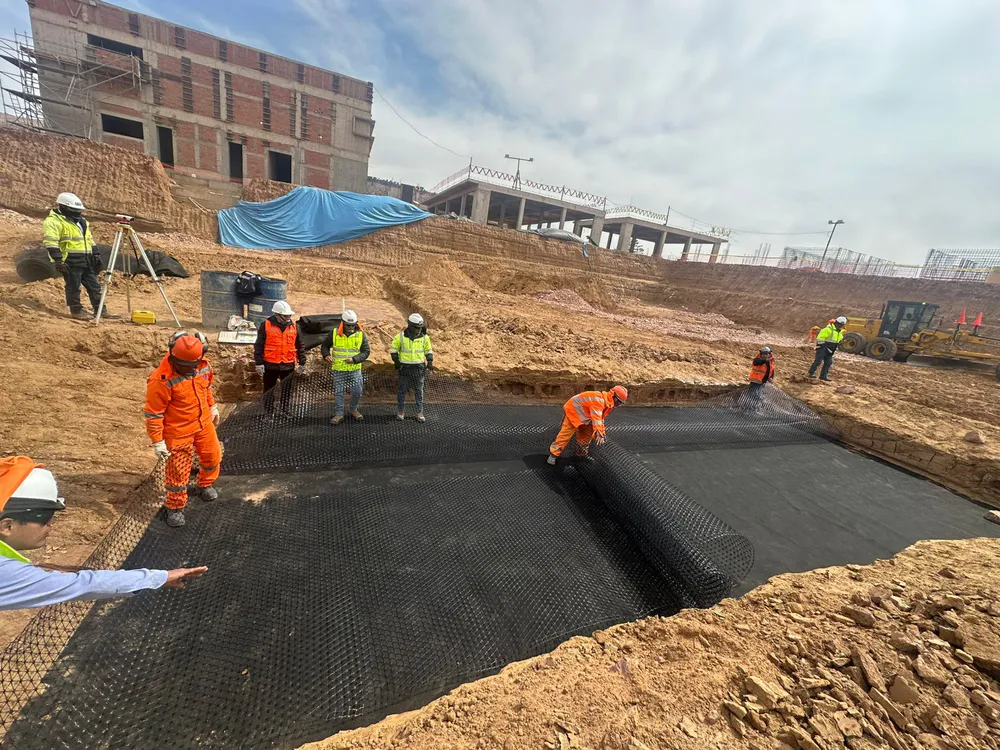
Easy and quick installation: Thanks to its flexibility and compatibility with various surfaces, geogrid is easy to install, even under demanding resurfacing or new road construction conditions.
Applications
Maintaining old pavements to extend their useful life.
Installing new pavements to extend their life.
Application sectors
Roads
Urban Development.
Roads
Urban Development.
Roads
Urban Development.
Some projects completed
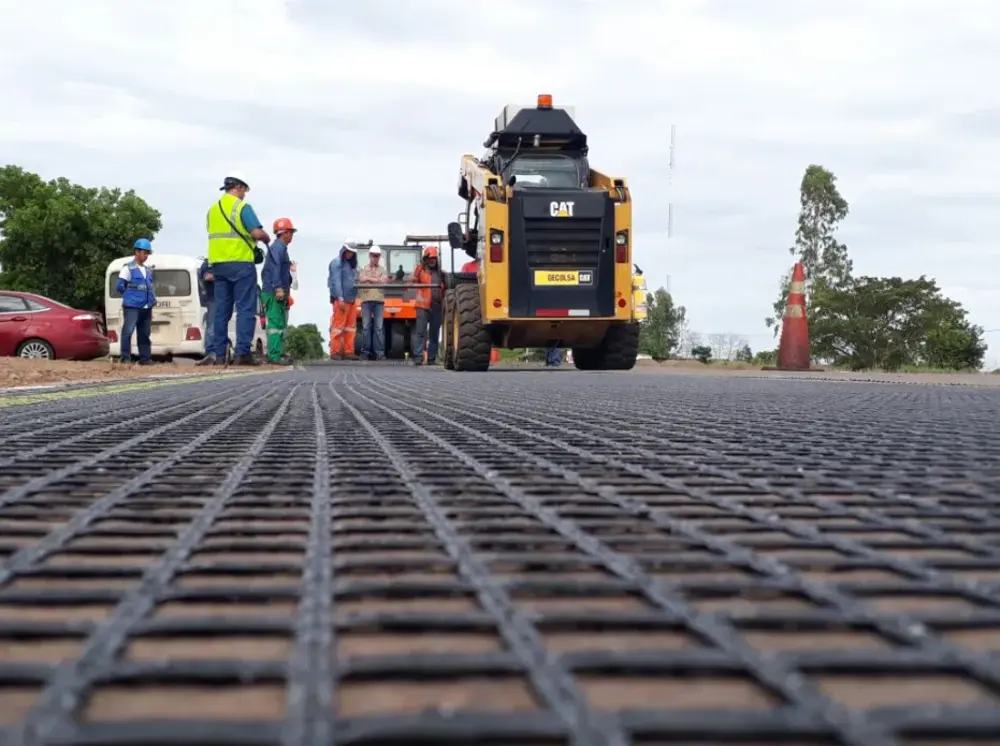
Road rehabilitation - APP Llanos, Colombia
The project involved the rehabilitation of a roadway affected by cracking in the wearing course. This structural damage was caused by the high traffic volume in the area and a cement-stabilized granular base, which transferred cracks to the asphalt surface, compromising its functionality and short-term performance.
To address this problem, a technical solution was designed that included milling the deteriorated surface, followed by the application of a hot-mix dense mix (HDM) leveling layer. A fiberglass geogrid was installed on this base with pressure-sensitive adhesive, the technology of which allowed for rapid and precise placement, even under the high temperatures typical of the surrounding environment.
Road rehabilitation - APP Llanos, Colombia
The project involved the rehabilitation of a roadway affected by cracking in the wearing course. This structural damage was caused by the high traffic volume in the area and a cement-stabilized granular base, which transferred cracks to the asphalt surface, compromising its functionality and short-term performance.
To address this problem, a technical solution was designed that included milling the deteriorated surface, followed by the application of a hot-mix dense mix (HDM) leveling layer. A fiberglass geogrid was installed on this base with pressure-sensitive adhesive, the technology of which allowed for rapid and precise placement, even under the high temperatures typical of the surrounding environment.
Need advice?
Our team of experts is ready to advise you and help you find the best option for your project.
Success stories
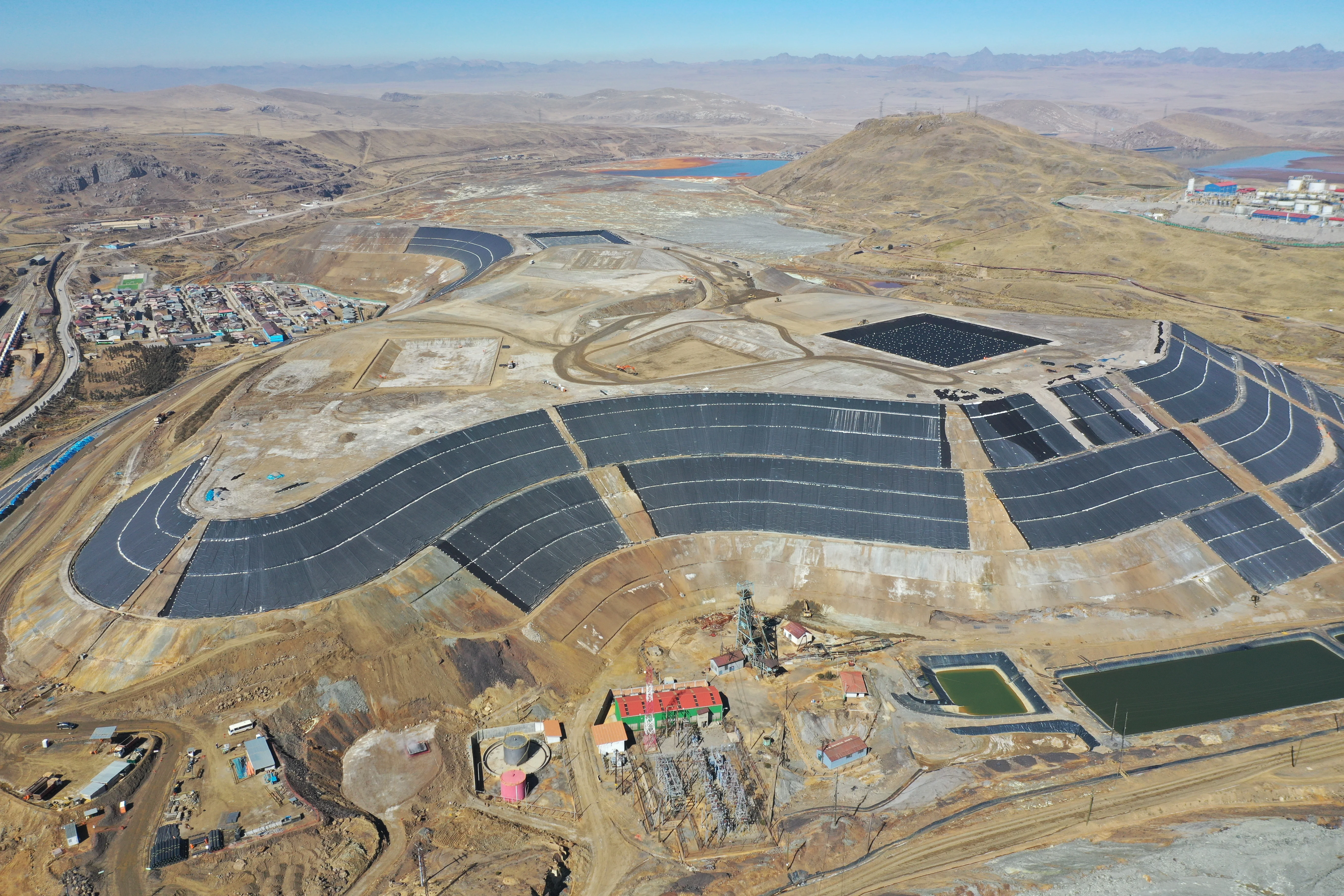
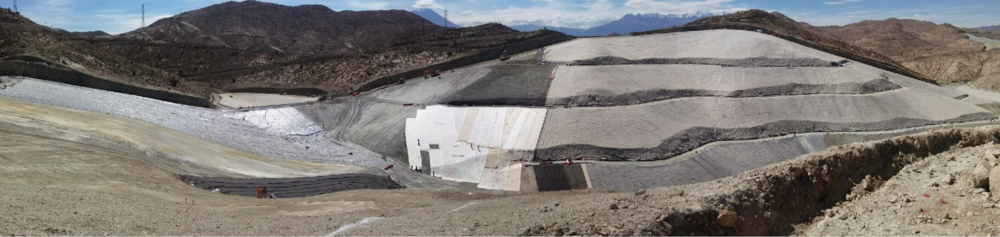
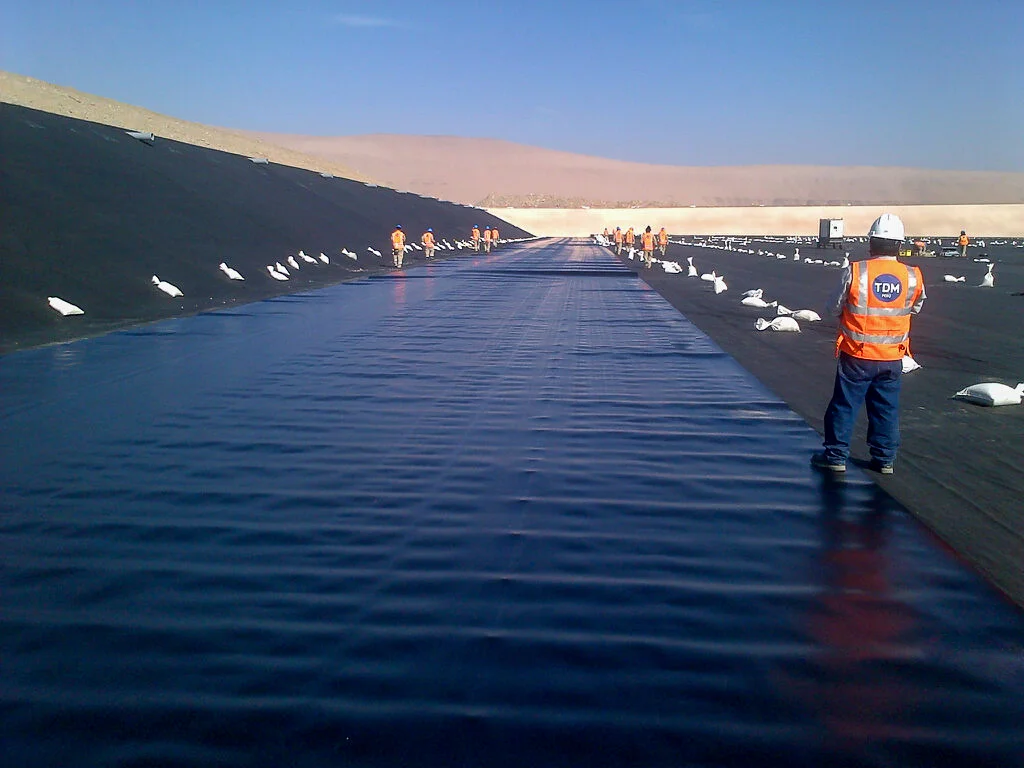
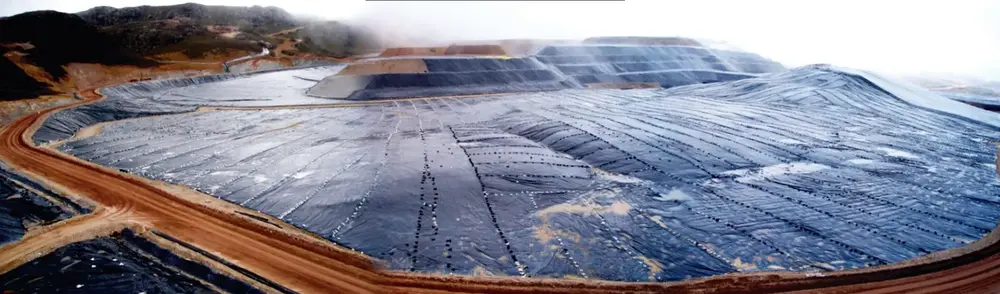
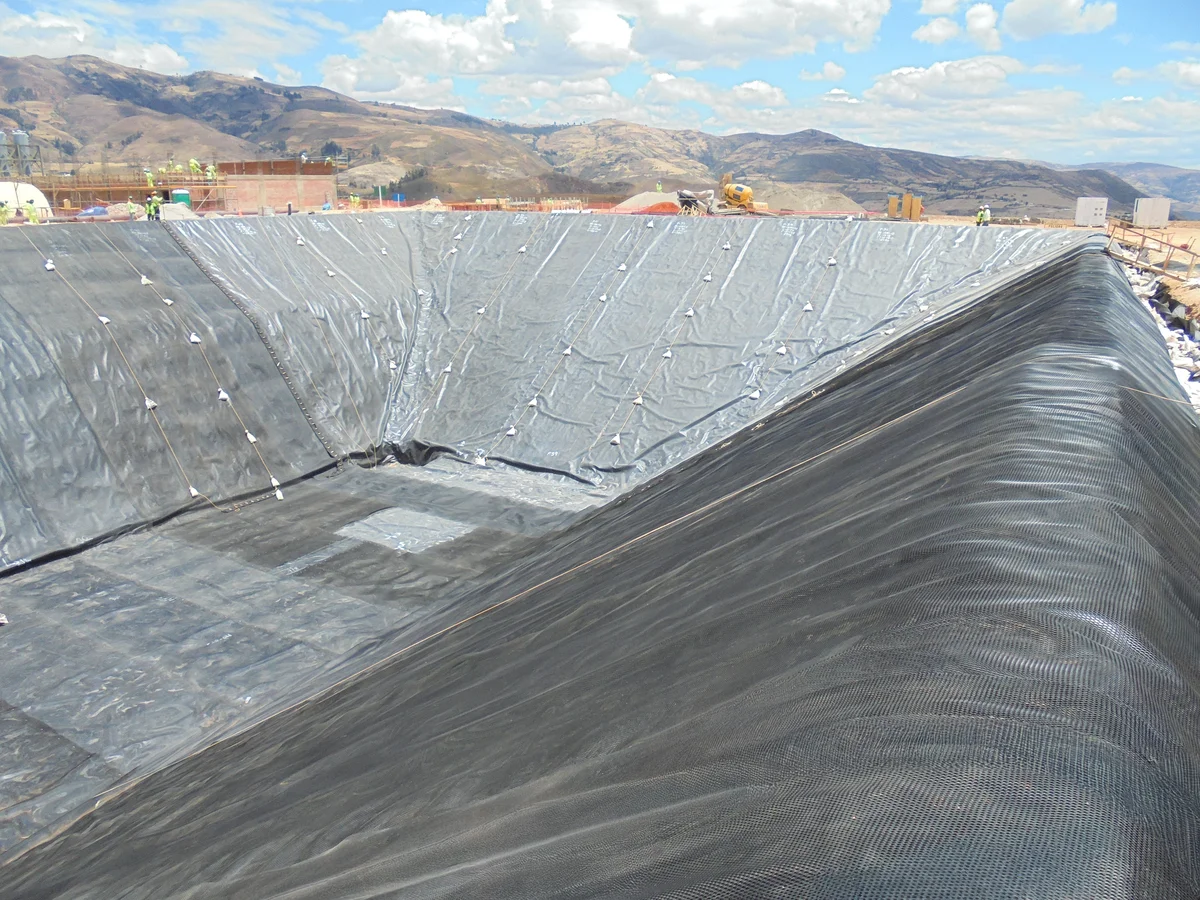
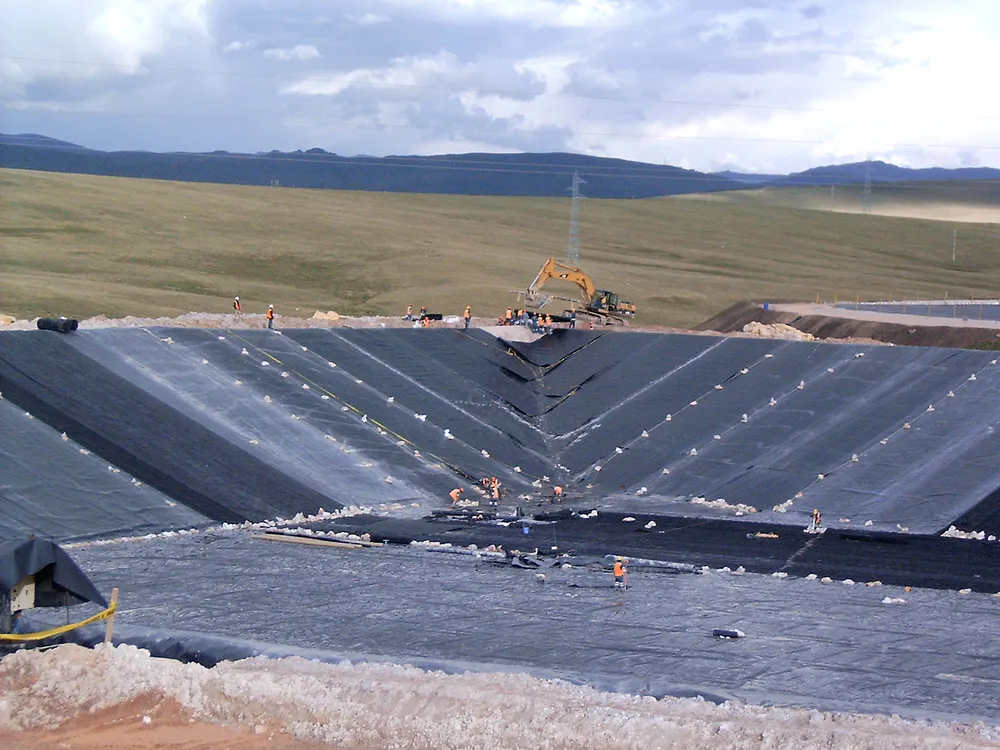
Leaching pads – Geomembranes – La Libertad, Peru.
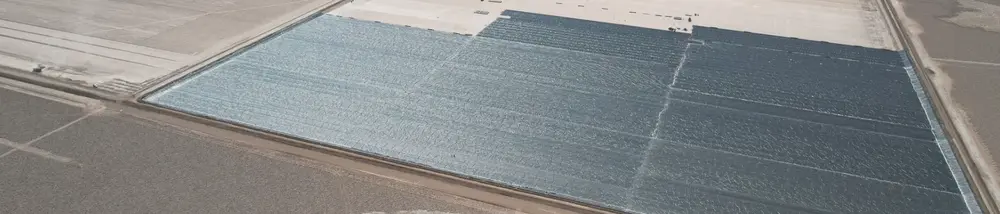
The waterproofing of the Lagunas Norte leach pad has completed Phase 2, a project TDM has been carrying out since Phase 0. The total ore volume at the end of...
We were at Arminera, one of the most important events in the Argentine mining sector, presenting our engineering solutions with geosynthetics, applied to the main challenges of mining projects. We...
The waterproofing of the Lagunas Norte leach pad has completed Phase 2, a project TDM has been carrying out since Phase 0. The total ore volume at the end of...
We were at Arminera, one of the most important events in the Argentine mining sector, presenting our engineering solutions with geosynthetics, applied to the main challenges of mining projects. We...