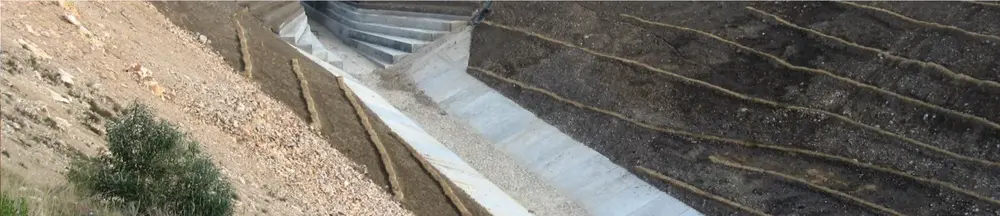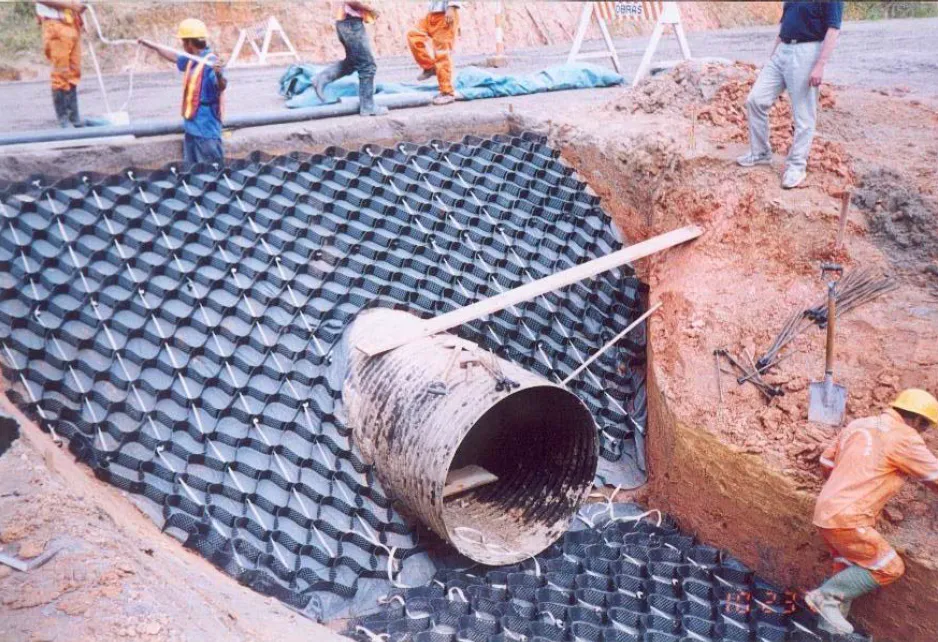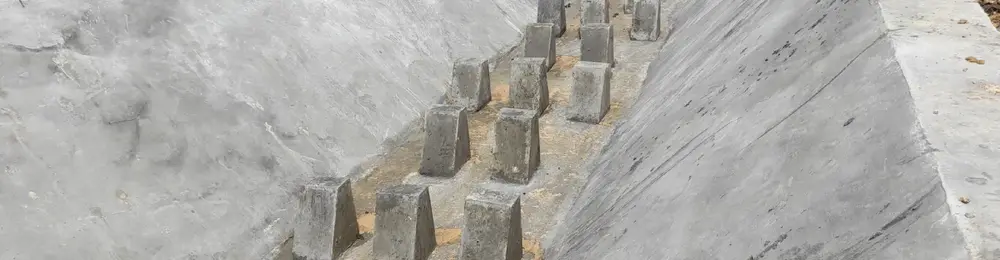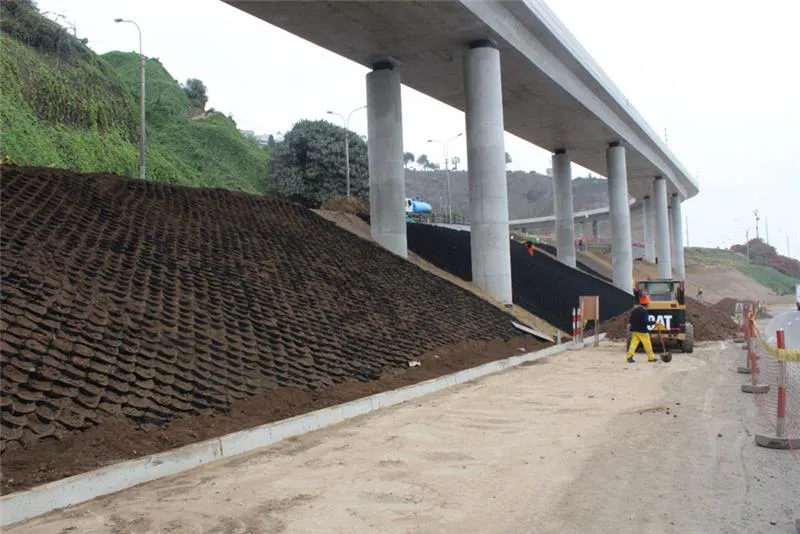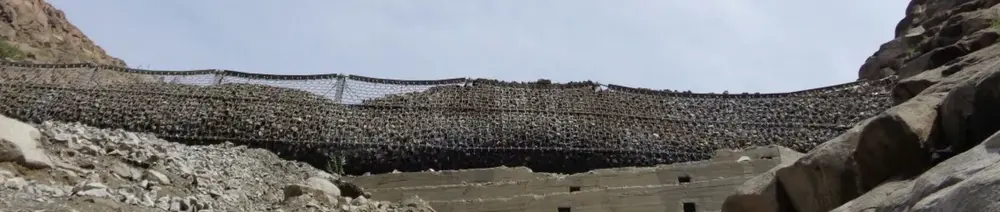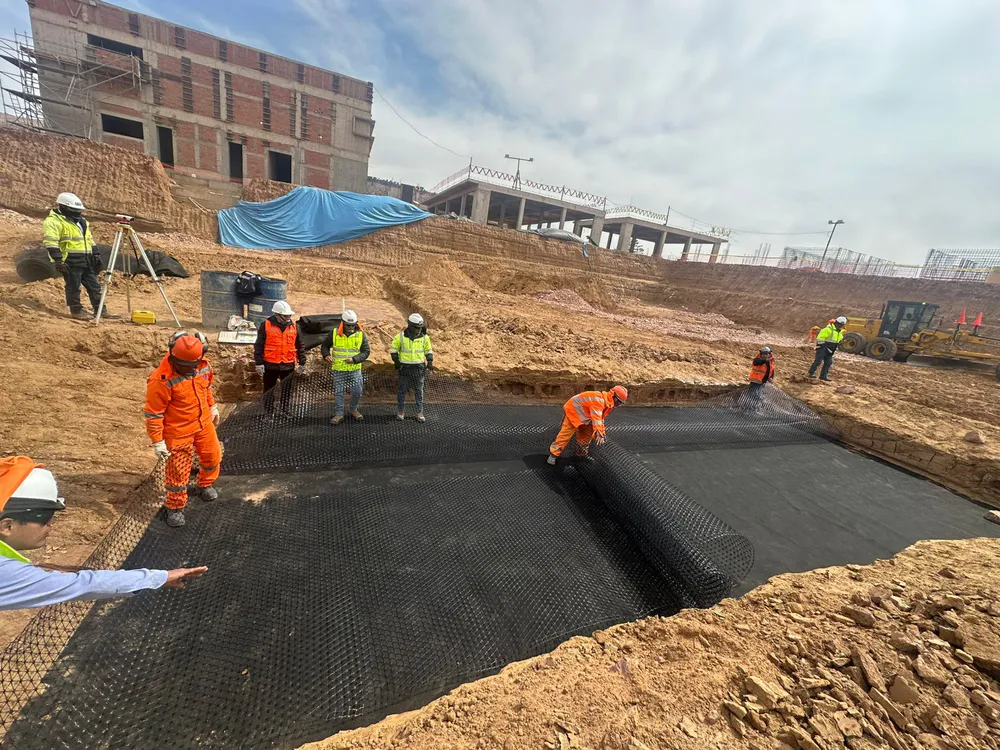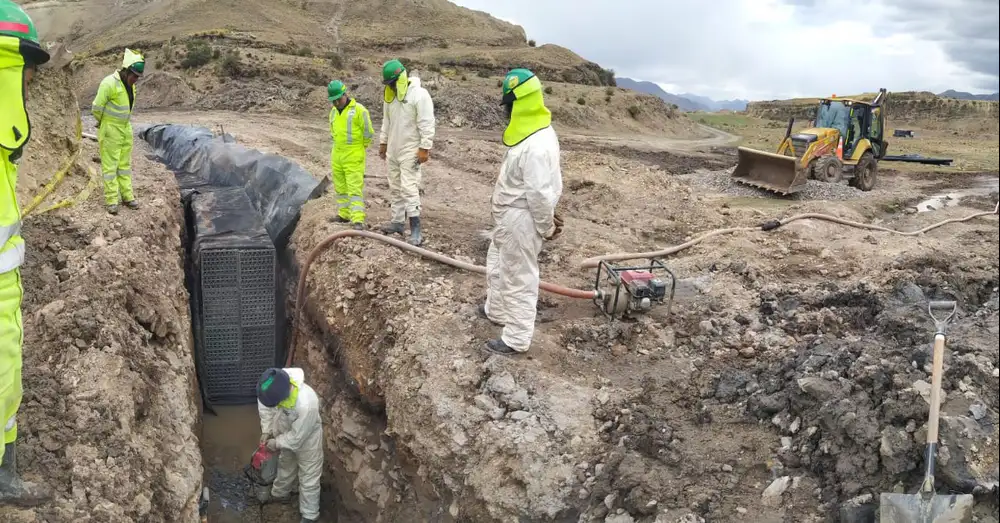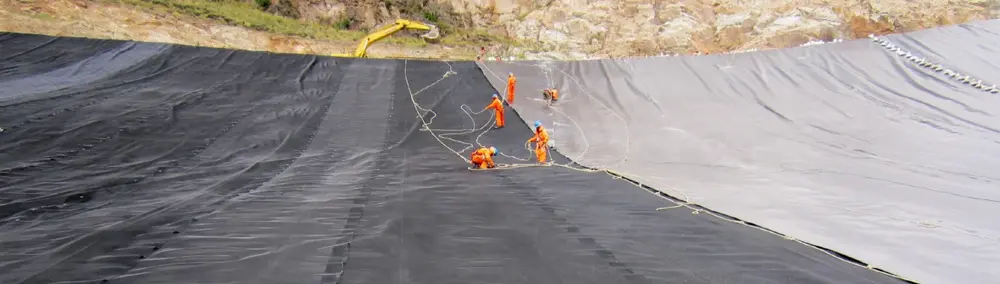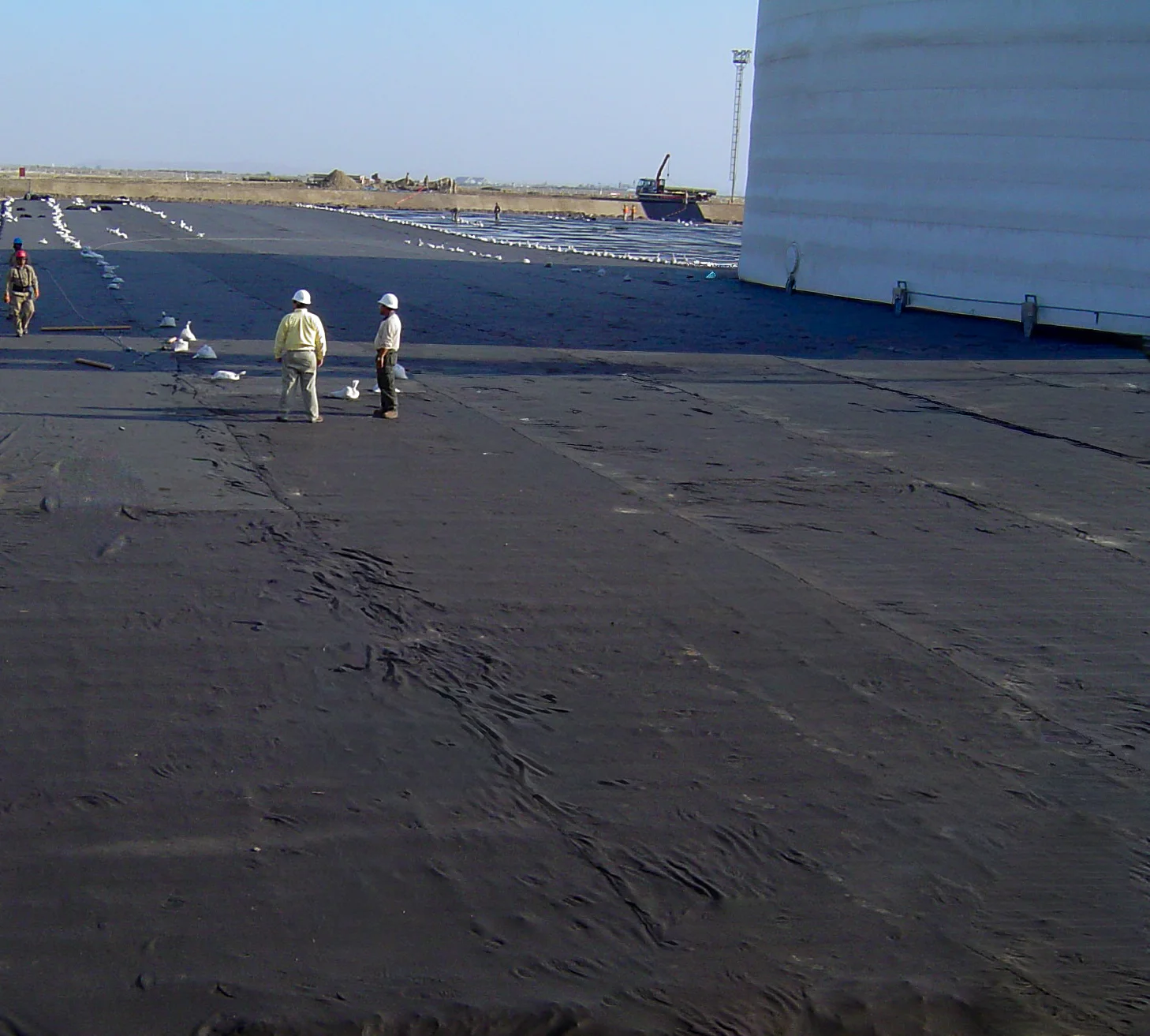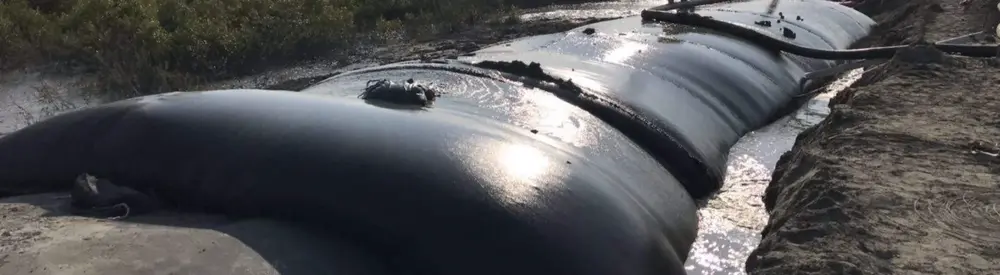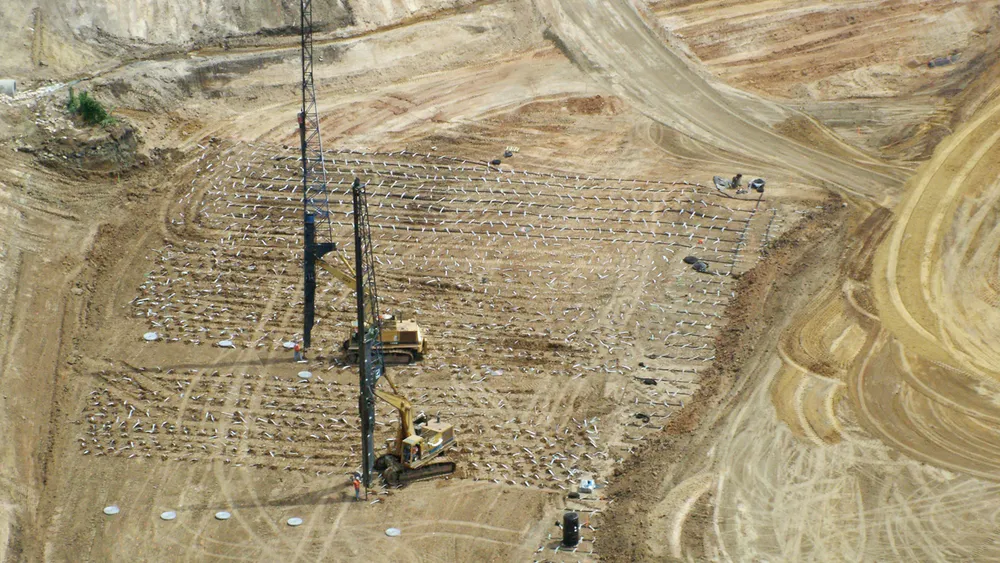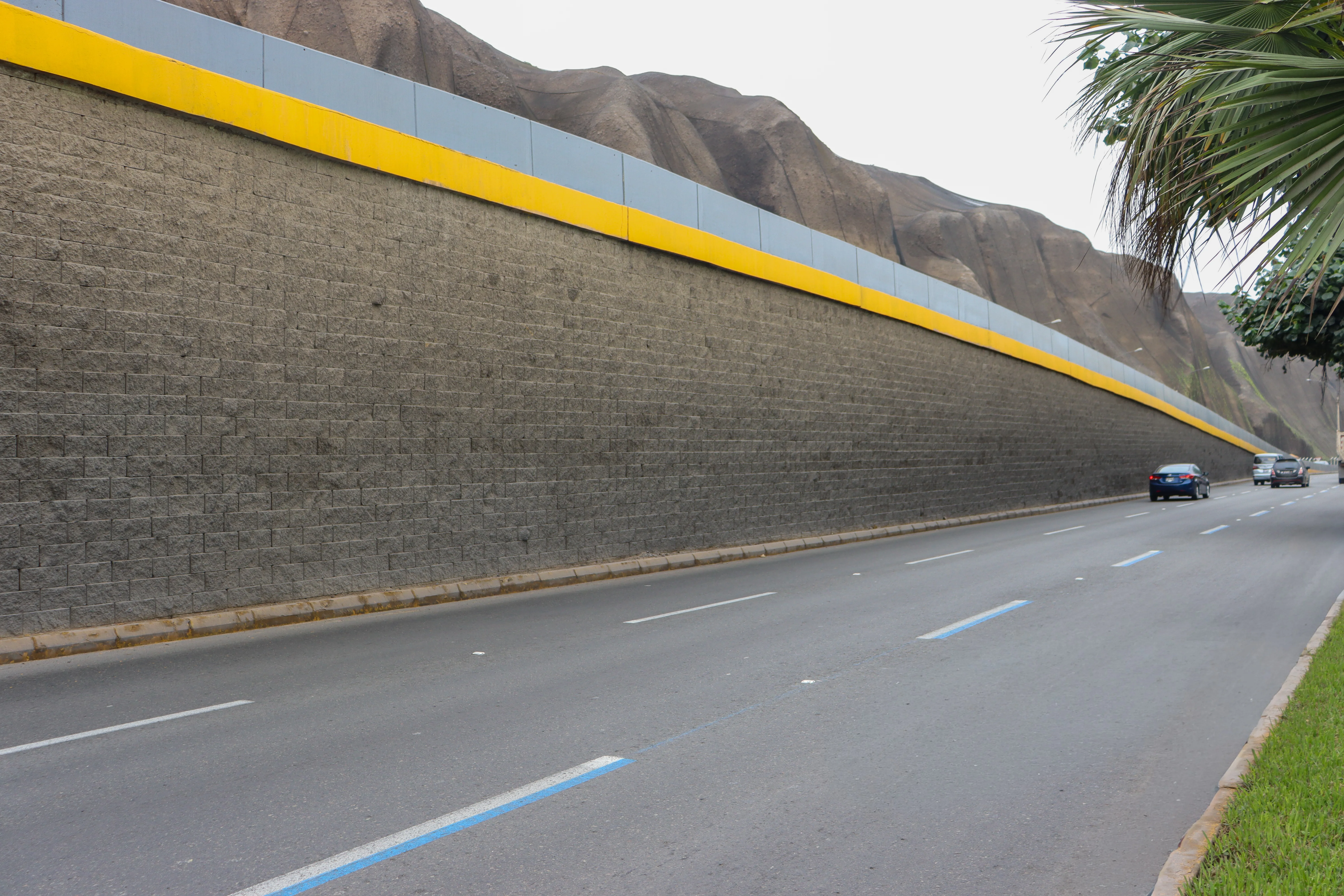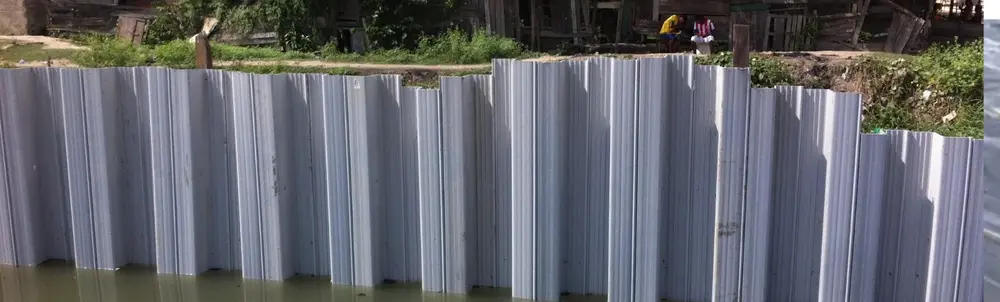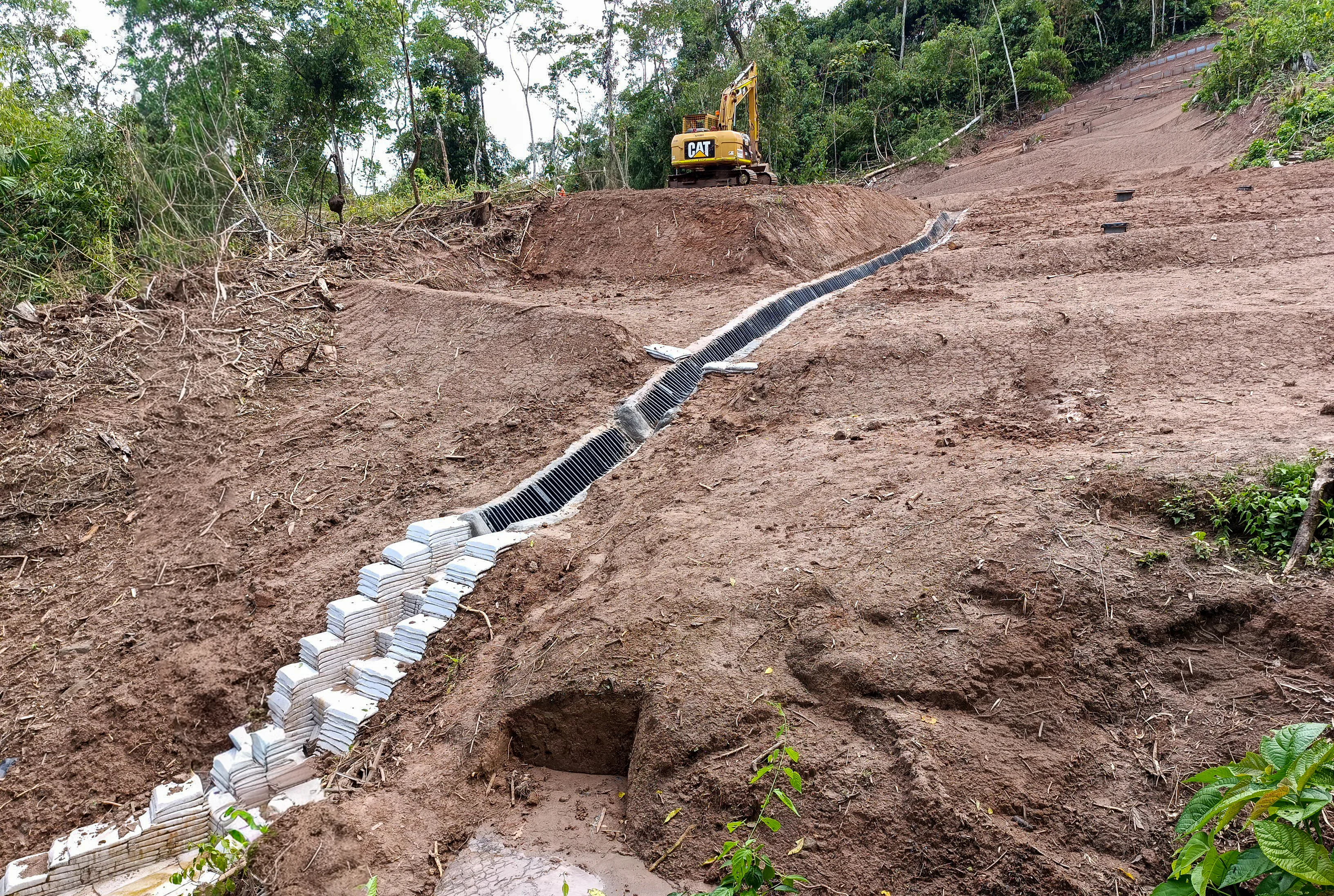


The project presented unfavorable geotechnical conditions: foundation soils comprised of anthropogenic fills with a high probability of uncontrollable settlement and low shear strength. These characteristics compromised structural stability and represented a critical risk to the safe development of the project.
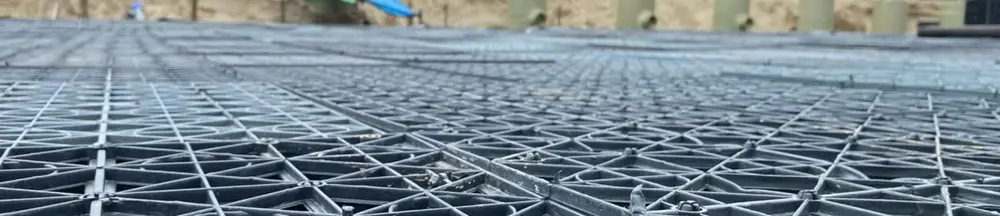
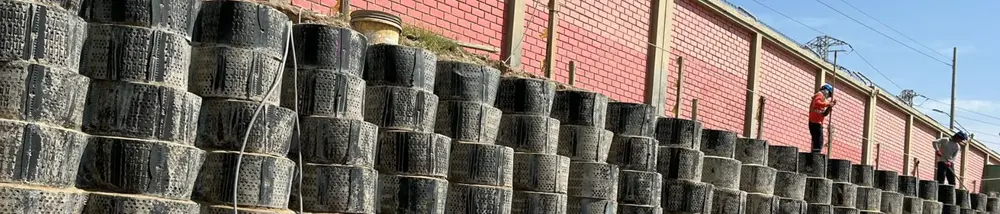
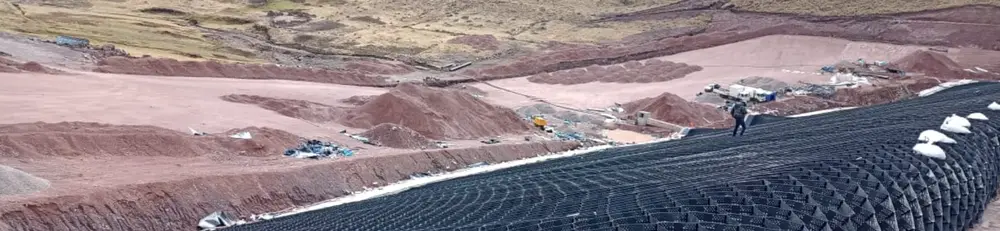
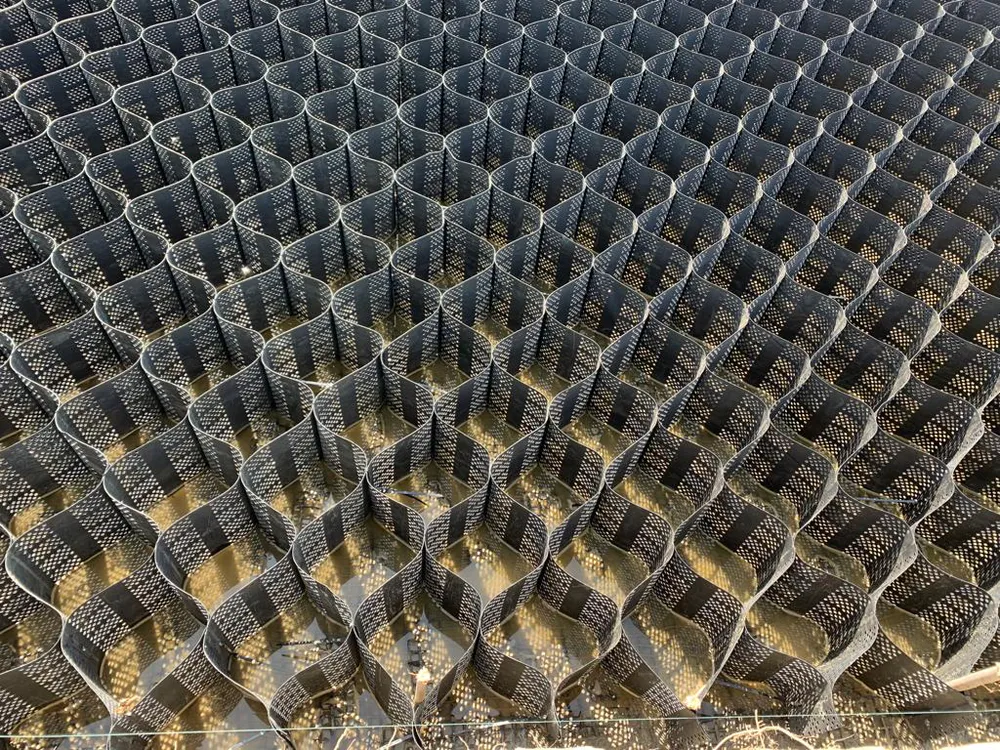
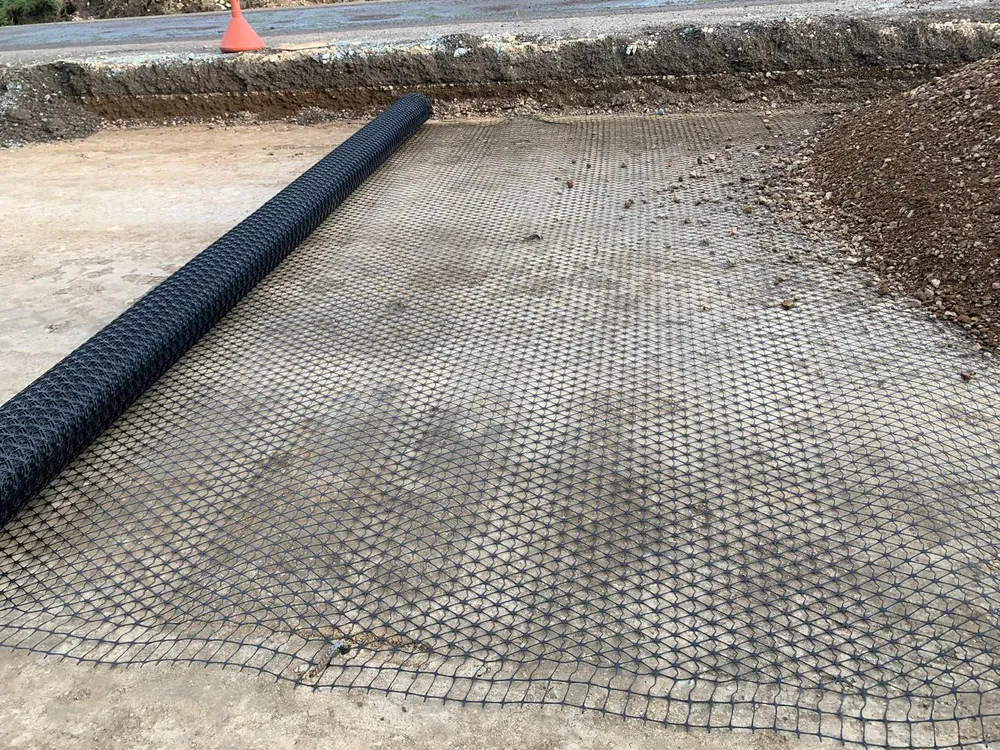
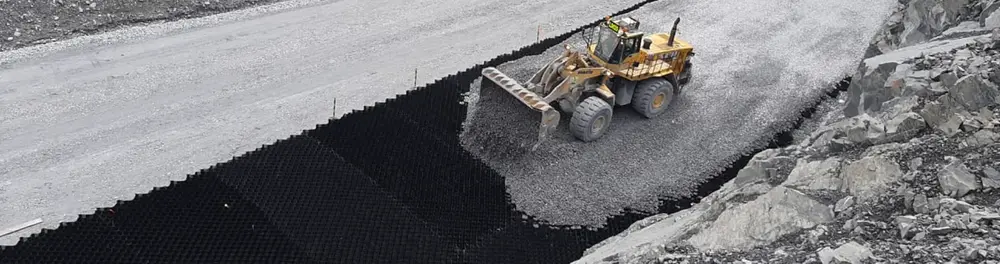
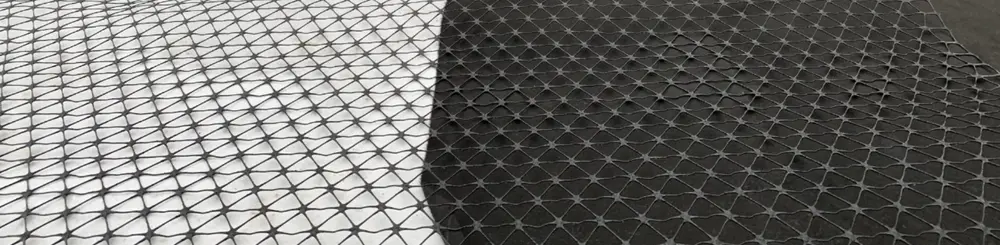
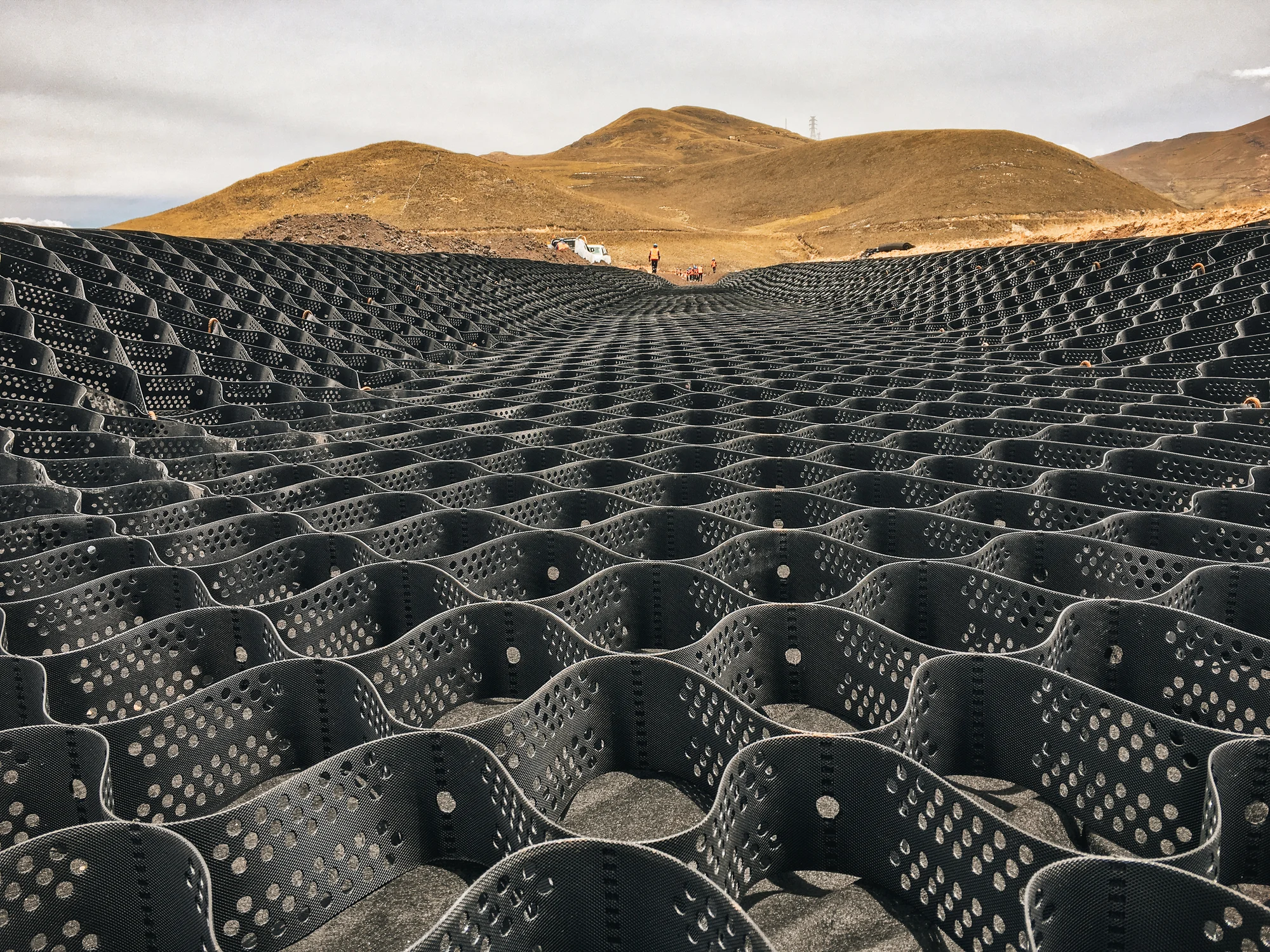
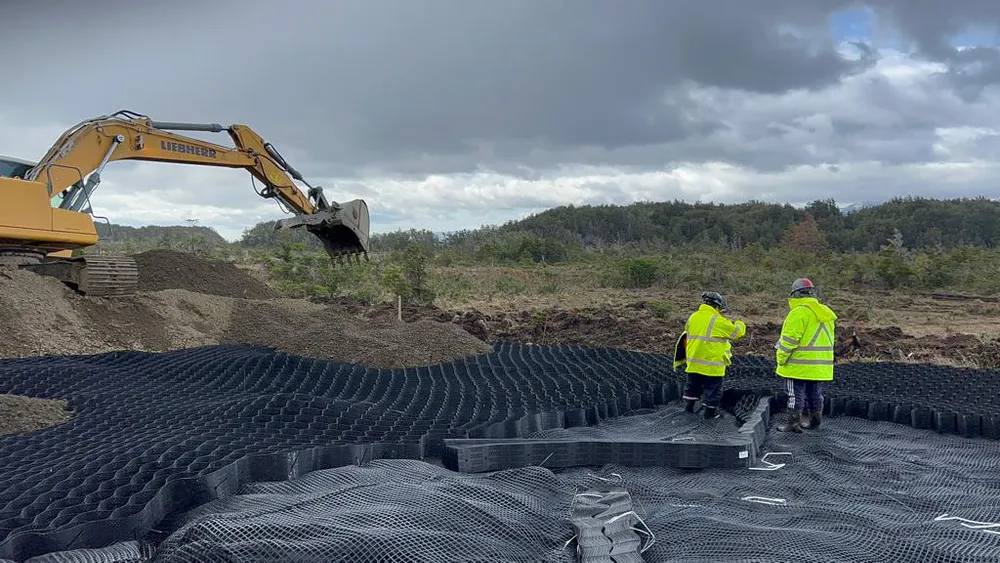
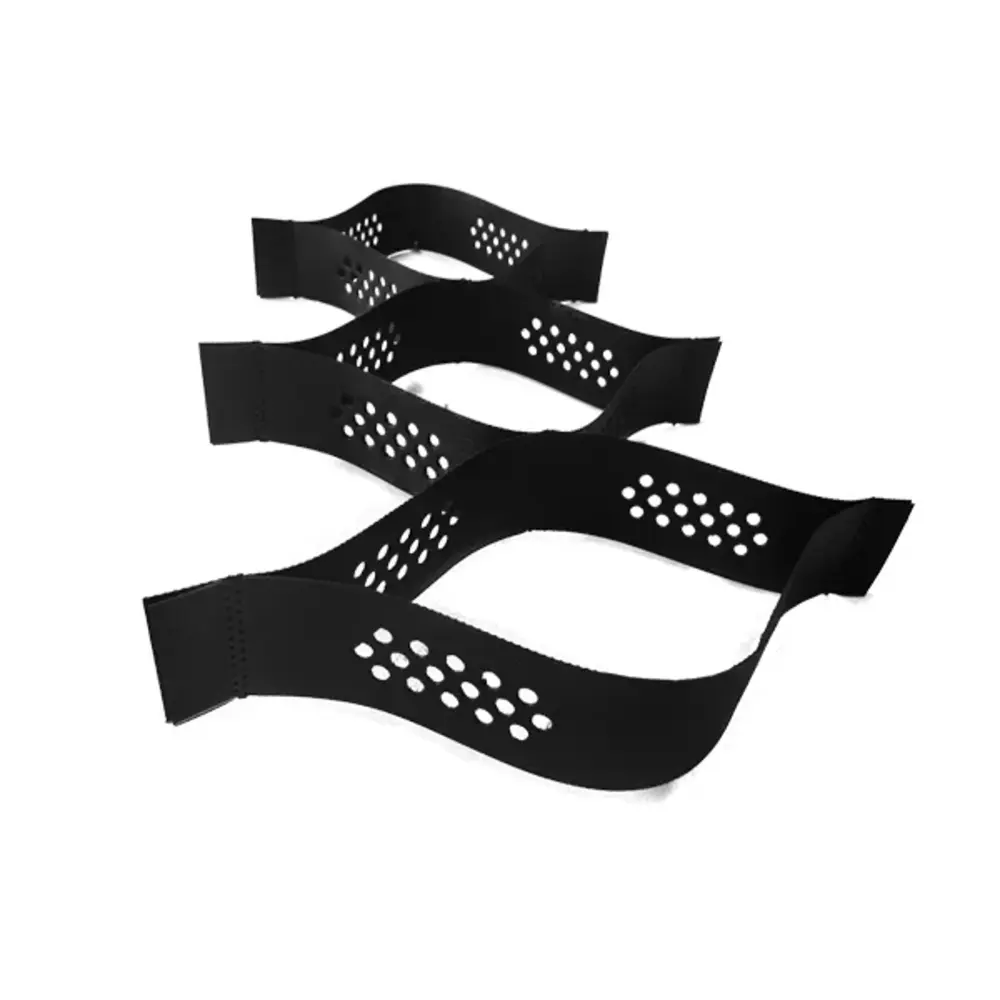
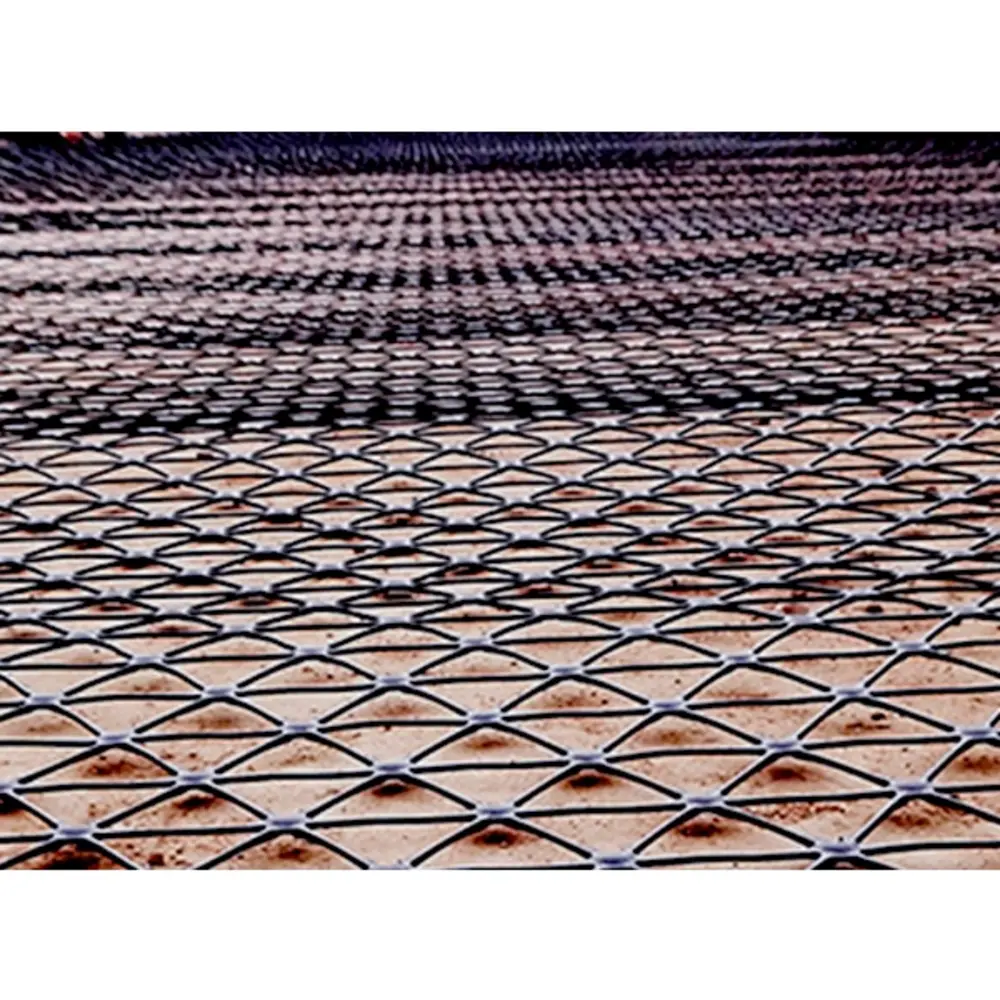
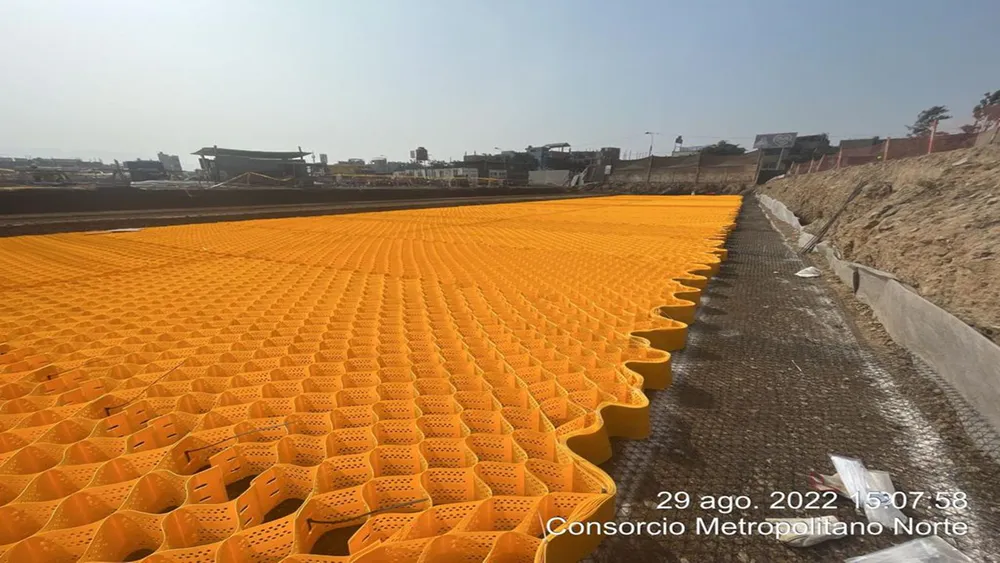
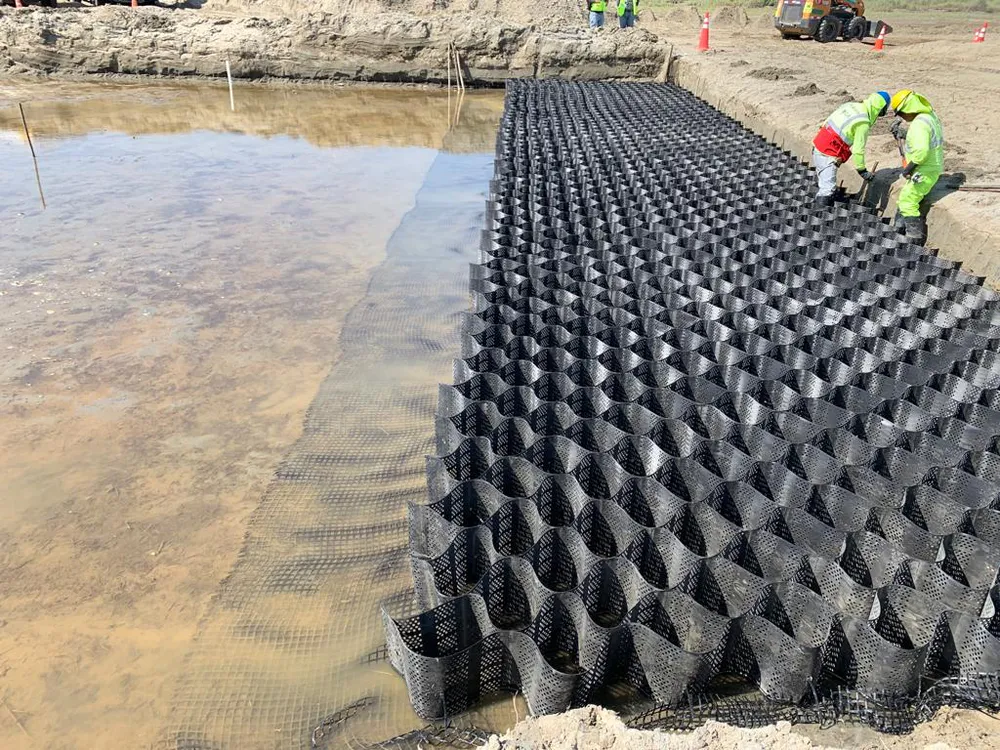
Therefore, as a technical solution, a reinforced working platform was built using geosynthetic systems, integrating multiaxial extruded rigid geogrids in combination with high-performance HDPE geocells. This configuration significantly improved load distribution and controlled settlements, ensuring optimal conditions for project execution.
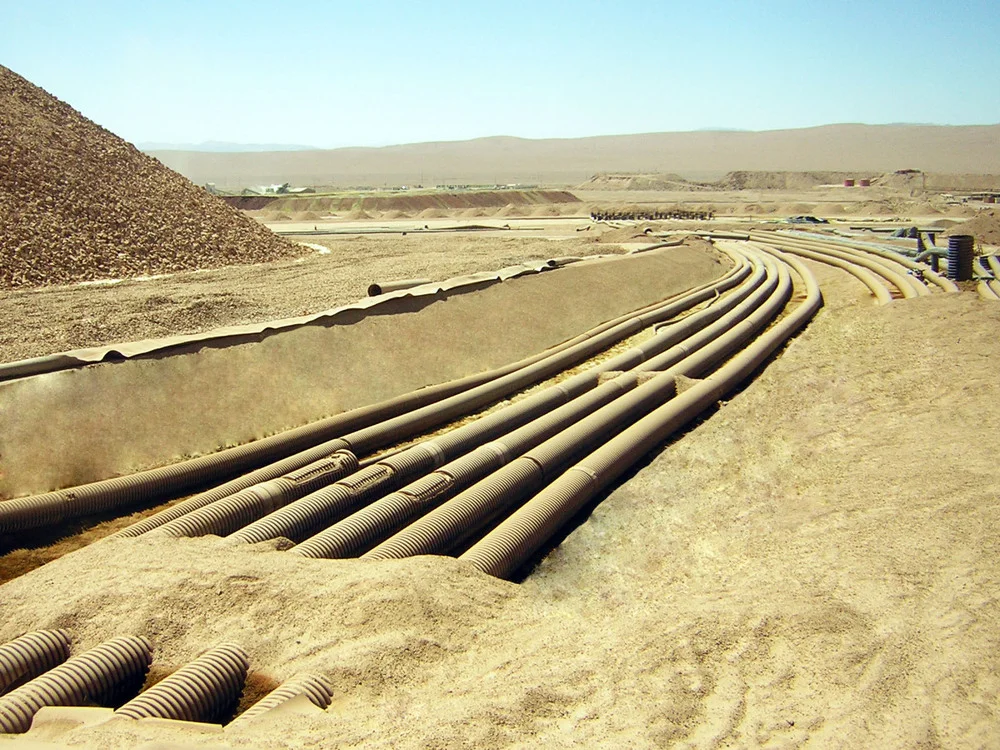
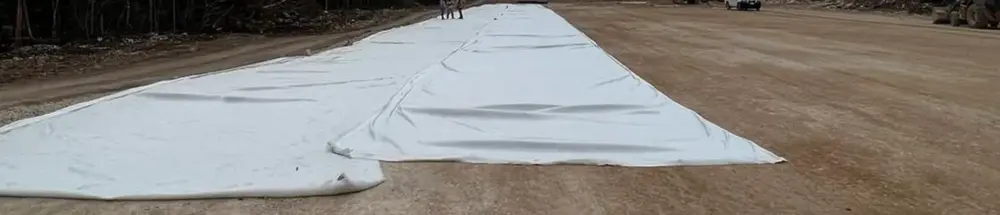
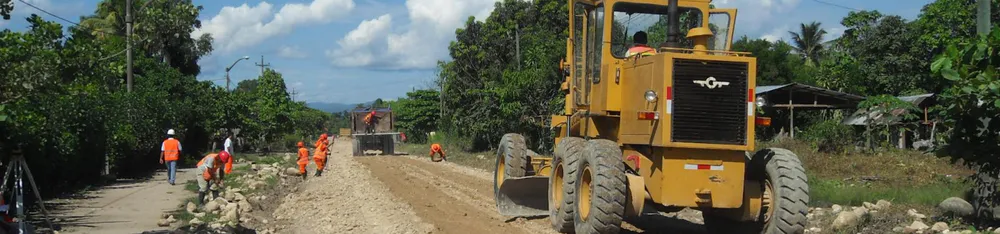
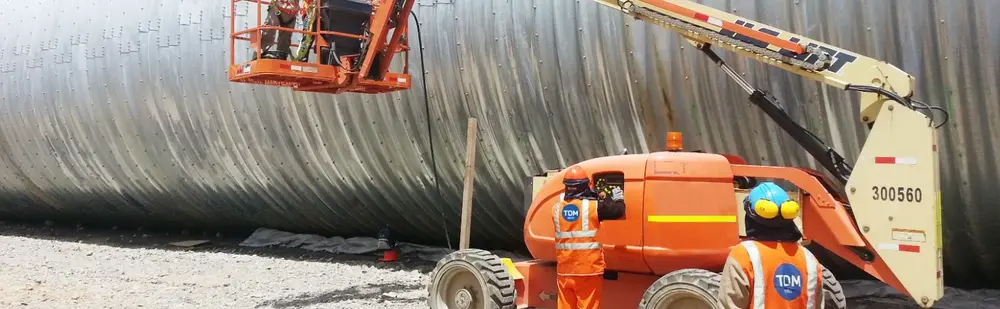
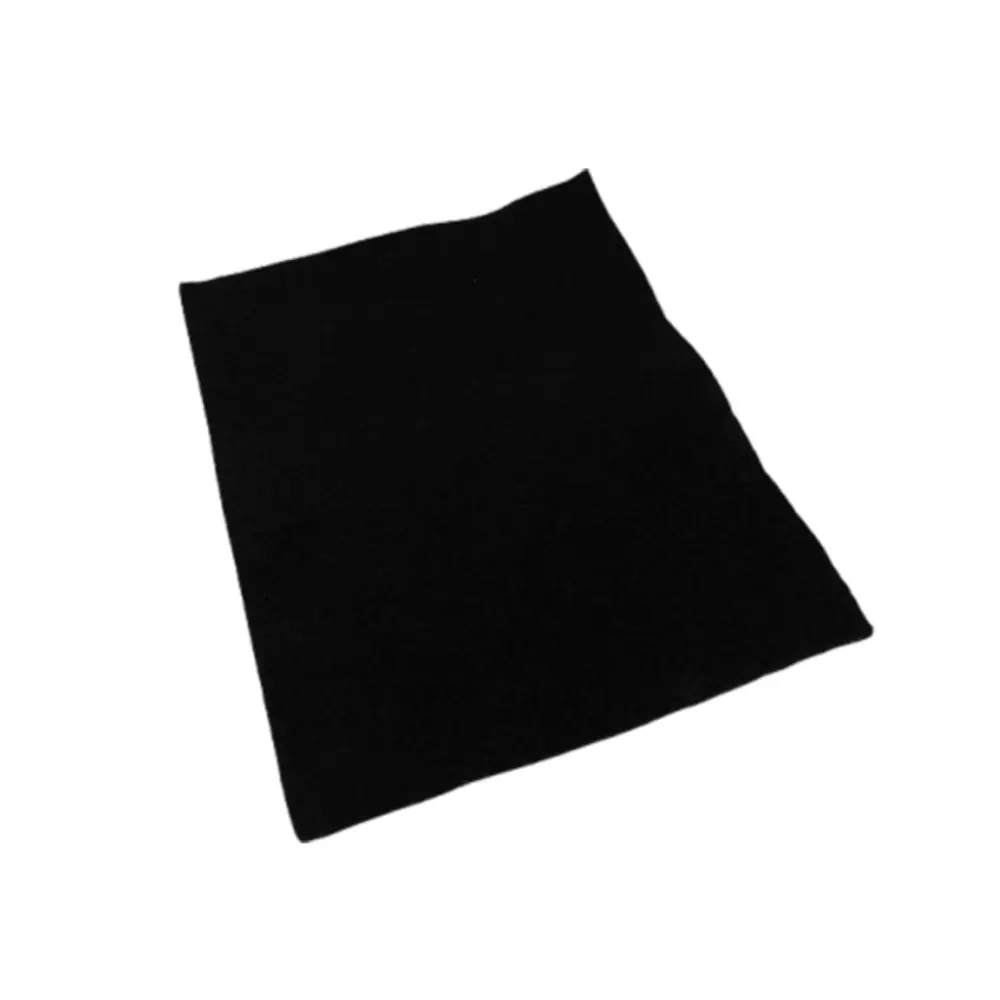
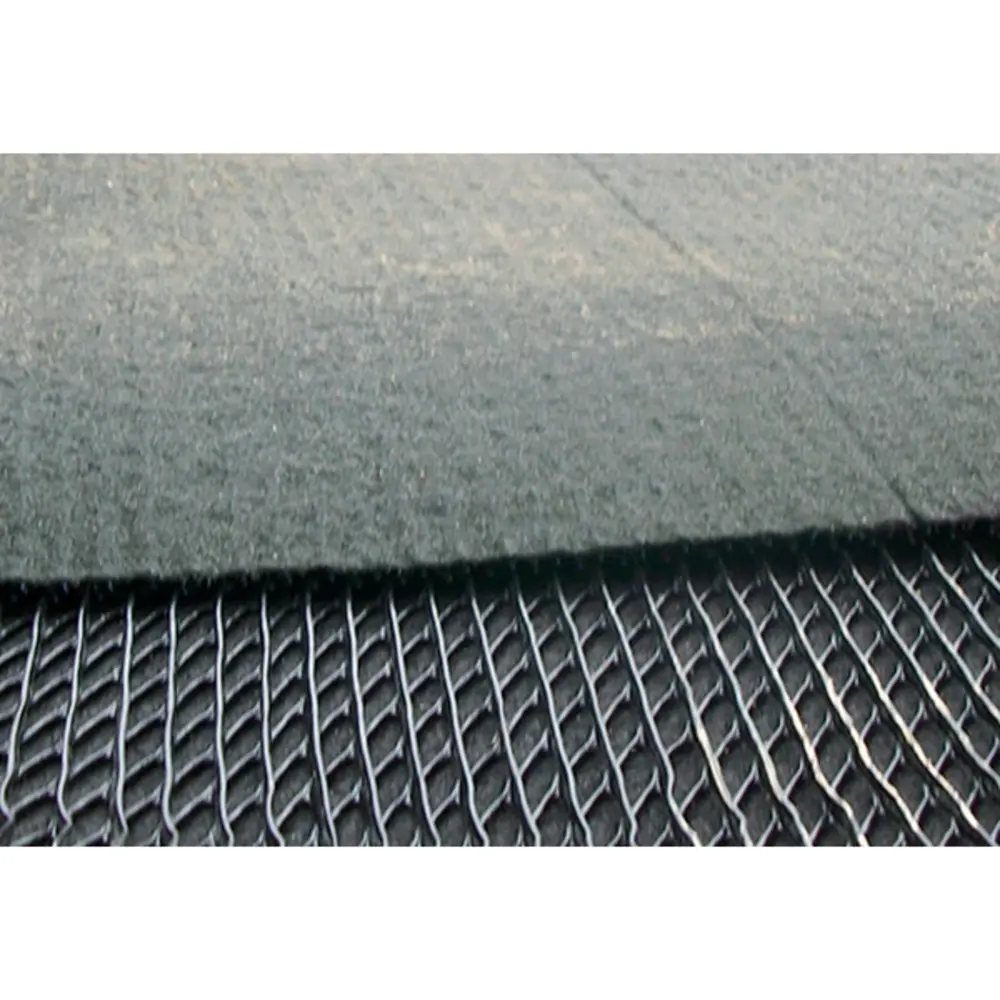
To mitigate these limitations, a reinforcement system composed of granular drainage material combined with geosynthetics was implemented, integrating a nonwoven geotextile, geogrid, and an HDPE geocell. This solution allowed for efficient load distribution, improved drainage, and increased ground-bearing capacity, optimizing the road’s structural performance from the construction stage.
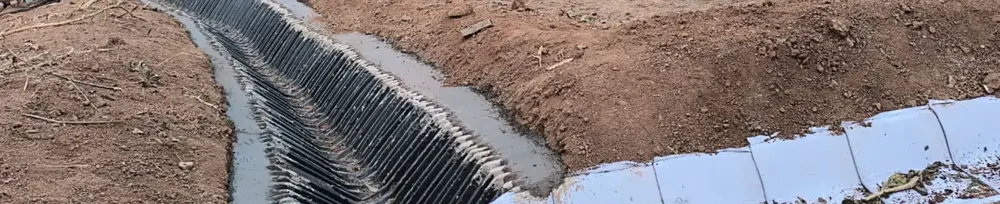
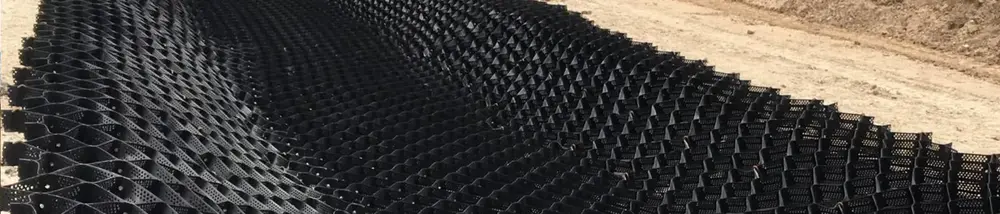
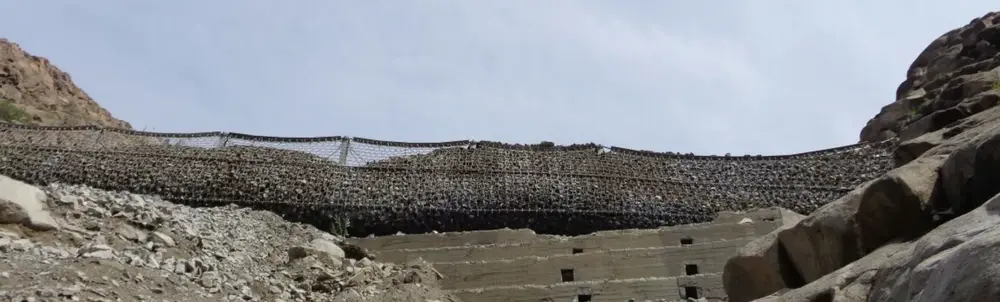
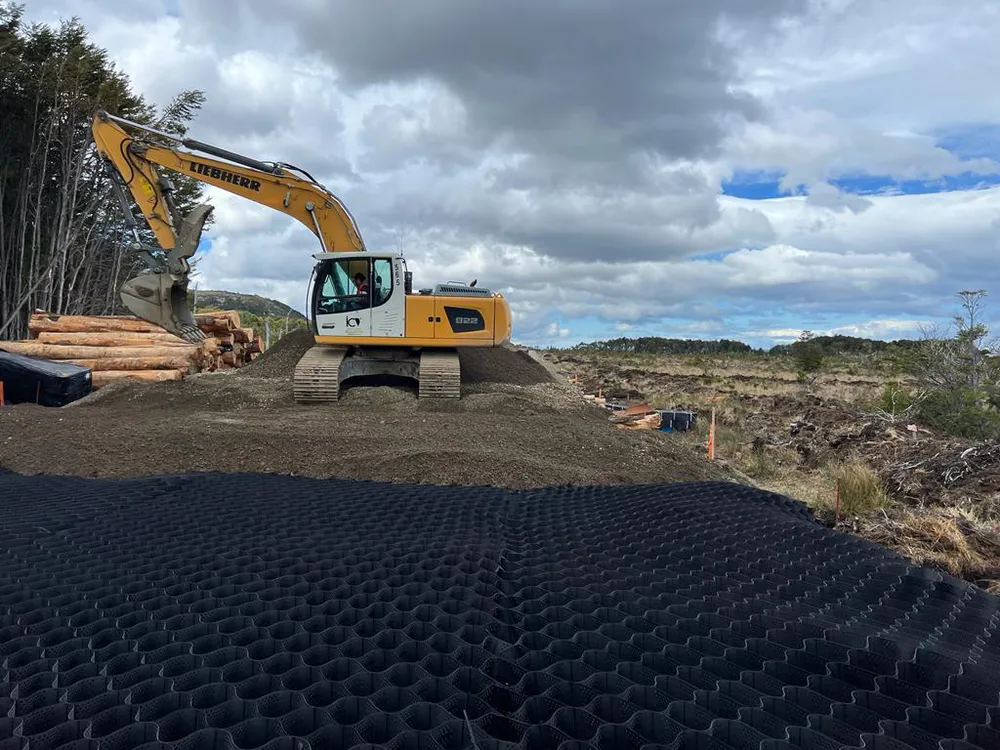
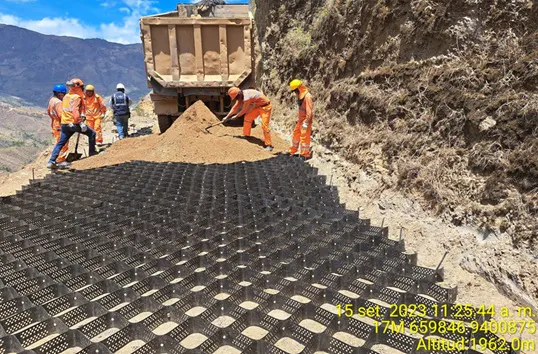
To address this issue, a geosynthetic-based solution was applied using HDPE geocells, significantly reducing the required reinforcement thickness and achieving an optimal balance between technical performance and construction efficiency.
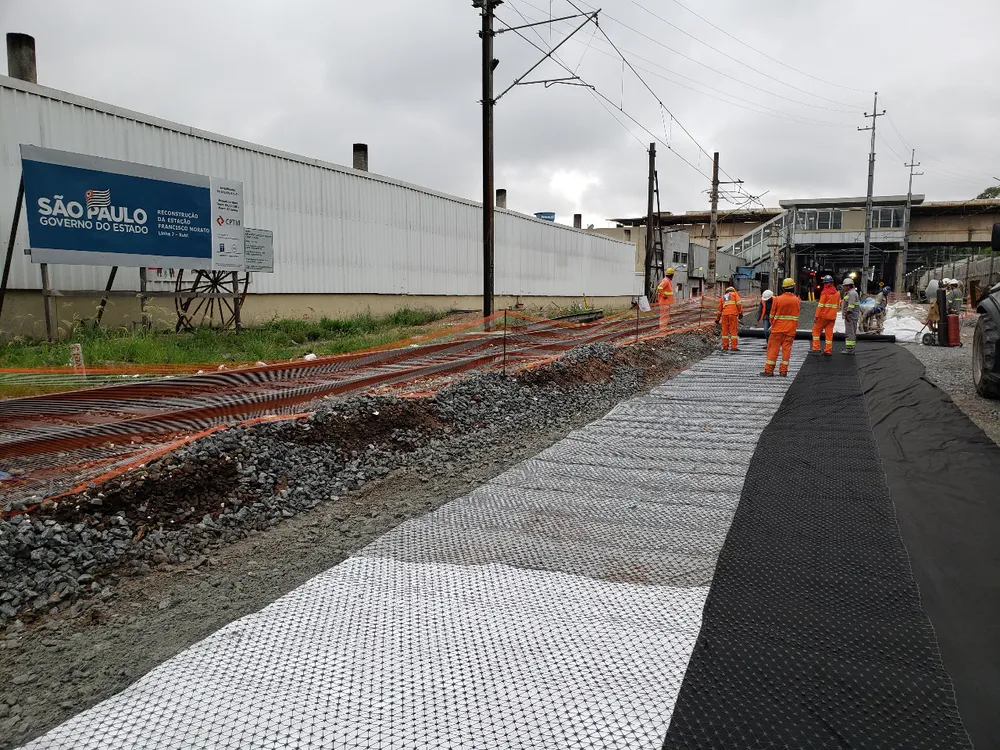
This solution increased the rigidity of the new ballast on the subgrade, improving load distribution and ensuring a more stable and durable platform for railway operations.
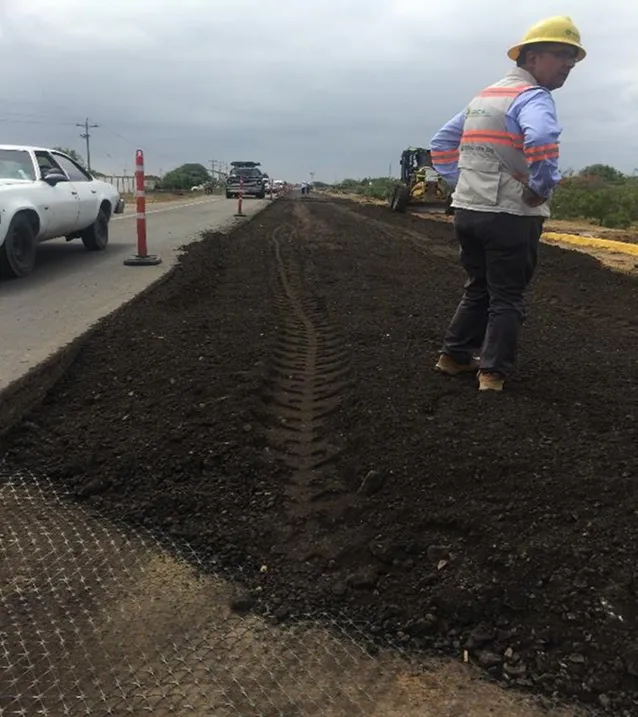
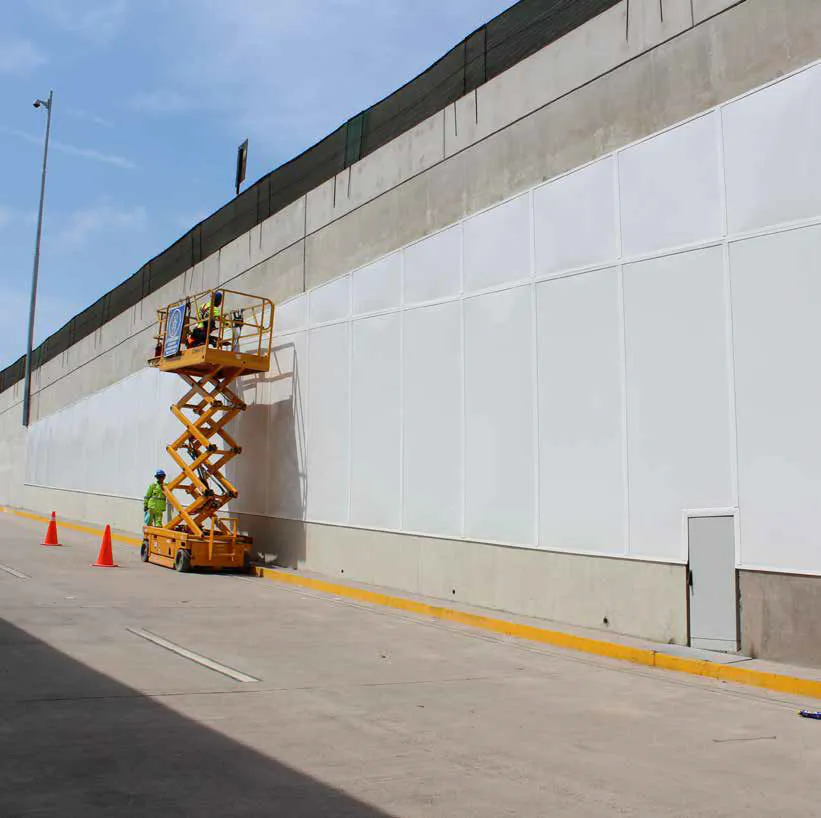
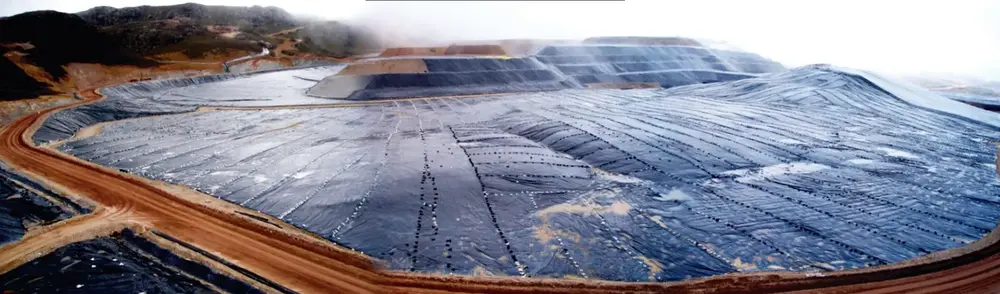
The project presented a critical technical challenge: the presence of soft, oversaturated soils in the area where the planned levee will be placed, on which fill material will be placed. This condition prevented the required density to ensure greater shear resistance, thus compromising the levee’s stability and structural performance during its operational phase.
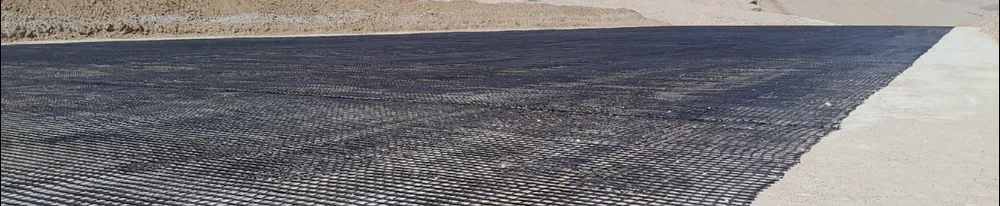
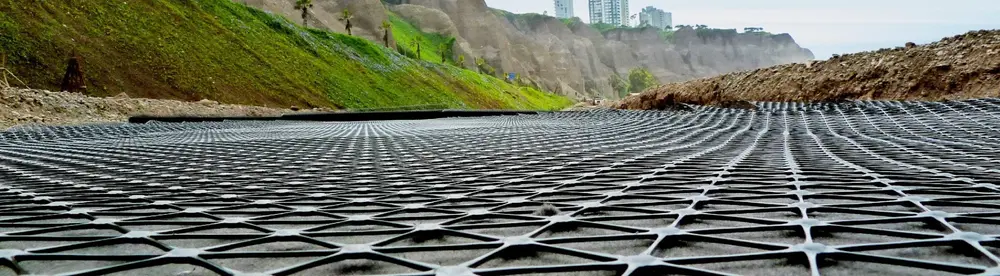
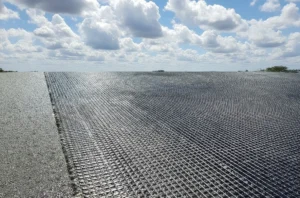
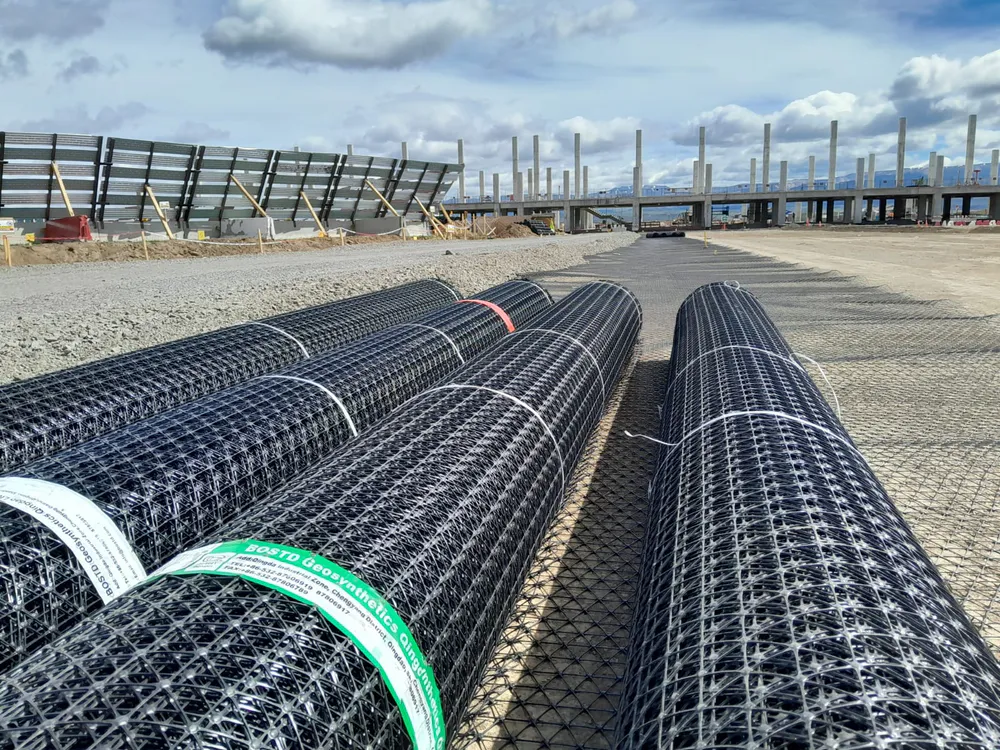
To address this limitation, a subgrade improvement was implemented using geosynthetics, incorporating a T-6 multiaxial rigid geogrid, which increased the shear strength of the soil and controlled rutting, thus optimizing the performance of the designed rigid pavement.
The project presented unfavorable geotechnical conditions: foundation soils comprised of anthropogenic fills with a high probability of uncontrollable settlement and low shear strength. These characteristics compromised structural stability and represented a critical risk to the safe development of the project.
Therefore, as a technical solution, a reinforced working platform was built using geosynthetic systems, integrating multiaxial extruded rigid geogrids in combination with high-performance HDPE geocells. This configuration significantly improved load distribution and controlled settlements, ensuring optimal conditions for project execution.
To mitigate these limitations, a reinforcement system composed of granular drainage material combined with geosynthetics was implemented, integrating a nonwoven geotextile, geogrid, and an HDPE geocell. This solution allowed for efficient load distribution, improved drainage, and increased ground-bearing capacity, optimizing the road’s structural performance from the construction stage.
To address this issue, a geosynthetic-based solution was applied using HDPE geocells, significantly reducing the required reinforcement thickness and achieving an optimal balance between technical performance and construction efficiency.
This solution increased the rigidity of the new ballast on the subgrade, improving load distribution and ensuring a more stable and durable platform for railway operations.
The project presented a critical technical challenge: the presence of soft, oversaturated soils in the area where the planned levee will be placed, on which fill material will be placed. This condition prevented the required density to ensure greater shear resistance, thus compromising the levee’s stability and structural performance during its operational phase.
To address this limitation, a subgrade improvement was implemented using geosynthetics, incorporating a T-6 multiaxial rigid geogrid, which increased the shear strength of the soil and controlled rutting, thus optimizing the performance of the designed rigid pavement.
Our team of experts is ready to advise you and help you find the best option for your project.