



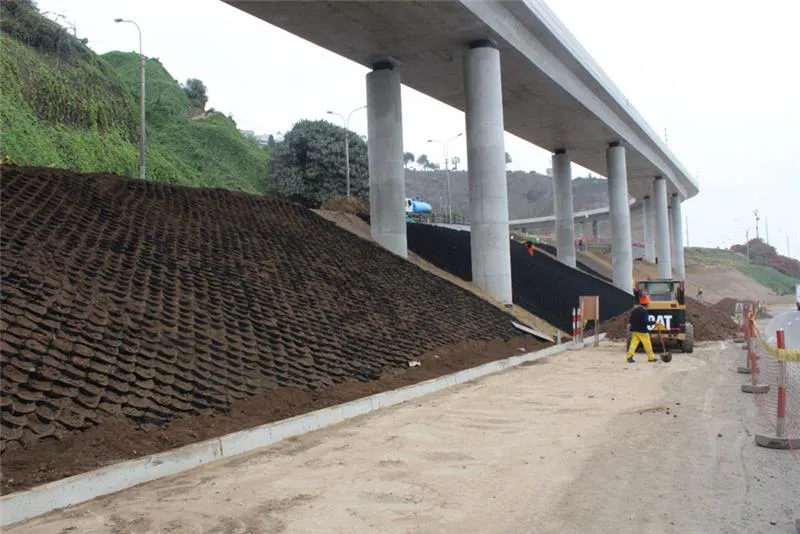










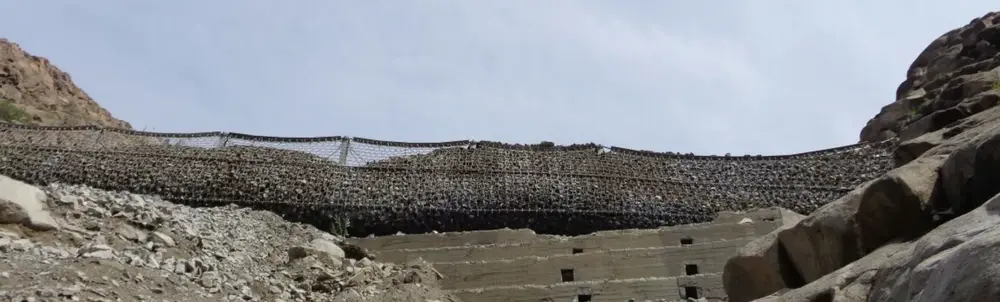
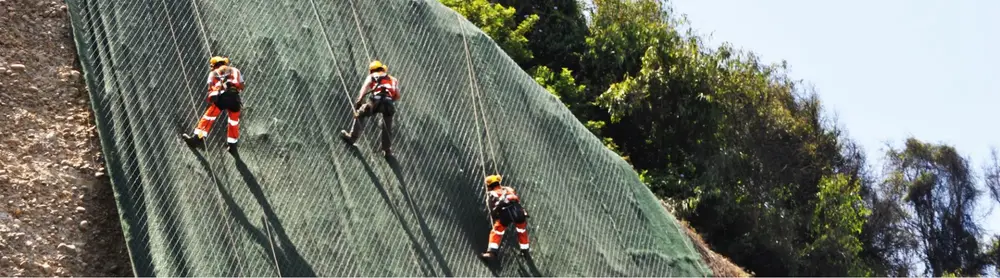



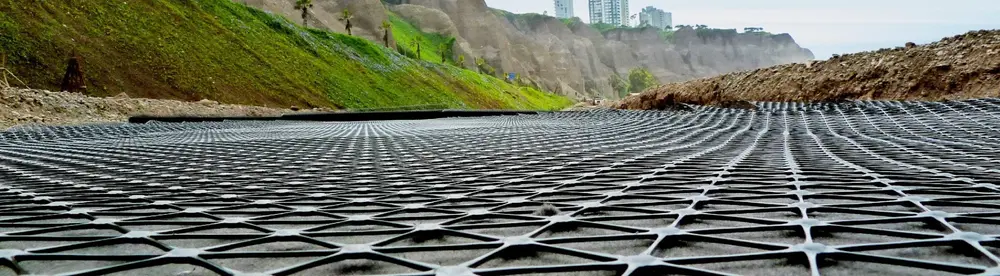


Rockfall Control – Costa Verde, Lima, Peru
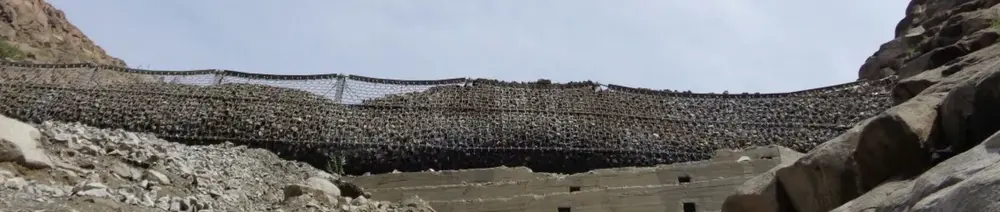
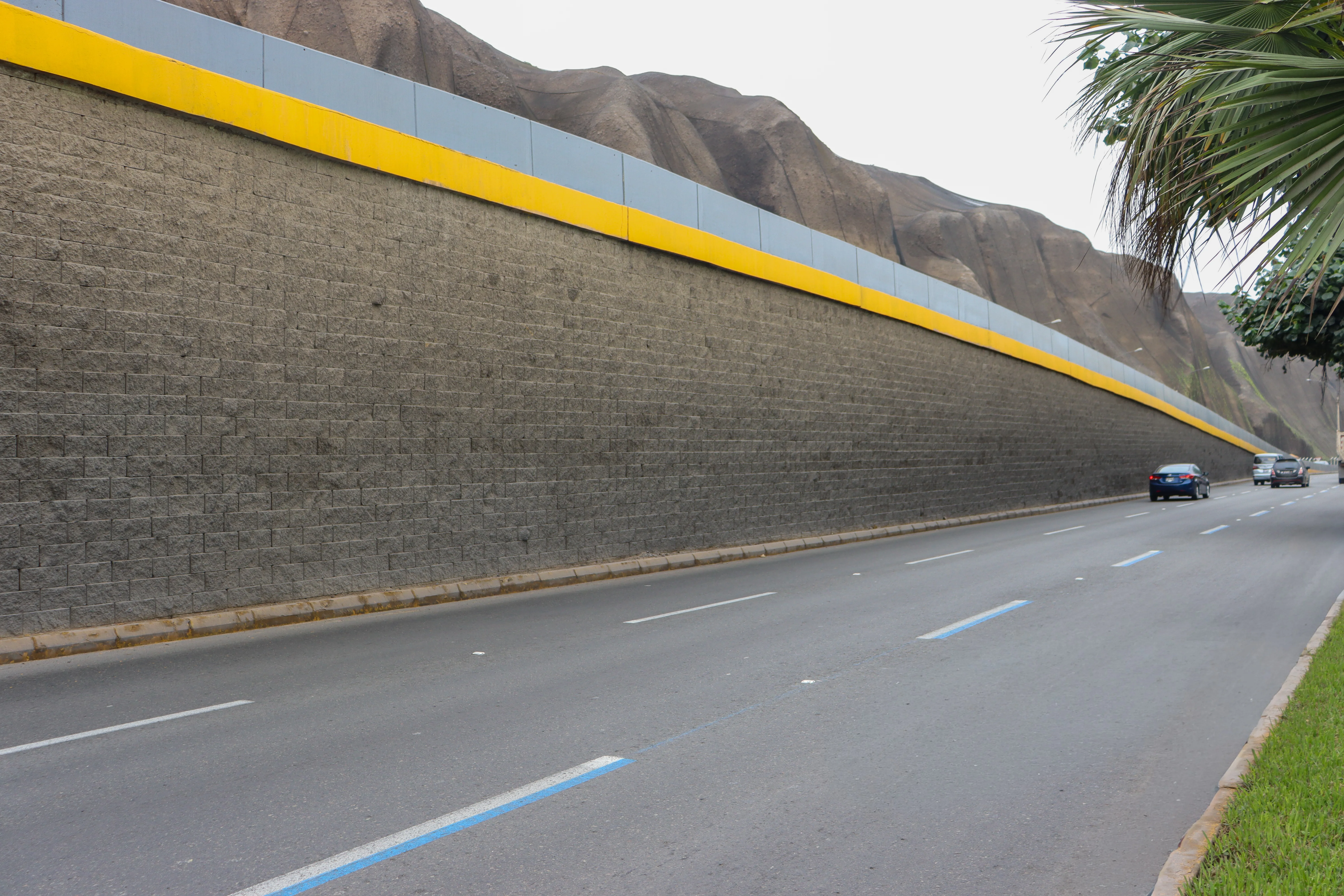
CasesThe Problem The cliffs along Lima’s Costa Verde present recurring rockfall issues affecting the coastal highway, frequently causing accidents involving...
View case
 stability and containment
The Problem
In recent years, the district of Chosica in Lima has been affected by debris flows (huaicos) generated in its ravines. In 2015 alone, nine fatalities were reported, 341 families were affected, and approximately 70% of the water supply service and 80% of the sewage network in the district were disrupted.
Given the imminent risk of recurrence of these events due to the proximity of the El Niño phenomenon, the National Water Authority (ANA) worked jointly with TDM’s Technical Department to develop an integrated solution aimed at reducing the vulnerability of the population to debris-flow events in nine prioritized ravines in the area (El Pedregal, Castilla, Huampani, Quirio, La Libertad, Rayos de Sol, La Ronda, Santo Domingo, and Carossio).
The short execution timeframe and the harsh geographical conditions were critical and decisive factors considered in the project, especially due to the imminent onset of the rainy season.
The Solution
Installation conditions and similar international experiences played a key role in the development of the project. The implemented system consisted of the installation of 22 dynamic debris-flow barriers across nine ravines in the District of Chosica. These barriers provide superior functionality, retention capacity, and structural resistance compared to traditional concrete or masonry retaining structures.
It is important to highlight that this project represents the largest debris-flow control initiative implemented in Latin America, incorporating dynamic barriers with heights of 4.00 and 6.00 meters and channel spans of up to 60.00 meters.
The assembly of the 22 structures, along with preliminary works, was completed in record time and within schedule, despite requiring engineering and construction to be carried out simultaneously under a fast-track project approach. This achievement was made possible through strong coordination among the Engineering, Technical Department, Logistics, and Construction teams of Grupo TDM.
Benefits
A dynamic debris-flow barrier is a system composed of manufacturer-defined components, designed to retain a specified volume of material generated by dynamic impacts from mixed/granular debris flows or mudflows.
The calibration of the model and the resistance of each component are verified through full-scale field tests involving naturally generated debris flows in Switzerland (Illgraben Ravine), under the supervision and approval of the WSL Swiss Federal Research Institute.
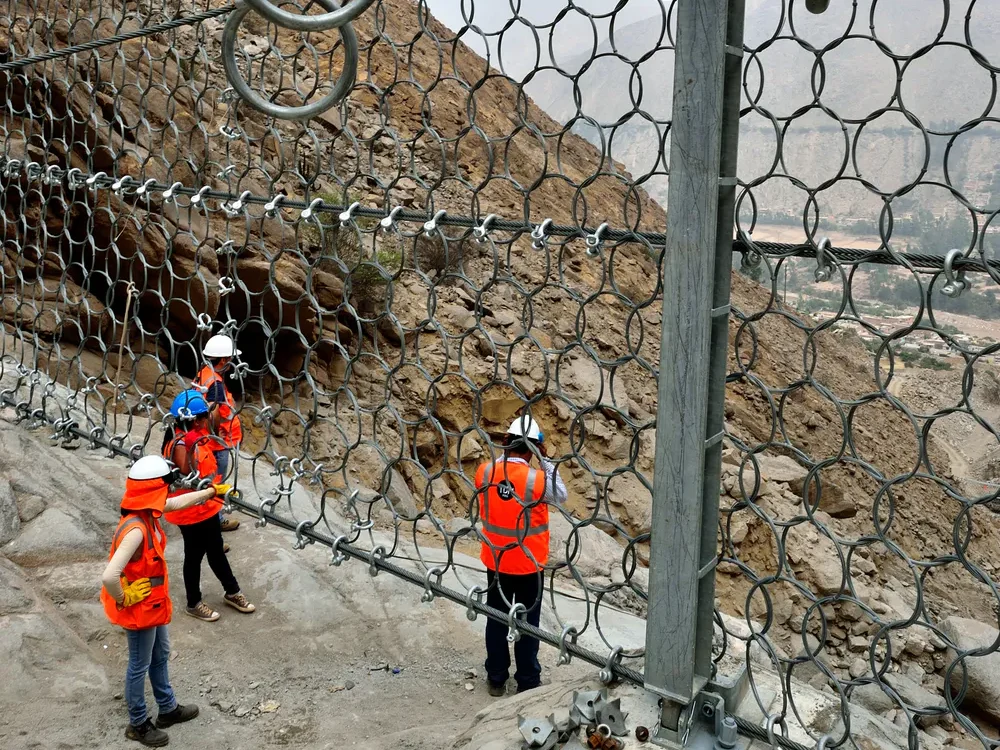
Unlike conventional rigid concrete or masonry walls, dynamic debris-flow barriers are flexible systems composed of circular steel ring nets that absorb impact energy and transfer it to the channel’s peripheral anchorage system.
The multi-level concept allows the installation of more than one structure along the channel, as implemented in the Chosica ravines, enabling gradual energy dissipation and effective mitigation of debris-flow phenomena in the intervened areas.
The Problem The cliffs along Lima’s Costa Verde present recurring rockfall issues affecting the coastal highway, frequently causing accidents involving...
View case
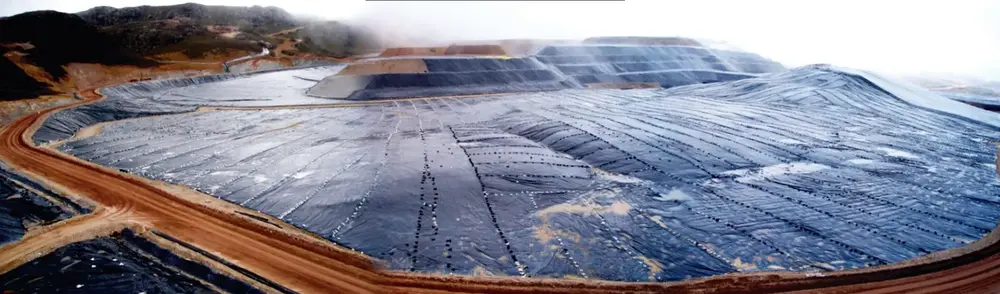
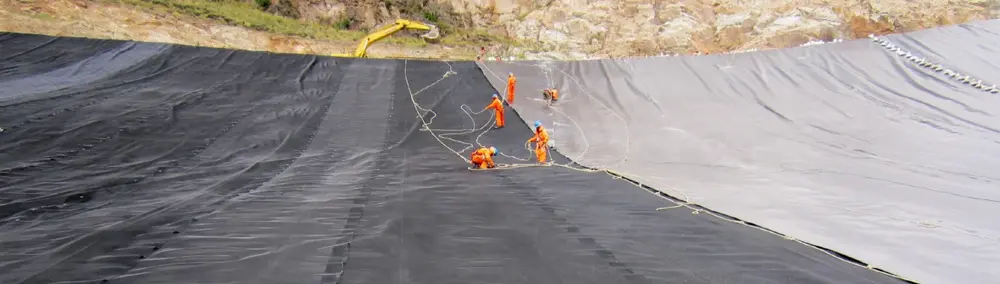
The waterproofing of the Lagunas Norte heap leach pad platform has completed its Phase 2, a project in which TDM...
View case