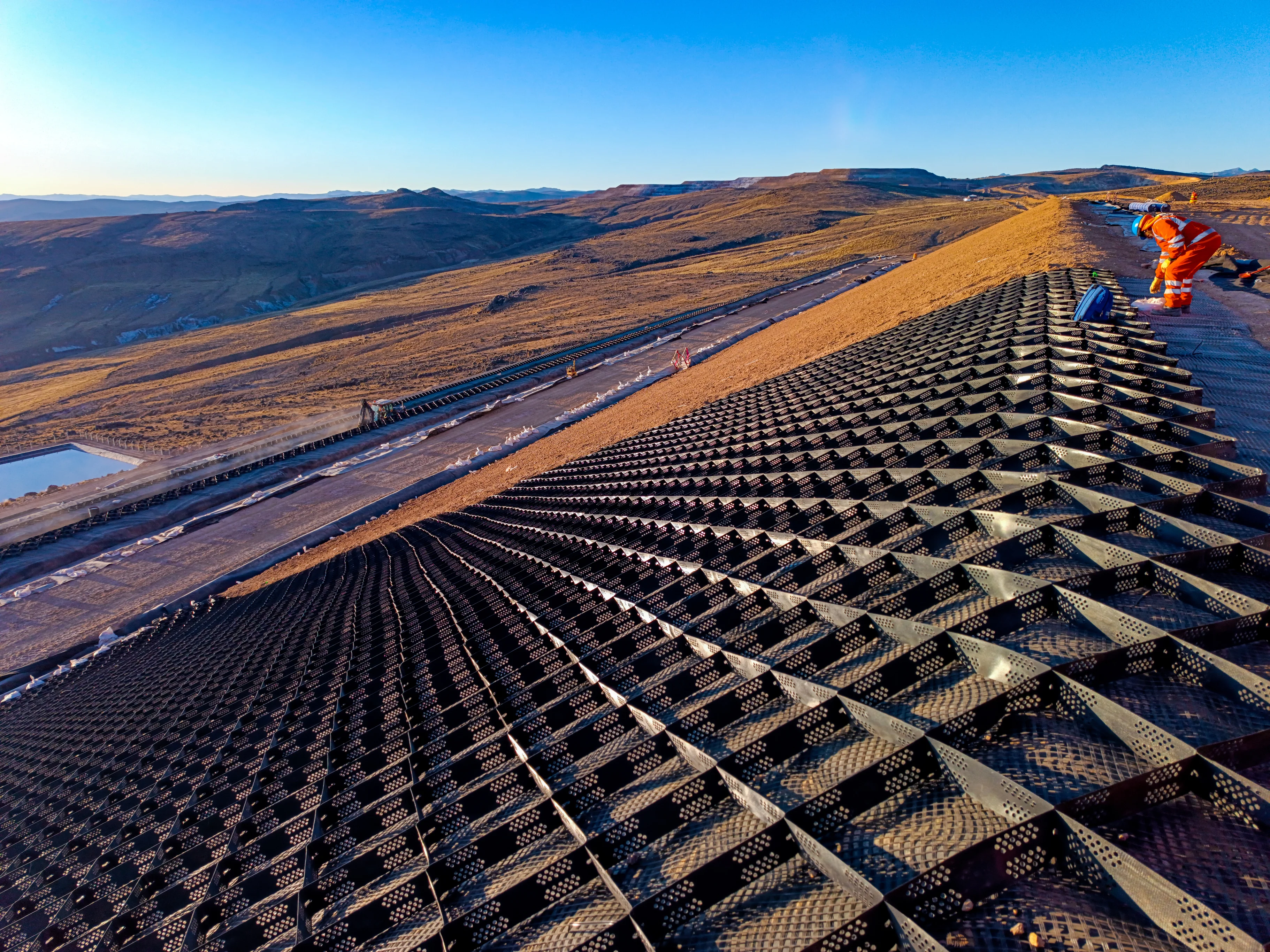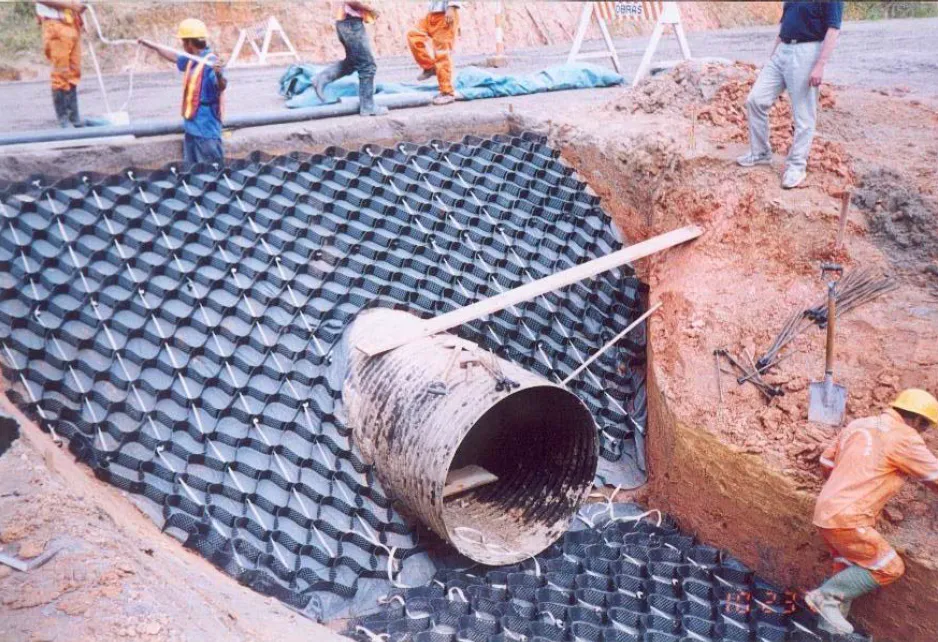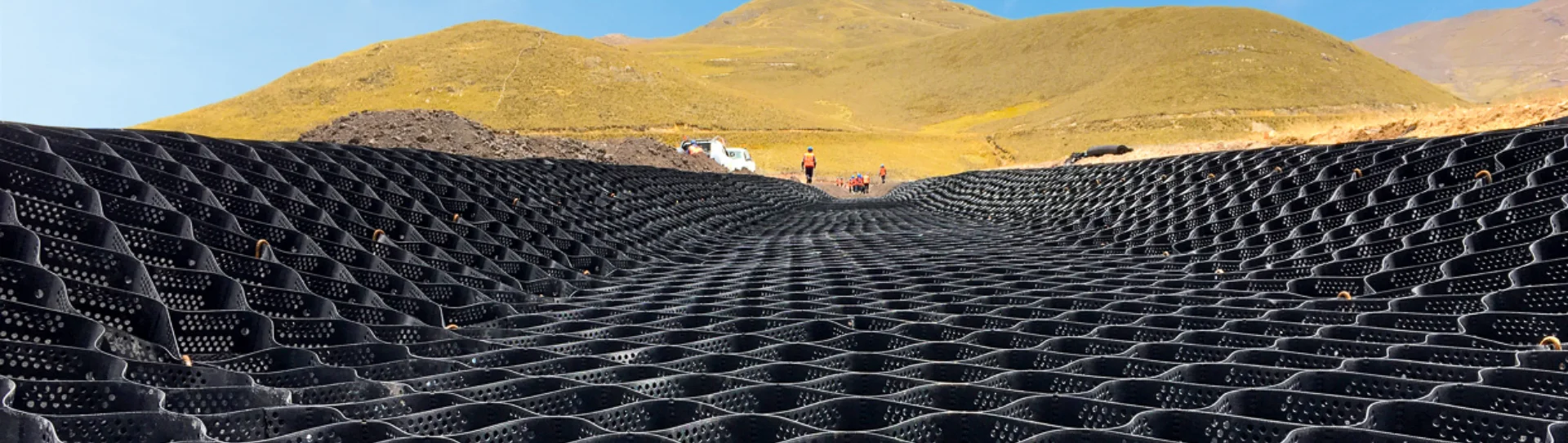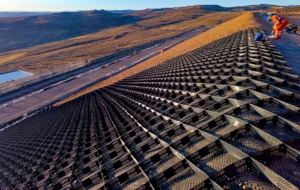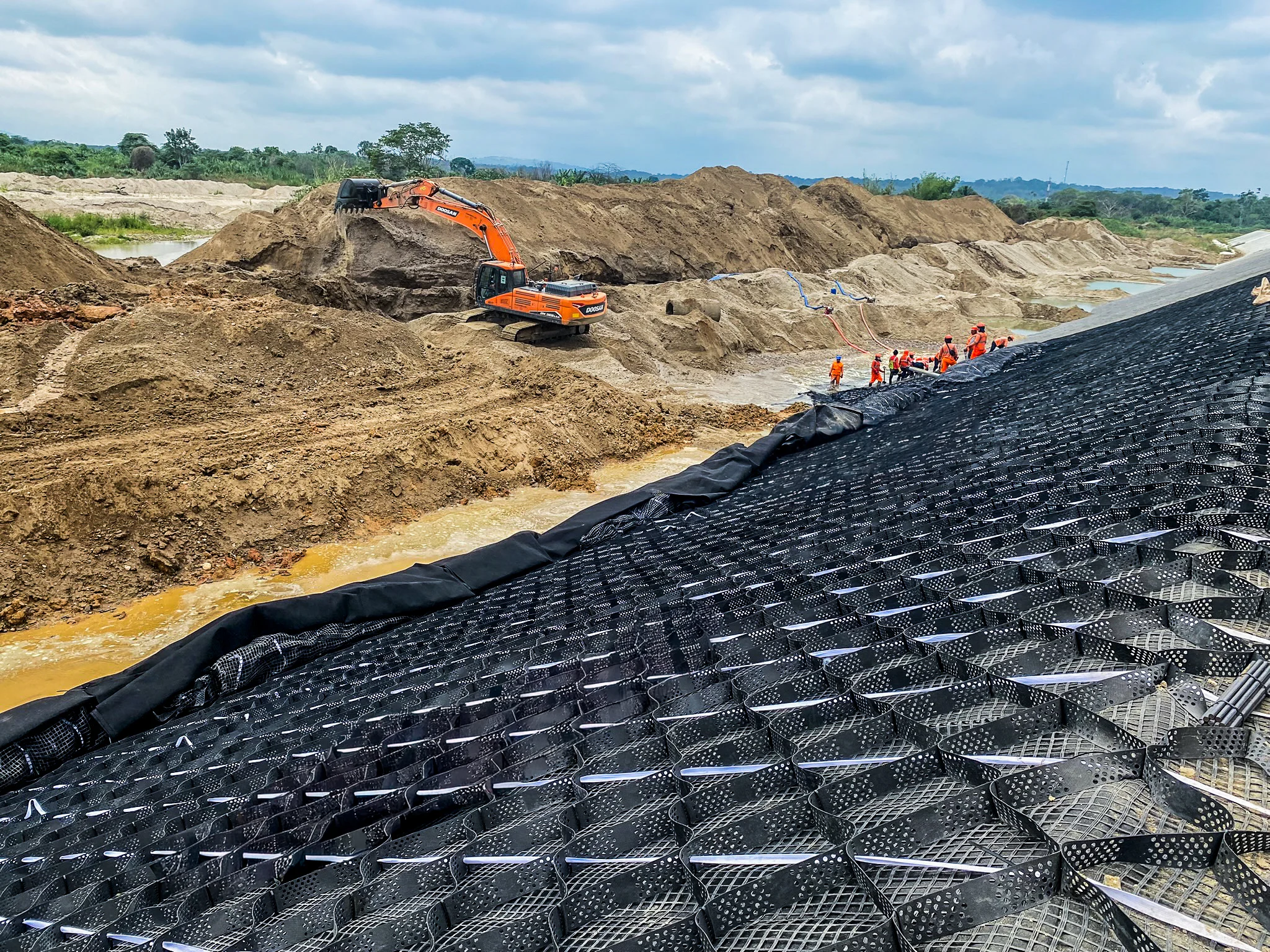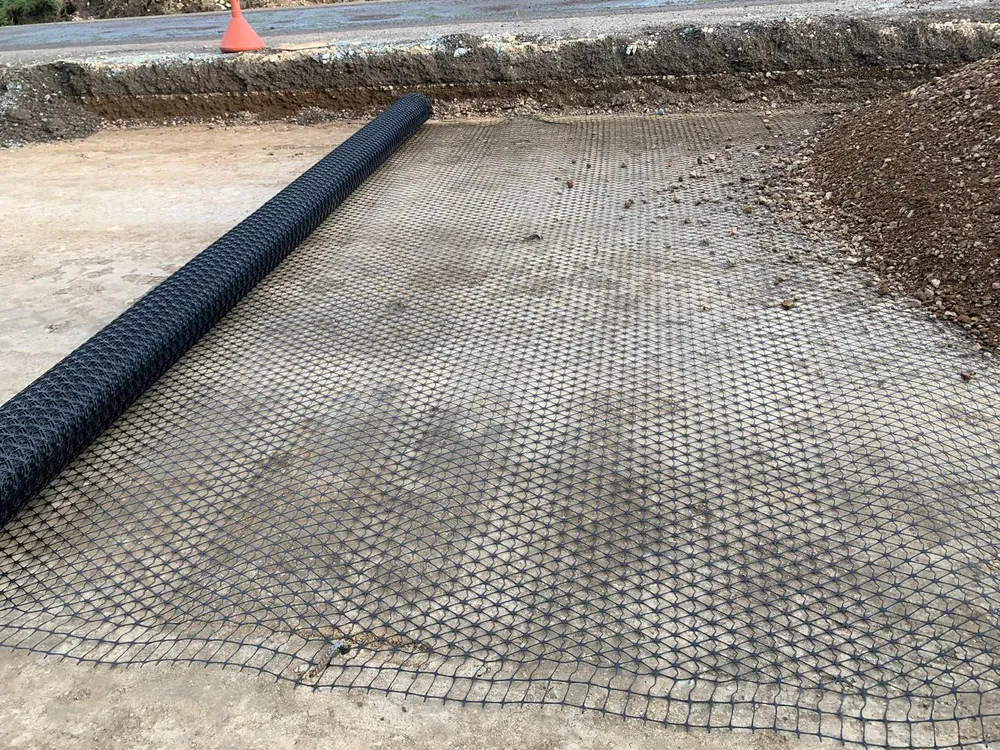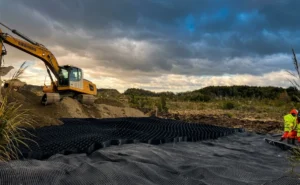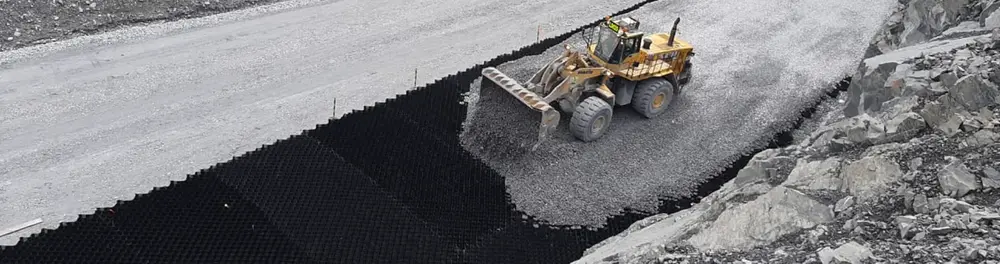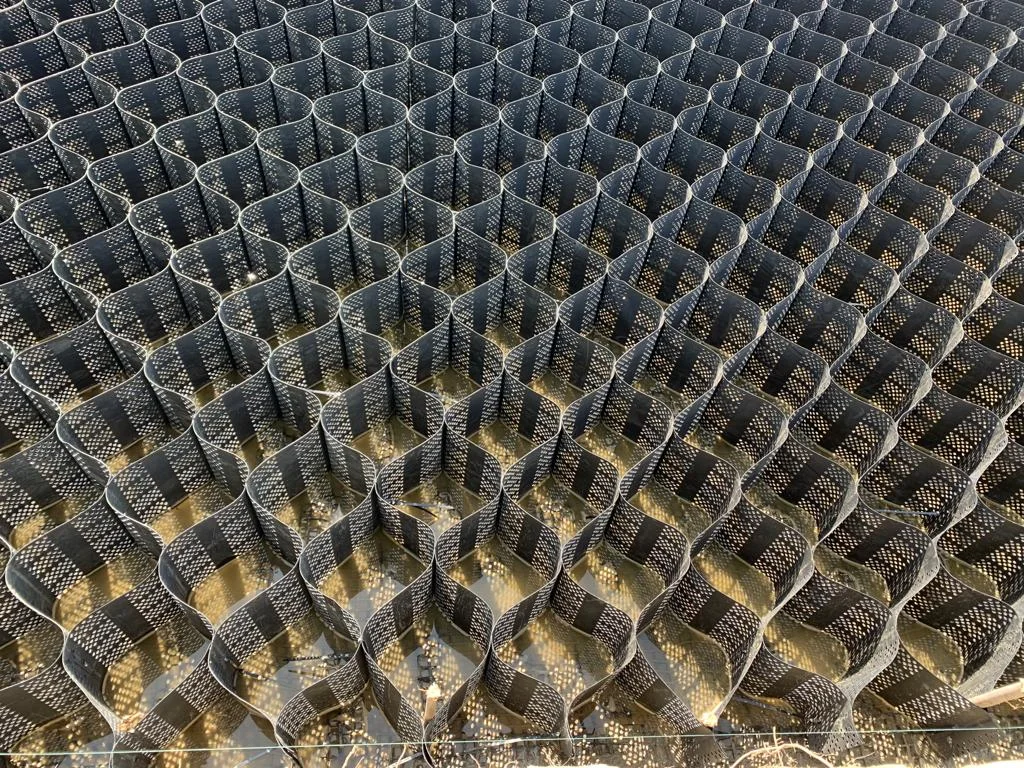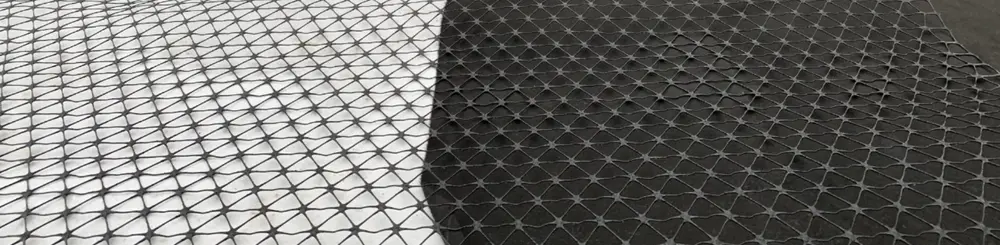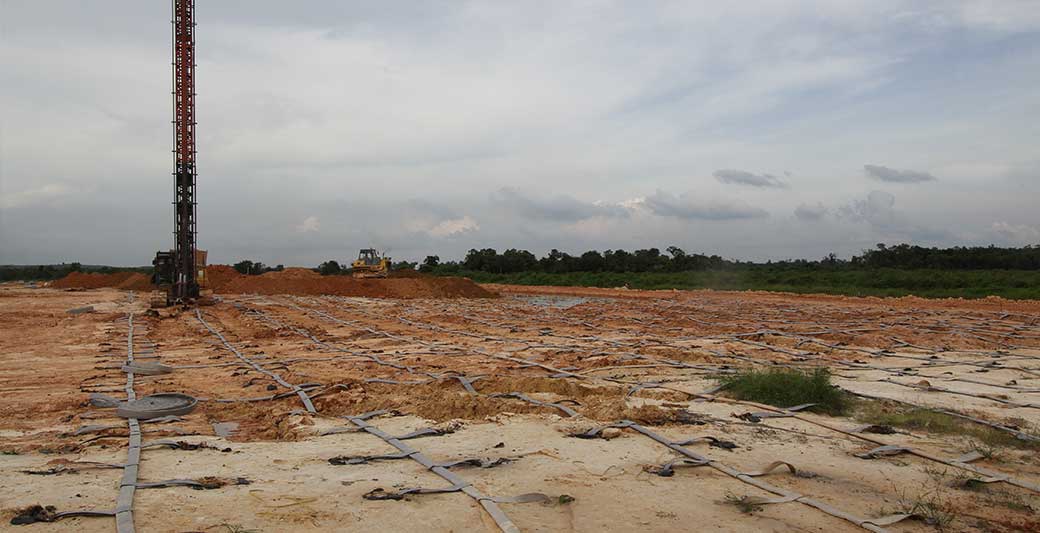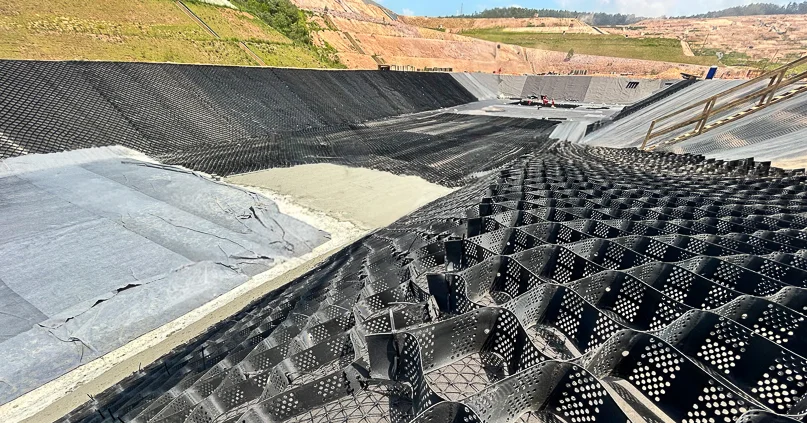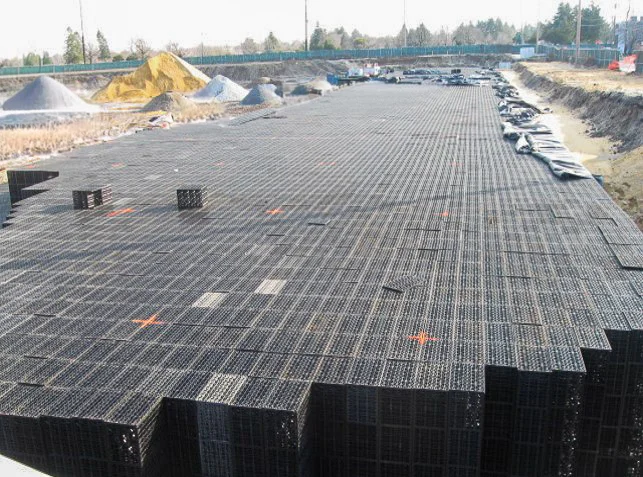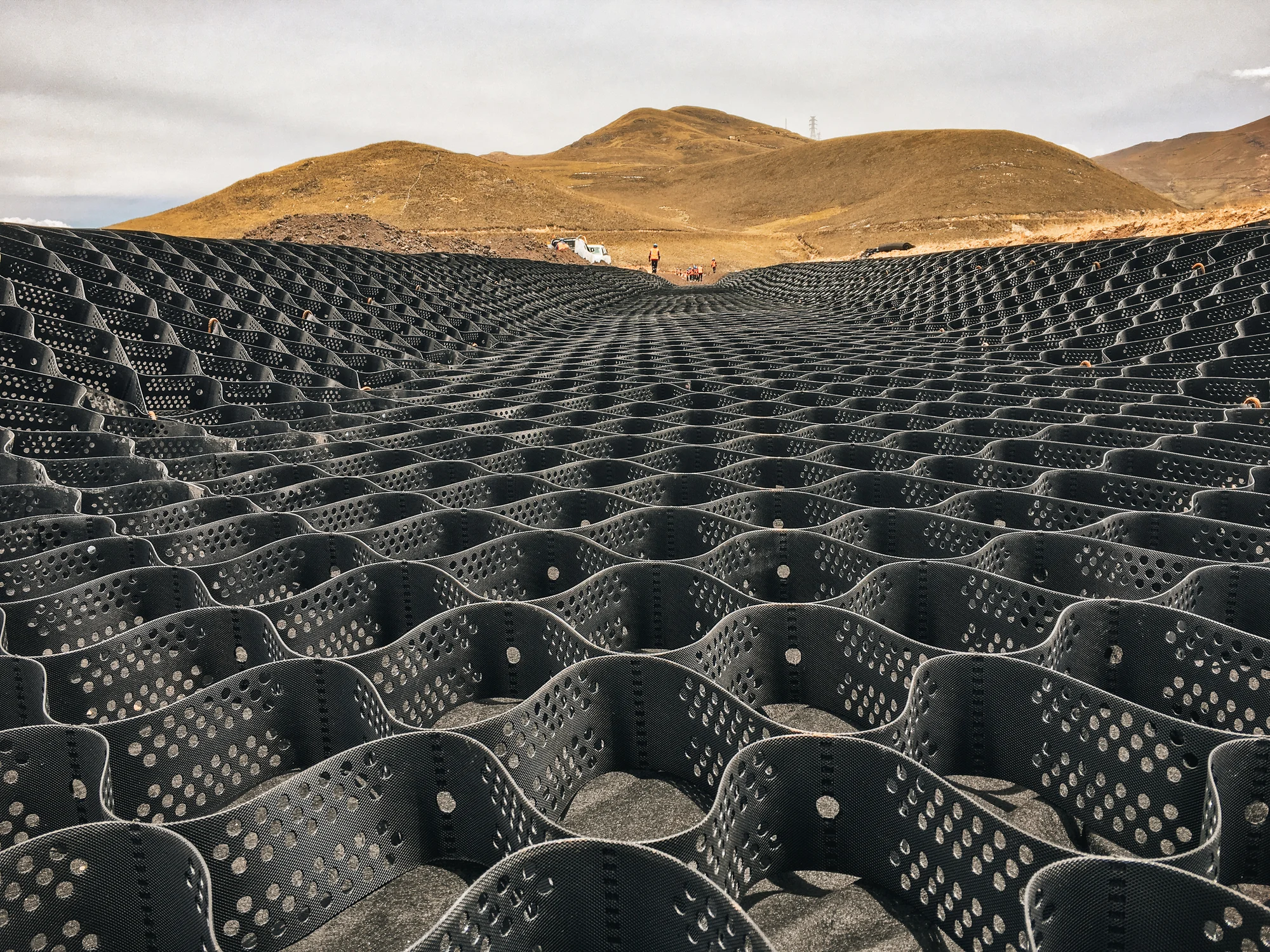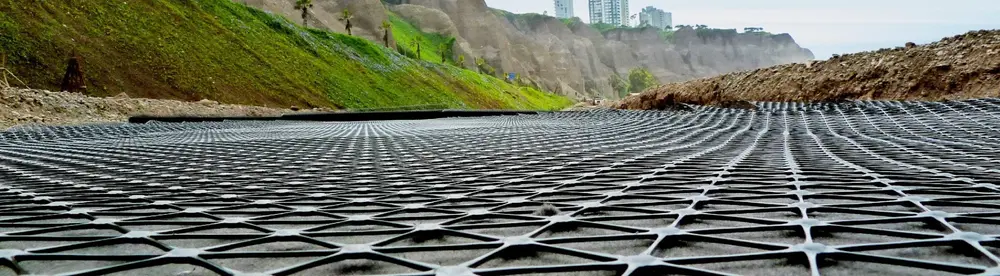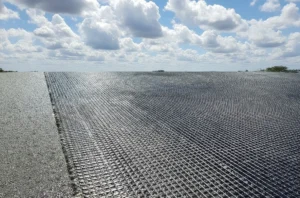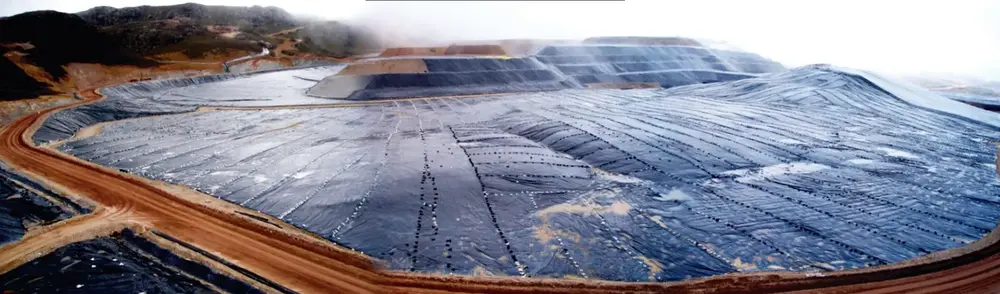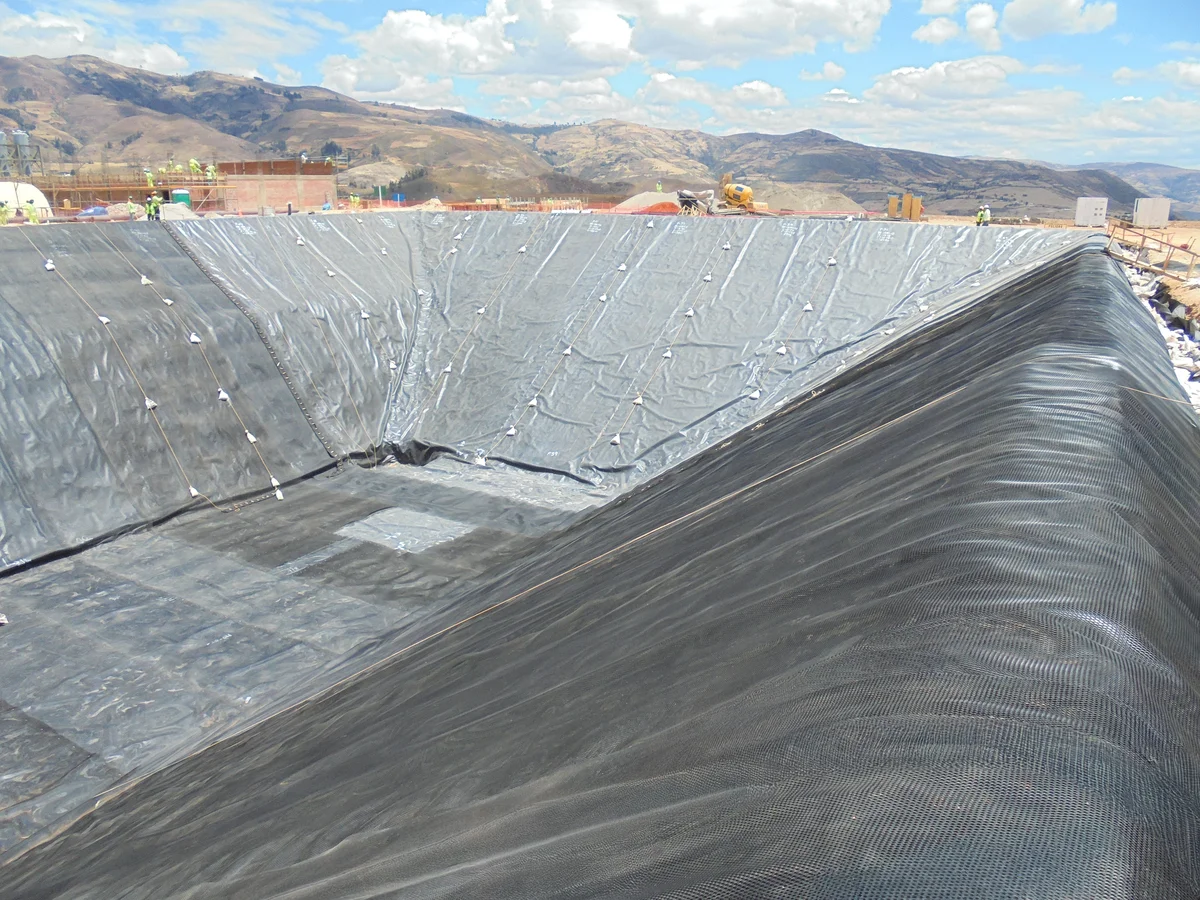
Drainage boxes and cells are key components in underground systems that capture, retain, and conduct groundwater, preventing its accumulation and the problems it can cause.
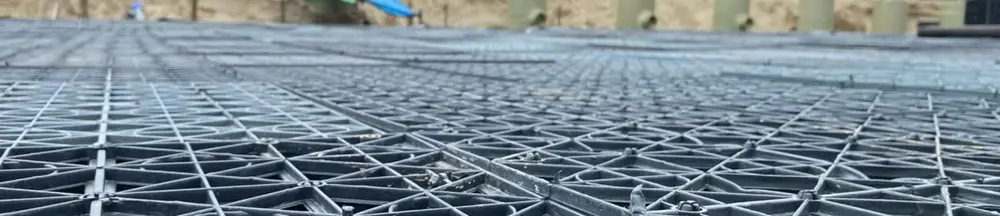
Unlike conventional drains (such as French gravel drains and perforated pipes), they have a void area of up to 97%, which significantly improves water management efficiency.
Advantages / Benefits
Efficient water capture and reuse: Allows rainwater to be stored for later use in sustainable water management systems.
Improved landscape: Contributes to the visual integration of the project by enhancing the aesthetics of the intervened area.
Versatile and easy-to-implement design: Its simple and flexible structure allows for rapid installation, adaptable to various environments.
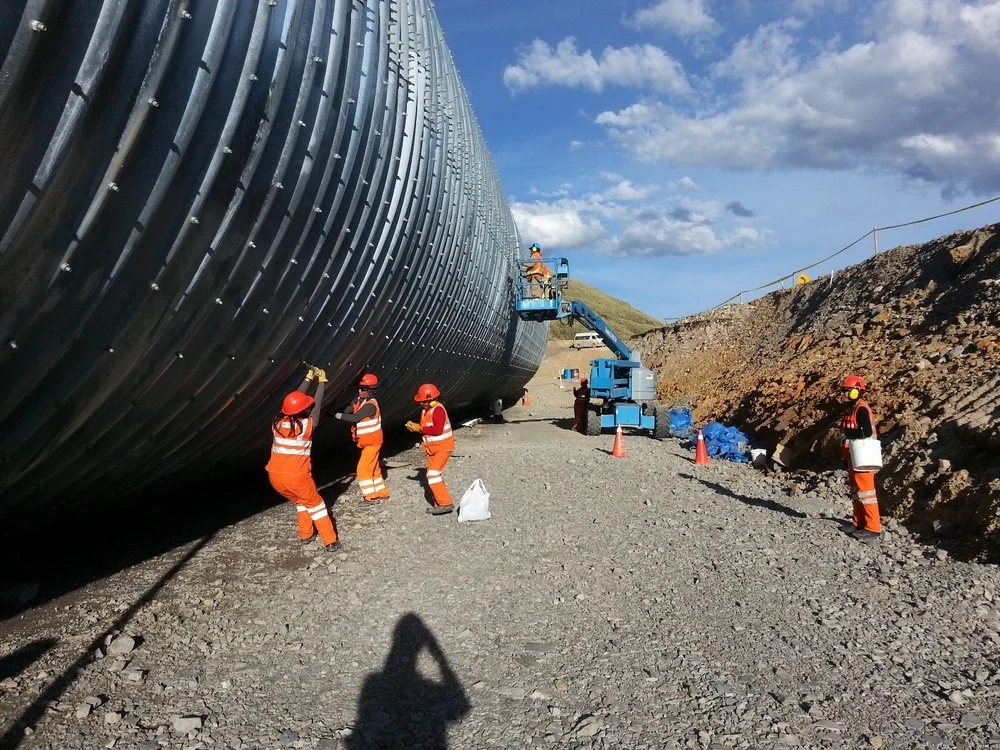
High resistance with modular solutions: The lightweight, modular units are designed to withstand high loads, including heavy vehicular traffic.
Affordable solution: Represents an economical alternative compared to conventional drains.
Reduced earthworks: Requires less excavation volume, which speeds up construction times and reduces operating costs.
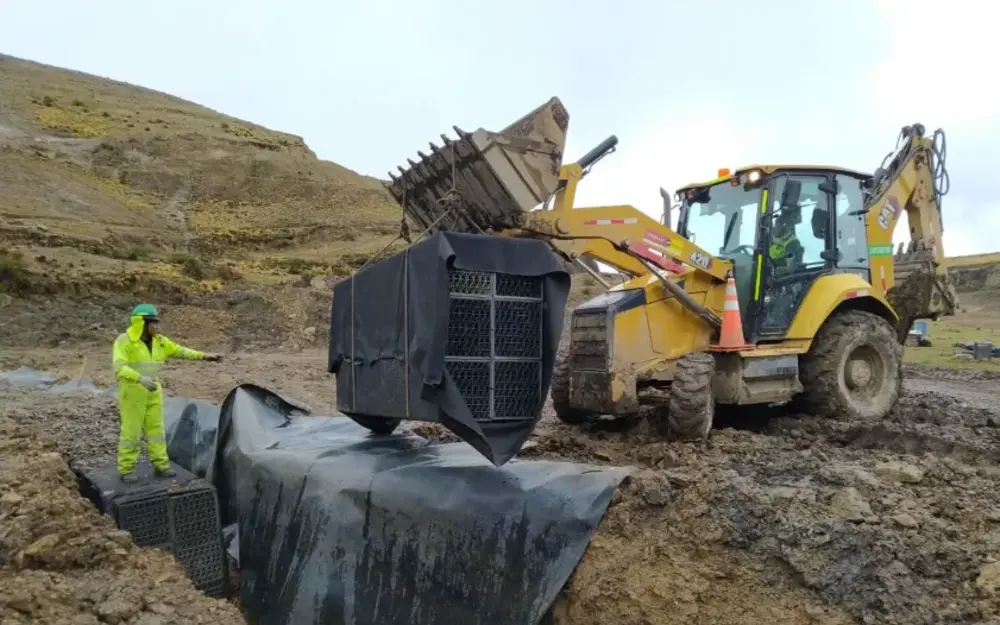
Optimized installation with lightweight equipment: Allows work with light machinery, facilitating assembly even in restricted access areas.
Lower environmental impact: Manufactured with 100% recycled polypropylene, which contributes to reducing the project’s environmental footprint.
Applications
Rainwater detection and retention
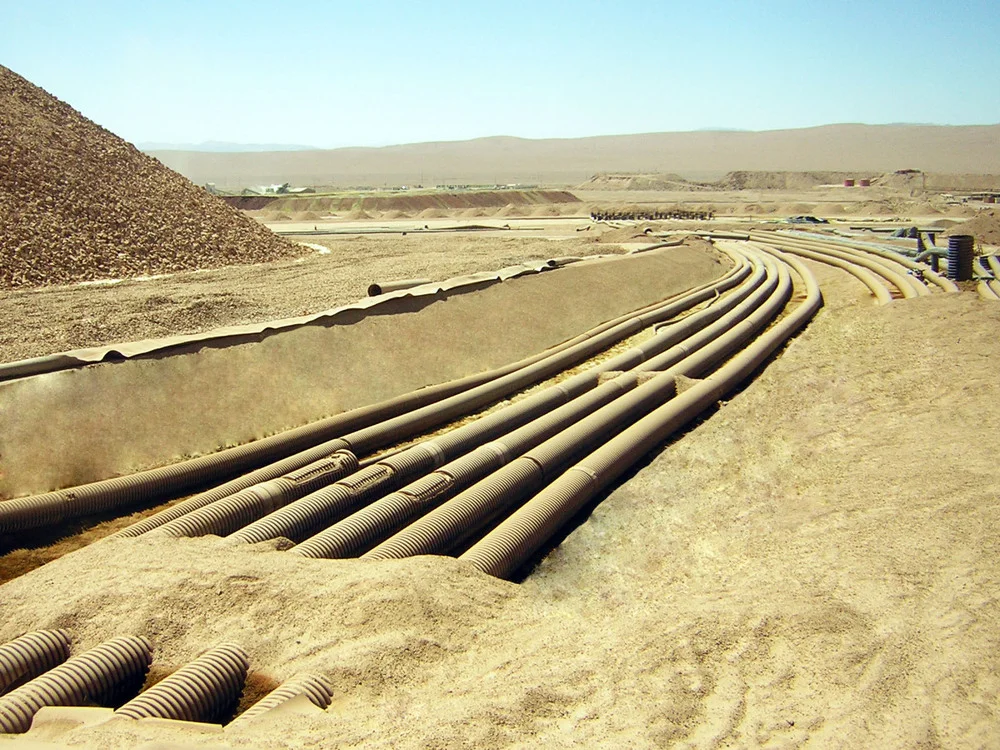
Transverse and longitudinal drainage
Application sectors
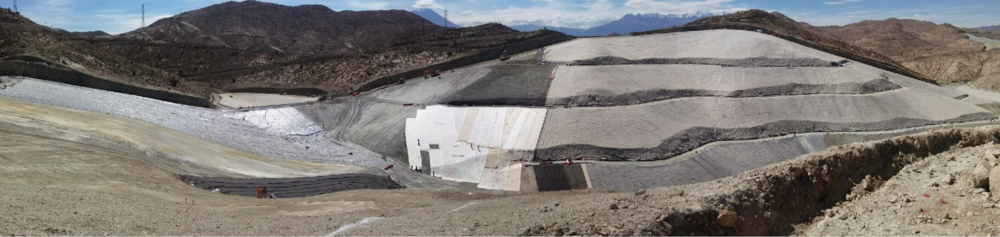
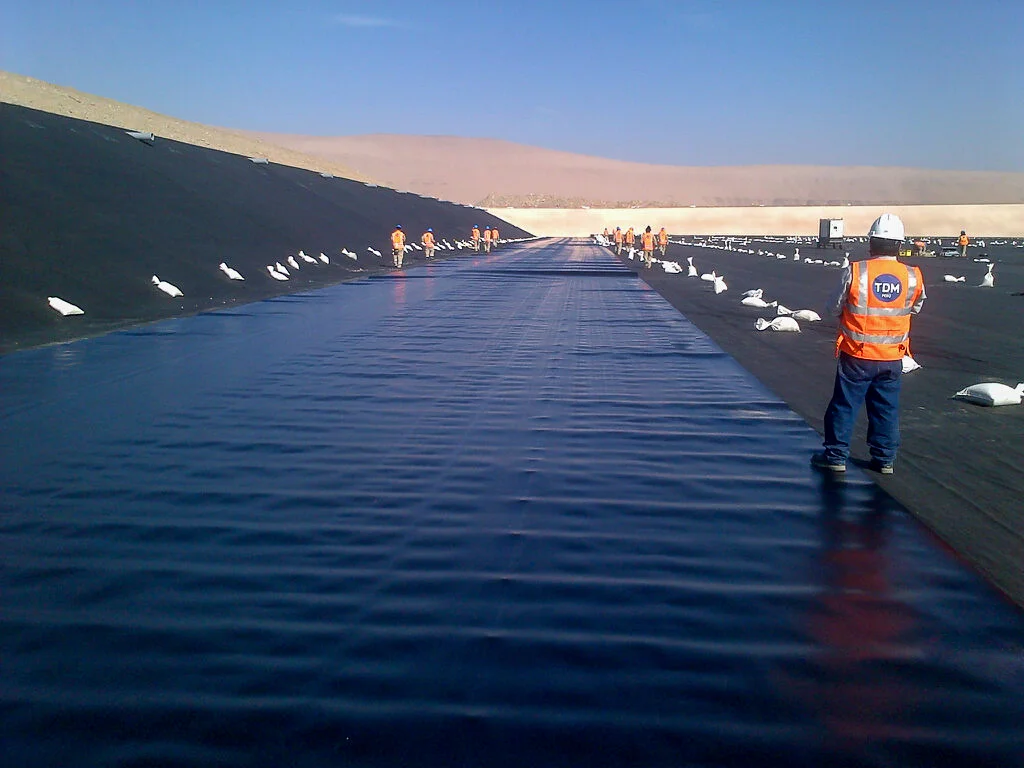
Mining
Roads
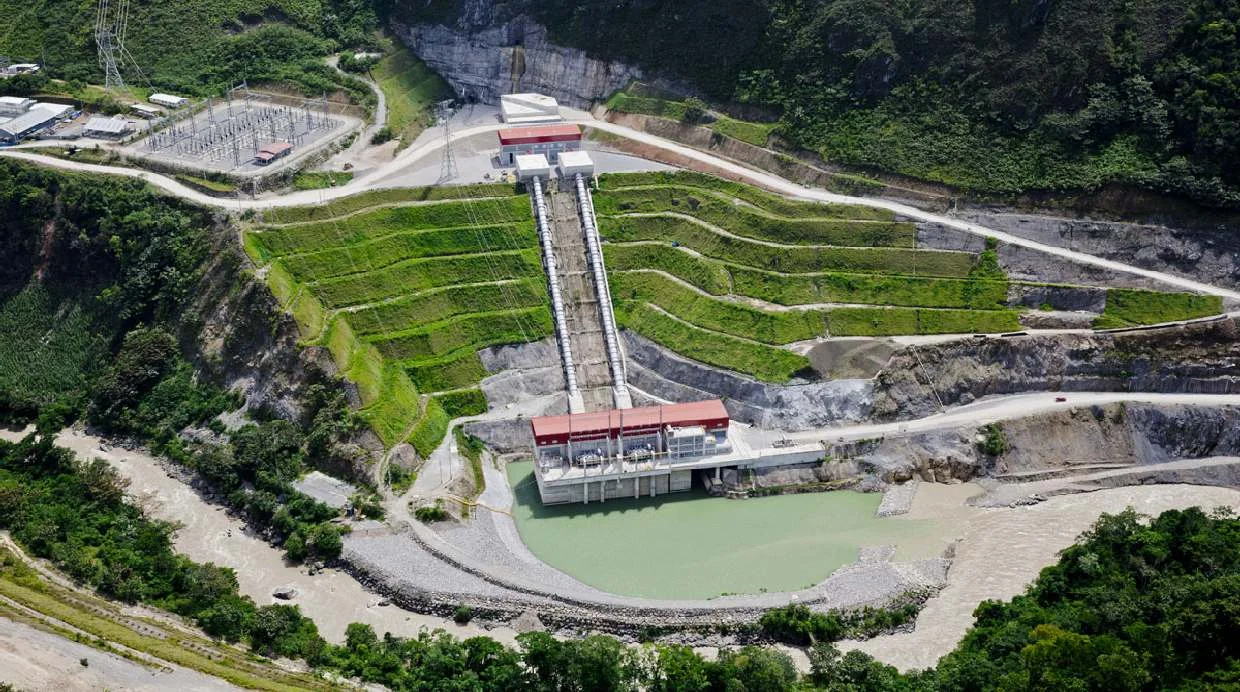
Energy
Hydrocarbons
Agriculture
Urban Development
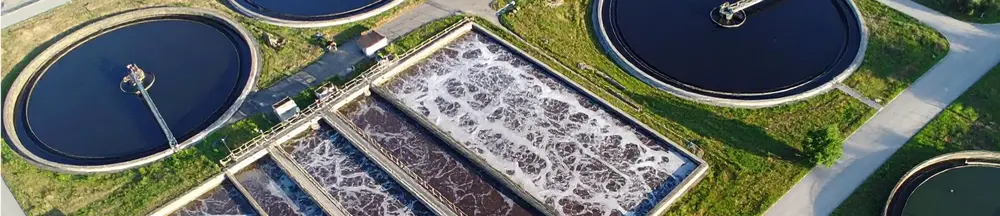
Sanitation
Mining
Roads
Energy
Hydrocarbons
Agriculture
Urban Development
Sanitation
Mining
Roads
Energy
Hydrocarbons
Agriculture
Urban Development
Sanitation
Some projects completed
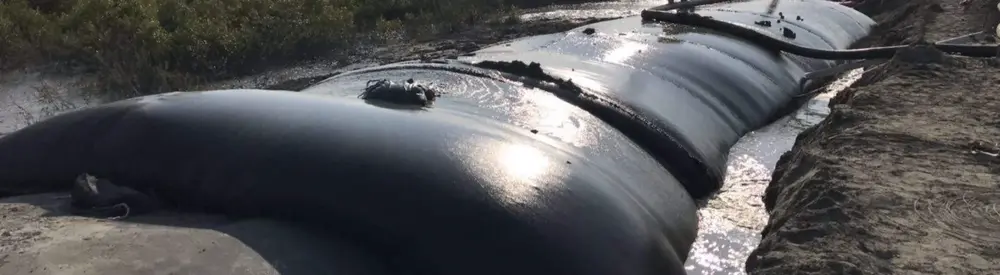
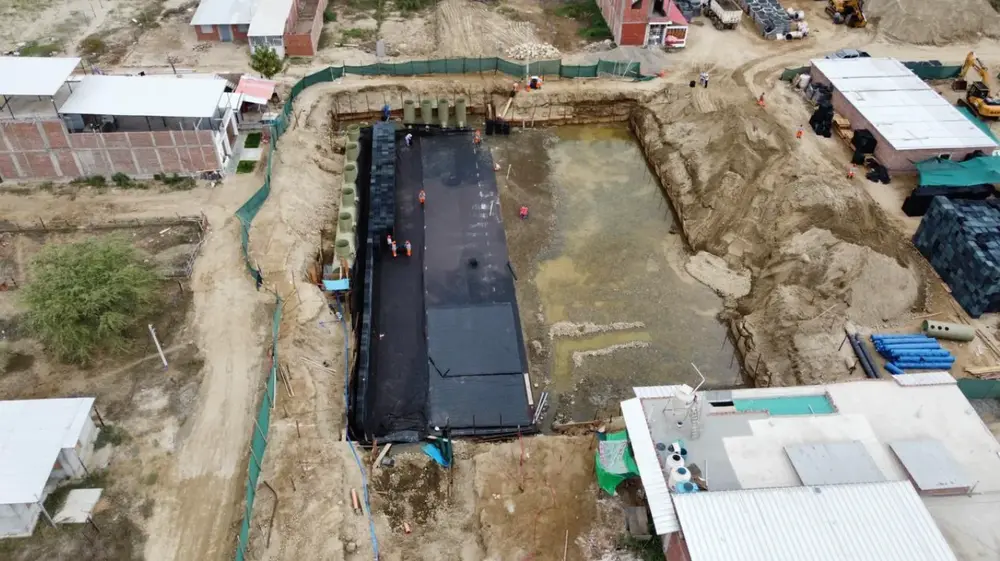
Blind basins, Piura, Peru.
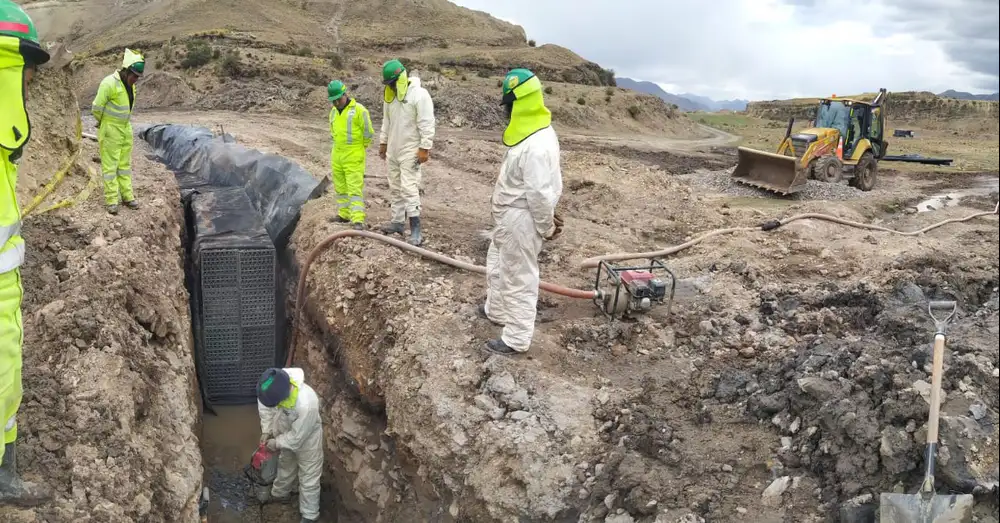
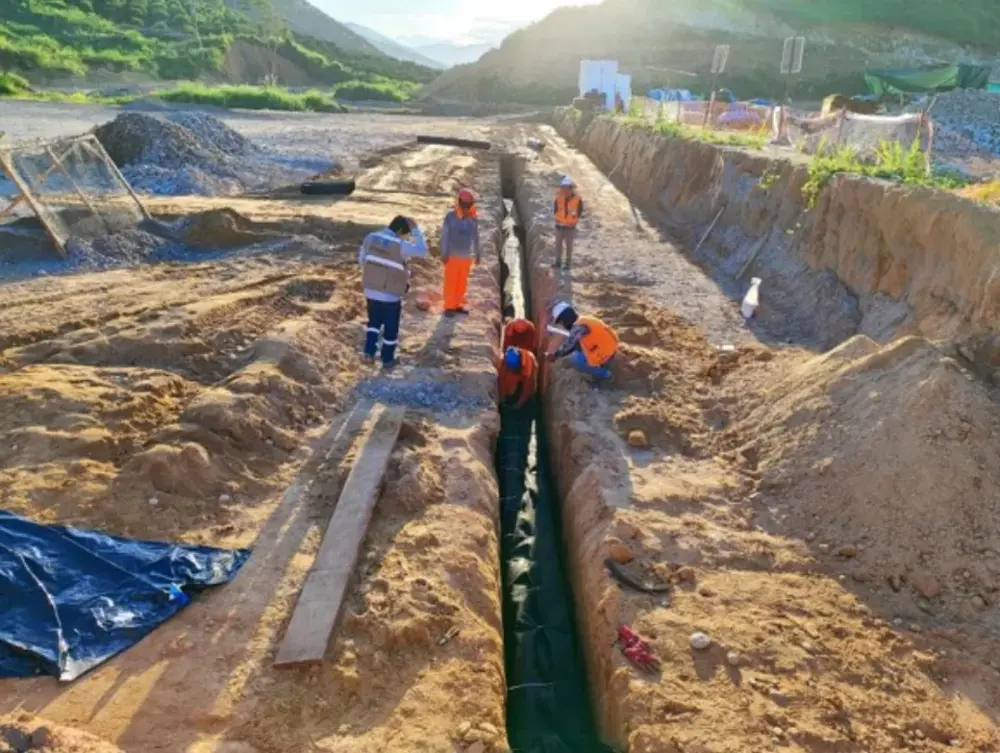
Sub-drainage, Juan Santos Atahualpa Intercultural University.
Blind basins, Piura, Peru.
Sub-drainage, Juan Santos Atahualpa Intercultural University.
Blind basins, Piura, Peru.
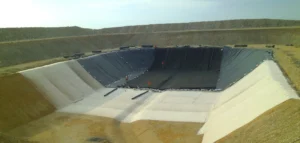
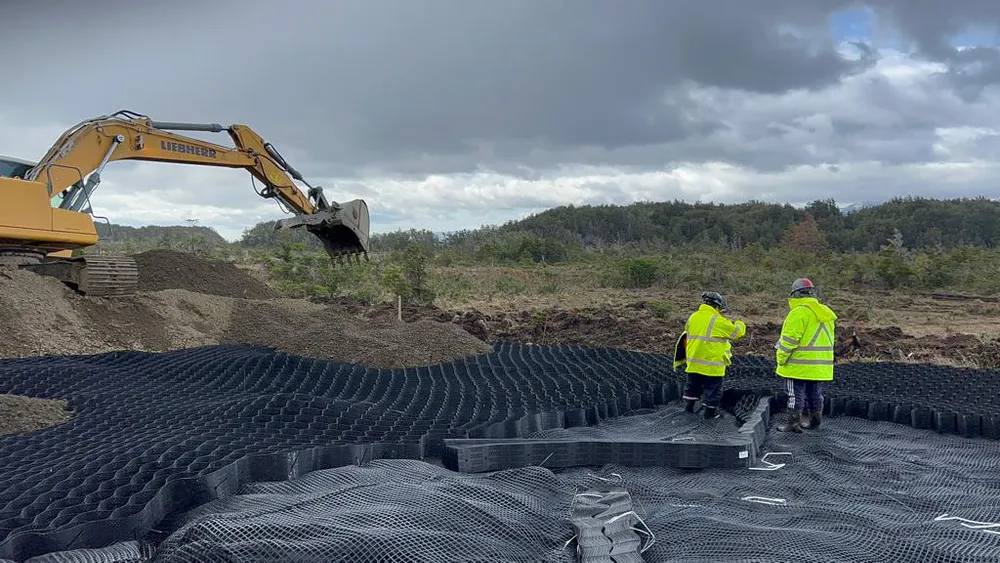
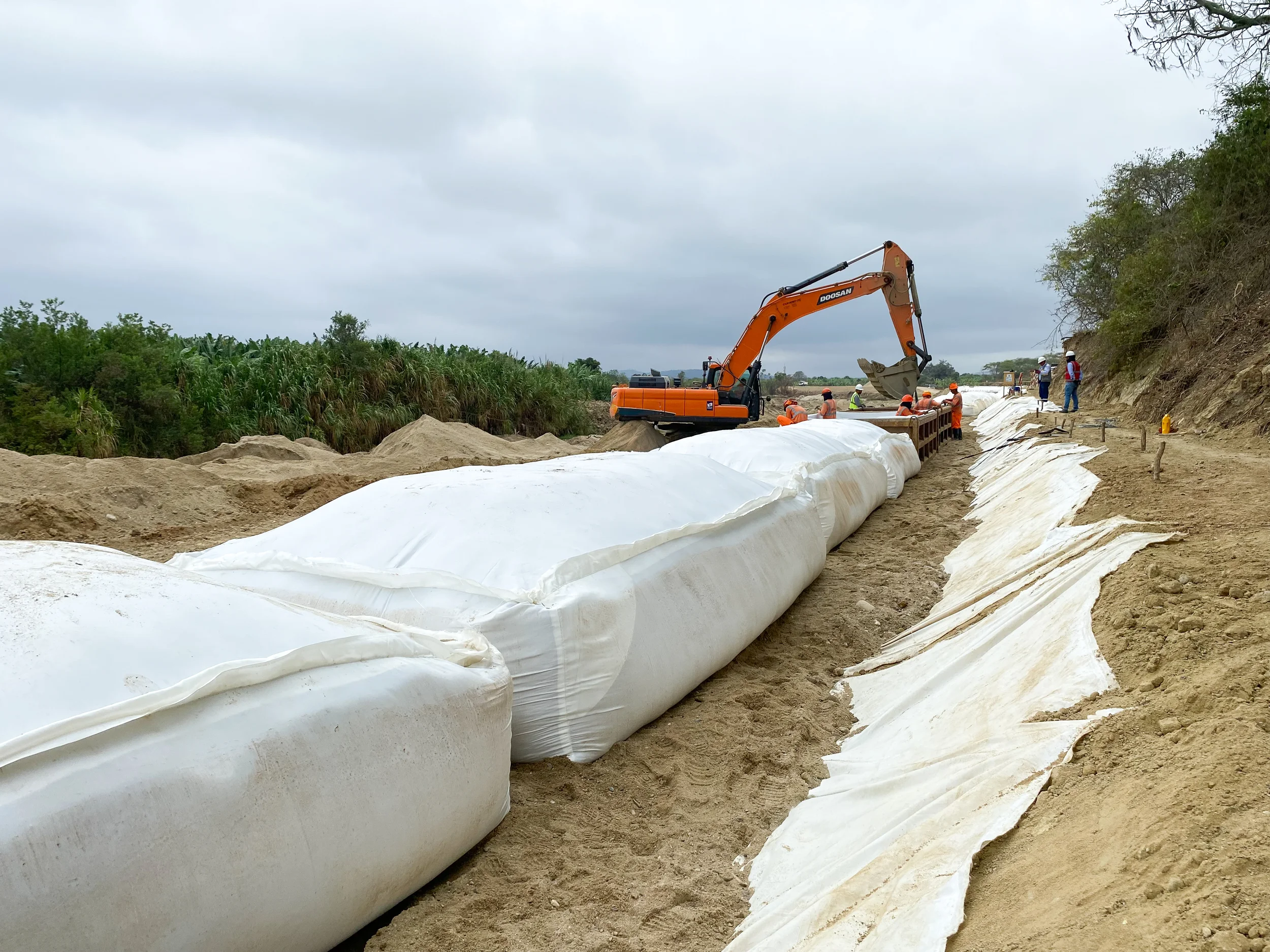
In urban areas of Piura with high vulnerability to pluvial flooding, a storage system with a regulating capacity of between 1,200 and 3,000 m³ was implemented, designed to mitigate the risk of flooding during intense rainfall events.
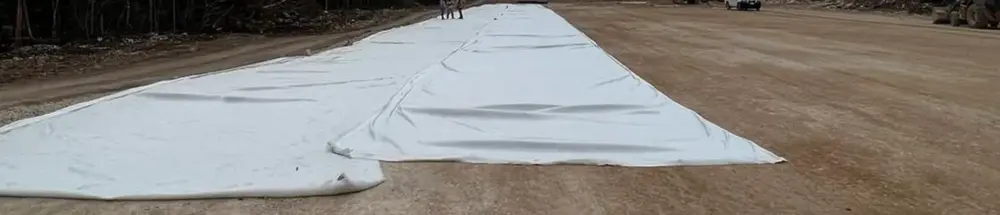
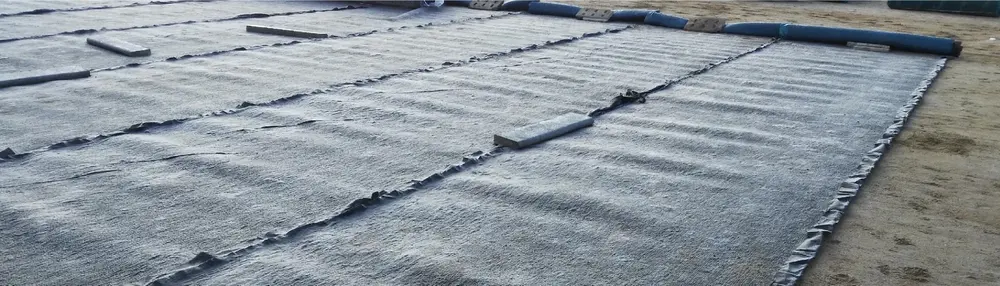
As part of the system, drainage boxes encapsulated with 400 g/m² geotextile, 1.5 mm HDPE geomembrane, and a second layer of geotextile of the same weight were installed, providing protection and waterproofing. In addition, prefabricated GRP settling tanks and pumping chambers were incorporated, optimizing system operation and facilitating on-site connections with greater technical and construction efficiency.
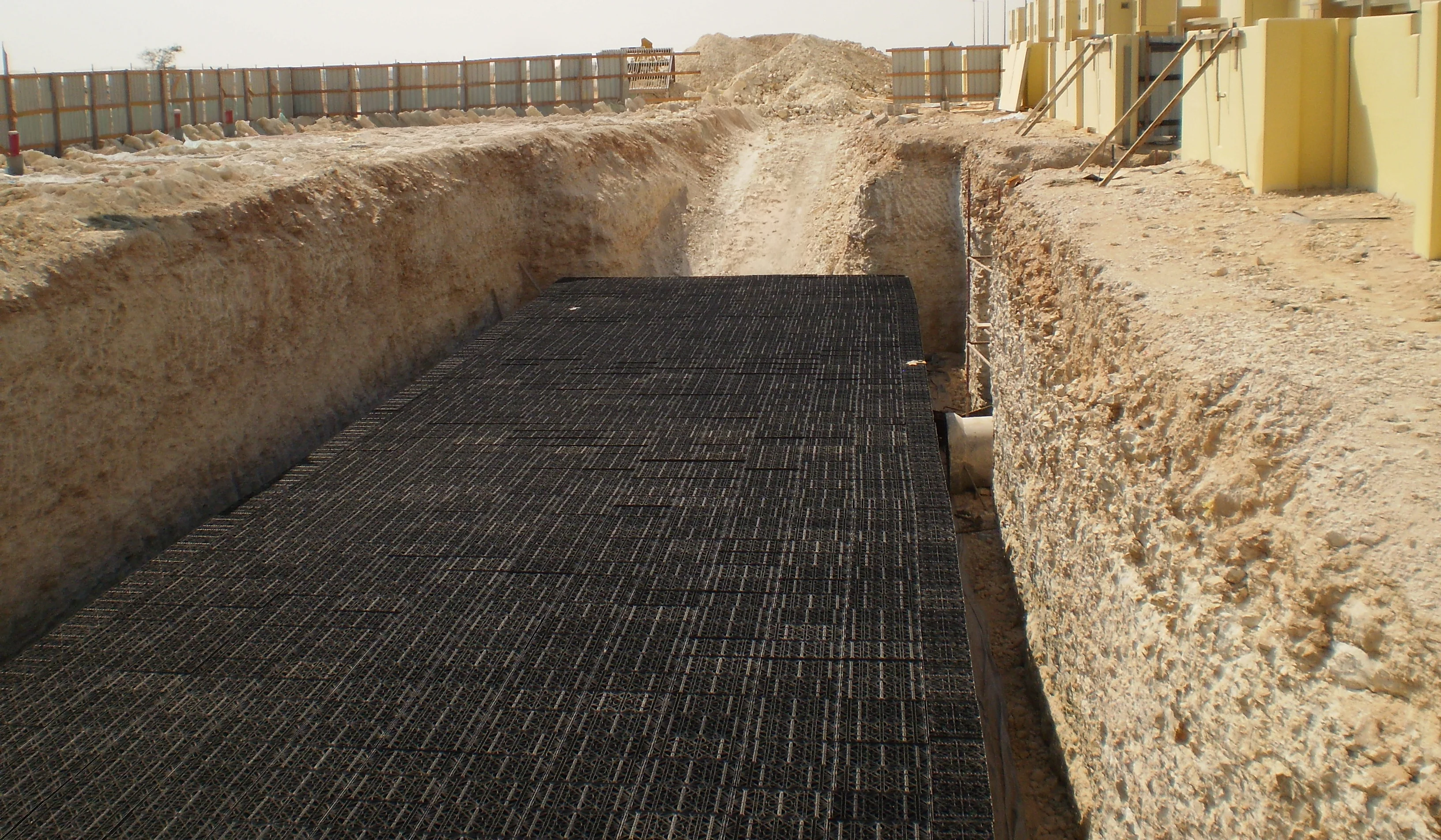
Sub-drainage, Juan Santos Atahualpa Intercultural University.
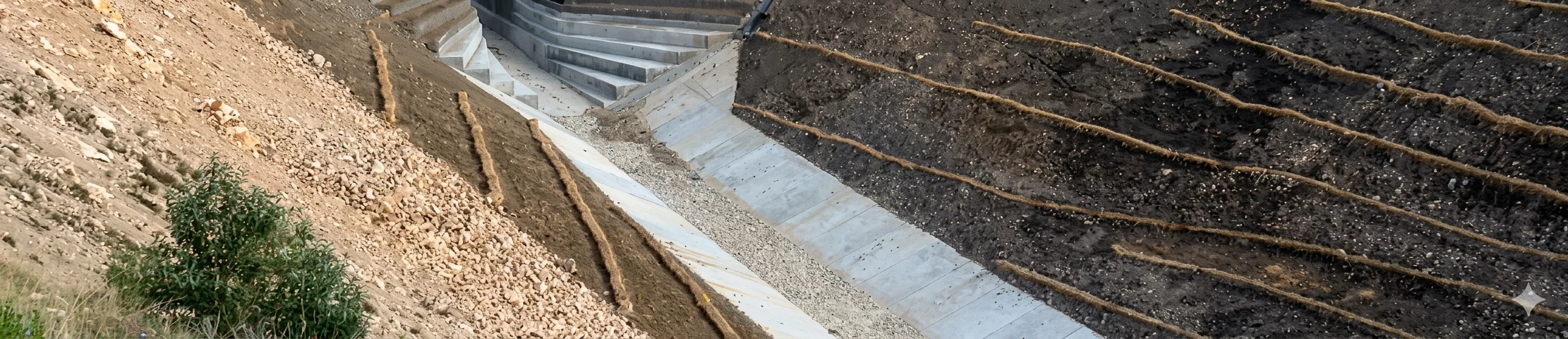
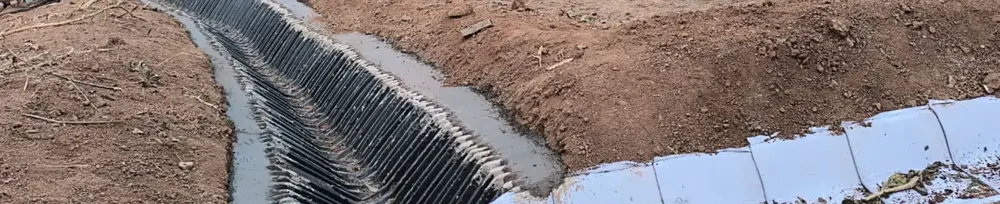
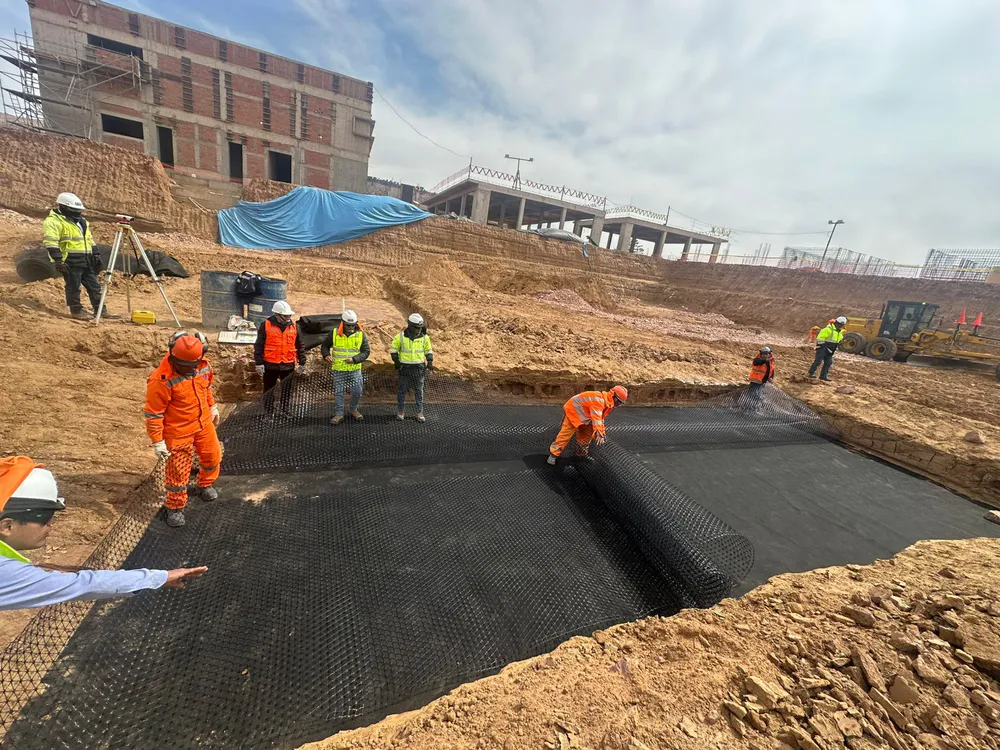
In 2023, the sub-drainage system for the Juan Santos Atahualpa Intercultural University was implemented, replacing traditional French drains with a more efficient solution. Eight hundred linear meters of drainage boxes were installed, optimizing the capture and conduction of infiltrated water in critical areas of the site.
The implemented system achieved a hydraulic handling capacity of 200 cubic meters, significantly improving the performance of the sub-drainage system. This solution not only increased water control efficiency but also reduced maintenance costs compared to conventional methods, providing greater sustainability to the system.
Blind basins, Piura, Peru.
In urban areas of Piura with high vulnerability to pluvial flooding, a storage system with a regulating capacity of between 1,200 and 3,000 m³ was implemented, designed to mitigate the risk of flooding during intense rainfall events.
As part of the system, drainage boxes encapsulated with 400 g/m² geotextile, 1.5 mm HDPE geomembrane, and a second layer of geotextile of the same weight were installed, providing protection and waterproofing. In addition, prefabricated GRP settling tanks and pumping chambers were incorporated, optimizing system operation and facilitating on-site connections with greater technical and construction efficiency.
Sub-drainage, Juan Santos Atahualpa Intercultural University.
In 2023, the sub-drainage system for the Juan Santos Atahualpa Intercultural University was implemented, replacing traditional French drains with a more efficient solution. Eight hundred linear meters of drainage boxes were installed, optimizing the capture and conduction of infiltrated water in critical areas of the site.
The implemented system achieved a hydraulic handling capacity of 200 cubic meters, significantly improving the performance of the sub-drainage system. This solution not only increased water control efficiency but also reduced maintenance costs compared to conventional methods, providing greater sustainability to the system.
Need advice?
Our team of experts is ready to advise you and help you find the best option for your project.
Success stories
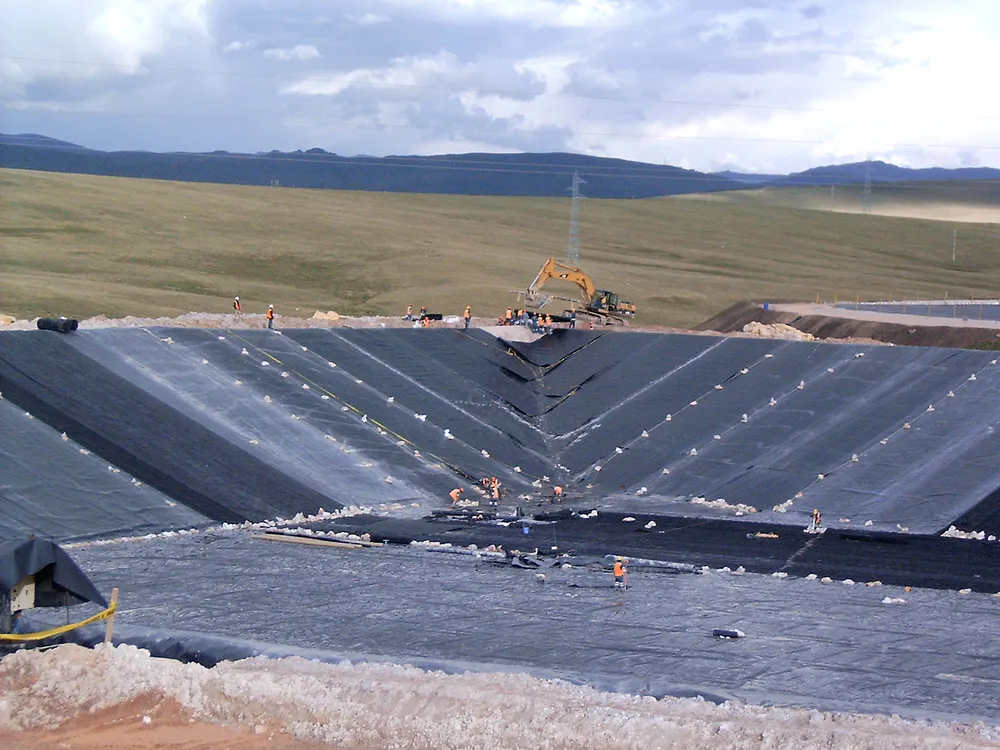
Leaching pads – Geomembranes – La Libertad, Peru.
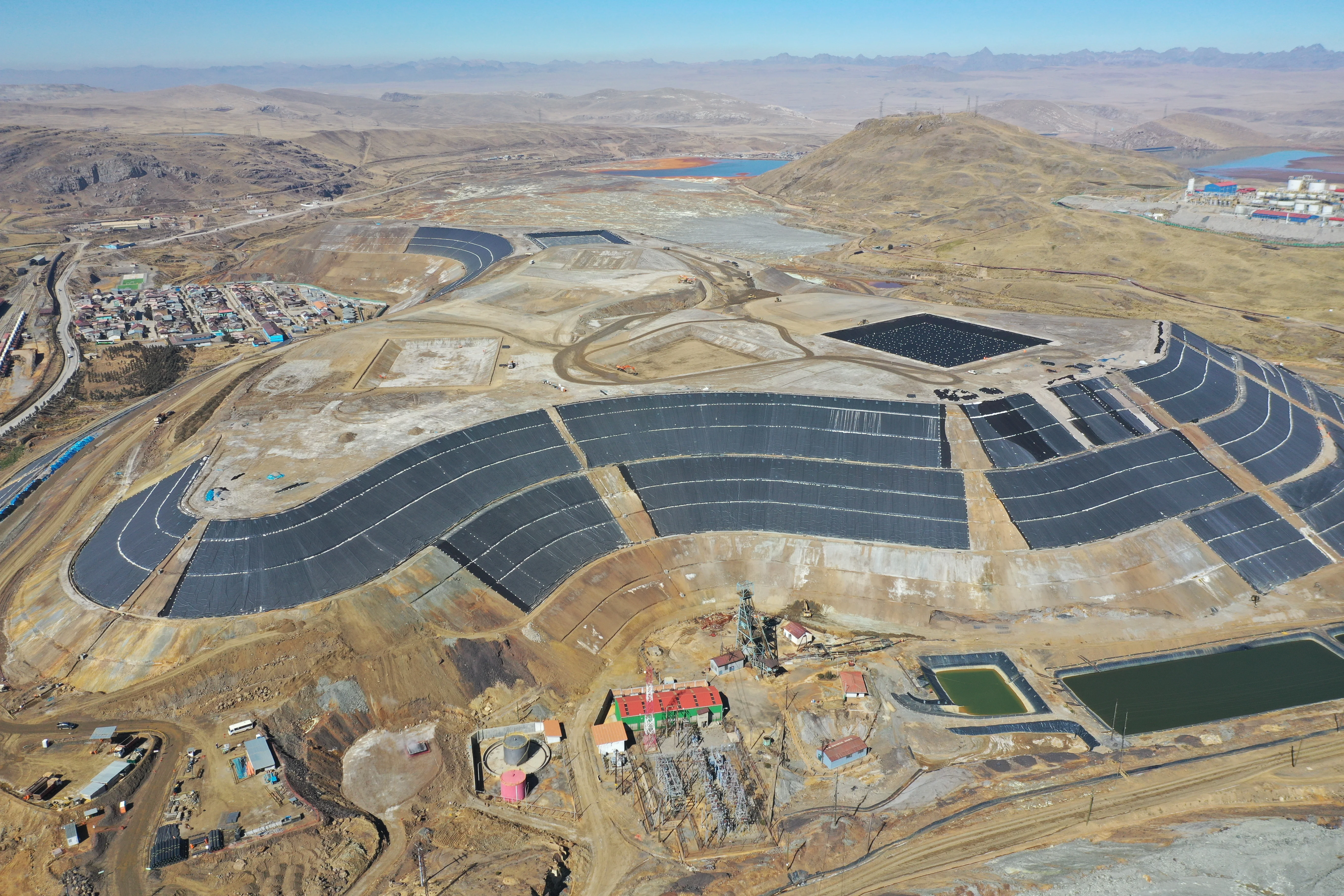
The waterproofing of the Lagunas Norte leach pad has completed Phase 2, a project TDM has been carrying out since Phase 0. The total ore volume at the end of...
We were at Arminera, one of the most important events in the Argentine mining sector, presenting our engineering solutions with geosynthetics, applied to the main challenges of mining projects. We...
The waterproofing of the Lagunas Norte leach pad has completed Phase 2, a project TDM has been carrying out since Phase 0. The total ore volume at the end of...
We were at Arminera, one of the most important events in the Argentine mining sector, presenting our engineering solutions with geosynthetics, applied to the main challenges of mining projects. We...